
Choosing the right flooring for educational buildings is an important decision that affects comfort, safety, durability and overall cost. Schools, colleges and other learning spaces face constant foot traffic, regular cleaning and long term use every day. Many traditional flooring options including tile or wood struggle to meet these demands over time. For this reason many educational institutions now prefer heterogeneous vinyl sheet flooring as a reliable and practical solution.
Heterogeneous vinyl flooring is a specially engineered type of flooring that combines several layers of materials to create a surface that is strong, easy to maintain and visually appealing. Its design makes it ideal for spaces where students, teachers and staff walk, sit and work every day. Unlike other flooring types that may crack, stain or wear quickly, this flooring remains functional and attractive for years while making it a popular choice in schools.
In this blog, we will explore why schools and educational buildings prefer heterogeneous flooring. We will also cover its key benefits and explain why it has become a reliable flooring choice for modern educational spaces.
Heterogeneous vinyl sheet flooring is a multi-layer product that blends different materials to create a strong and versatile floor surface. The base layer provides stability, while above it a printed design layer adds color and texture. The top layer usually has a protective wear layer that resists scratches, stains and heavy traffic.
This design makes the flooring both functional and attractive. The printed pattern may resemble wood, stone or abstract designs that complement different school interiors. Since the design is part of the material, it does not fade easily and remains vibrant for a long time. Another important benefit is the wear layer, which protects the surface from damage while making cleaning easier.
Heterogeneous flooring differs from homogeneous vinyl because it has multiple layers with specific functions. Homogeneous vinyl is uniform throughout while it can limit performance under heavy use. In contrast, the layered structure of heterogeneous vinyl improves durability and flexibility while making it ideal for busy school environments.

Schools see hundreds of students every day, especially in hallways, cafeterias and classrooms. Flooring must withstand constant foot traffic while staying free from wear and tear. Heterogeneous vinyl flooring is specifically designed to handle these conditions.
The wear layer on this flooring is strong and resilient. It resists scuffs, dents and scratches even when students move furniture or equipment regularly. Because of this durability, schools do not need to replace the flooring often. Over time, this saves money while keeping maintenance disruptions to a minimum.
In addition, this type of flooring maintains its structure without cracking or lifting. Even in areas with moisture or spills, the flooring stays stable. This reliability makes it a practical and long-lasting choice for any educational building.
One of the most important factors in schools is safety. Students of all ages run, walk quickly and move around without always paying attention to the ground. Flooring that becomes slippery when wet can cause accidents and injuries.
Heterogeneous flooring is designed with a slip-resistant surface. Its texture and material reduce the risk of slipping even in areas where water may be present, such as near sinks or entrances on rainy days. This helps keep students and staff safe every day.
In addition, the flooring supports secure footing. Its stable surface prevents shoes from getting stuck or catching, which is especially helpful for young children who are still developing balance and coordination.
Schools want their environments to be welcoming, engaging and visually appealing. Heterogeneous vinyl flooring comes in a wide range of colors, patterns and textures. It can mimic the look of wood, stone or school-friendly colors while offering the practical advantages of vinyl.
Design flexibility helps architects and school planners create spaces that feel modern and cheerful. While allowing bright colors for elementary classrooms or more subdued tones for libraries and labs, this flooring can match different design goals.
This versatility means the flooring contributes to a positive and engaging visual environment without sacrificing durability, performance or practical functionality for schools.
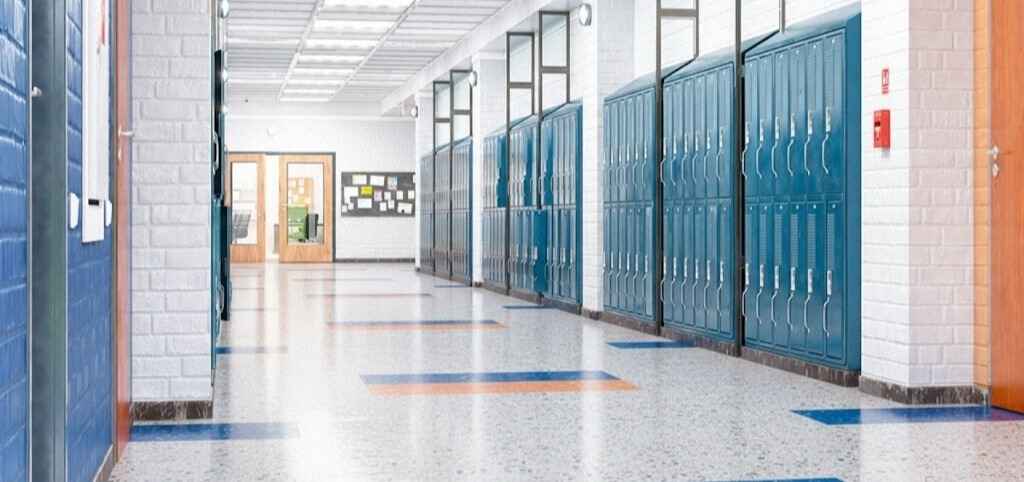
Maintaining a clean environment is essential in schools to prevent illness and create a welcoming space for learning. Traditional floors such as tile or wood often require special cleaning products and regular polishing.
Daily cleaning is simple with heterogeneous vinyl sheet flooring. Most schools only need a broom or mop with a mild cleaning solution. The surface does not trap dirt easily and resists stains from spills such as juice or ink. This allows custodial staff to clean quickly and efficiently without using harsh chemicals.
Because long and complicated cleaning routines are not needed, schools save time and money. Floors also last longer while staying undamaged by frequent heavy cleaning or strong cleaning agents.
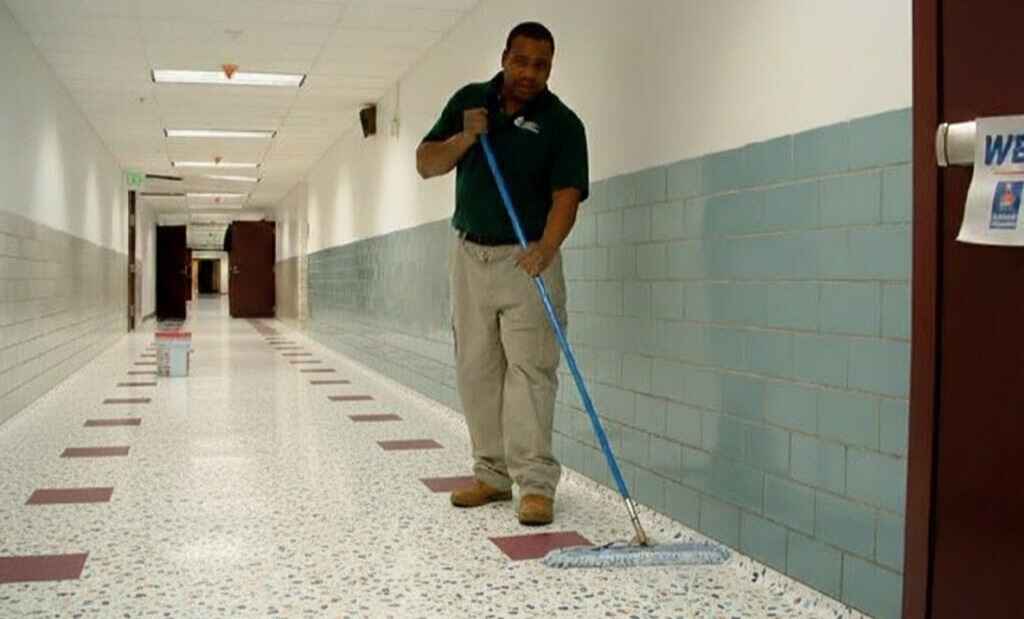
Accidental spills, juice, paint, ink and coffee are common in schools. Some flooring materials absorb liquids, causing stains and odor problems over time.
Heterogeneous vinyl sheet flooring is resistant to moisture and stains. Liquids stay on the surface while allowing them to be wiped away quickly. This resistance also prevents mold or mildew growth, which can happen if moisture seeps into flooring layers. The result is a cleaner, healthier indoor environment for students and teachers.
Because stains do not set into the flooring, areas continue to look fresh even after years of use.
Upfront costs are important, but schools also need to consider long-term expenses. Flooring that requires frequent repair or replacement becomes costly over time.
Heterogeneous vinyl sheet flooring is less expensive to install compared to many other commercial flooring options. More importantly, while lasting longer and being easier to maintain, schools save money on repairs, replacements and cleaning labor.
Choosing this flooring is a smart financial decision for budgets that must stretch over many years without sacrificing quality.
Installing flooring in a working school can be disruptive, especially during the academic year. Heterogeneous vinyl flooring can be installed quickly while causing minimal interruption. It often comes in large sheets that cover wide areas with few seams, which reduces installation time.
Minimal disruption allows classrooms, hallways and activity spaces to reopen sooner. Schools can schedule installations during breaks or in sections without fully closing the building.
This efficient installation process helps maintain the daily routine of the school, ensures students and staff can continue their activities with little disturbance and allows the facility to remain safe and functional throughout the project.
Choosing the right flooring for educational buildings requires careful consideration of durability, safety, maintenance, comfort and long-term cost. Schools need a flooring solution that can handle heavy daily use while staying safe, easy to clean and budget-friendly.
The table below compares heterogeneous vinyl flooring with other commonly used flooring types in schools by showing why vinyl sheet flooring is a preferred choice.
Feature | Heterogeneous Vinyl Sheet | Ceramic Tile | Hardwood | Carpet |
Durability | High | Medium | Medium | Low |
Slip Resistance | Excellent | Good | Fair | Poor |
Maintenance | Easy | Hard | Moderate | Hard |
Moisture Resistance | Excellent | Good | Poor | Poor |
Comfort | Moderate | Low | Moderate | High |
Cost Efficiency | High | Moderate | Low | Low |
After reviewing this comparison, it is clear why many schools prefer heterogeneous vinyl flooring. It provides the best balance of durability, safety, easy maintenance and cost efficiency. While other flooring types may perform well in one or two areas, vinyl sheet flooring consistently meets all the key requirements of educational environments while making it a reliable long-term solution.
Students spend long hours walking, standing and sitting on floors during the school day. A hard, unyielding surface can cause discomfort and fatigue. Heterogeneous vinyl sheet flooring provides slight cushioning while making it more comfortable underfoot compared to harder materials such as concrete or ceramic tile.
The flooring also helps reduce noise. In busy educational settings, sound levels can rise quickly while making it harder for students to concentrate. The softer surface of vinyl absorbs sound better, reducing echoes and loud footsteps. Classrooms feel calmer and hallways become quieter, which supports a better learning environment.
This comfort helps students stay focused, reduces fatigue for teachers who stand while teaching, and creates a more pleasant overall atmosphere.
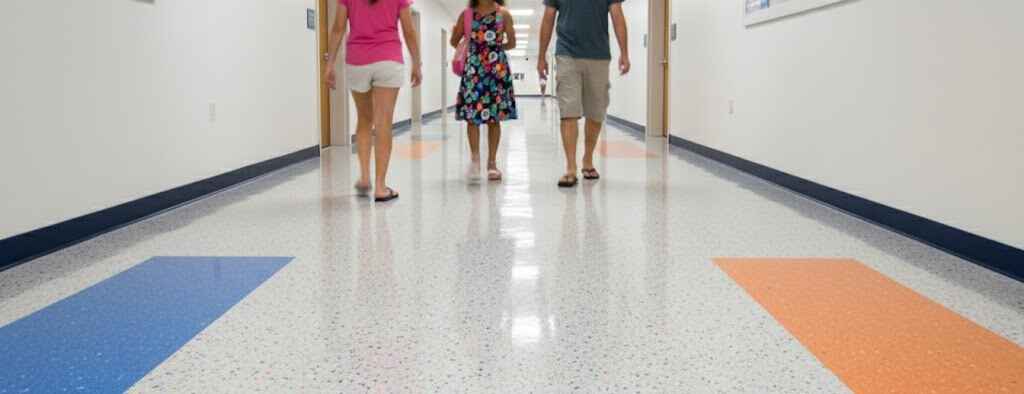
Educational buildings must maintain high hygiene standards to protect students and staff from germs and infections. Heterogeneous vinyl flooring supports these health goals because it has a smooth and sealed surface. This surface does not allow bacteria or dust to settle easily, helping to maintain a cleaner indoor environment.
Another important advantage is that this flooring can be installed with welded joints. These joints close gaps where dirt or moisture might collect. In schools, this is especially useful in classrooms, medical rooms and wash areas where cleanliness is critical. A continuous surface reduces the risk of contamination while making sanitation routines more effective.
By supporting regular cleaning and hygiene practices, this flooring helps schools create healthier learning spaces. A clean environment improves attendance, reduces illness and supports overall student well-being.
Large educational buildings need clear visual guidance to help students move between spaces easily. Heterogeneous vinyl sheet flooring supports this by using different colors and patterns to define areas. Corridors, classrooms, libraries and activity zones can each have a unique look.
This visual separation helps students, especially younger ones, know where they are and where to go. It also makes pathways more visible and supports accessibility. In special education settings, clear cues reduce confusion and stress.
Using flooring this way improves organization and movement within the building. Schools gain better flow, improved safety and a more structured environment without needing extra signs or barriers.
When schools invest in flooring, they expect long-term performance with few problems. Heterogeneous vinyl flooring often comes with strong manufacturer warranties, reflecting its durability and quality. These warranties give schools confidence that the flooring will perform well for many years.
The layered construction helps the floor maintain its appearance even with constant use. It resists surface damage and keeps color consistent over time. This long-term stability reduces the need for early replacement while supporting better asset management for educational facilities.
Strong performance combined with warranty support makes this flooring a reliable investment. Schools can plan budgets more effectively while knowing the flooring will continue to meet functional and visual needs throughout its life.
Heterogeneous vinyl flooring has become a preferred choice for schools and educational buildings because it meets both practical and long-term needs. It supports hygiene standards, enhances indoor organization through thoughtful design zoning, and delivers reliable performance over many years. Schools gain a flooring solution that aligns with daily operations, future planning and budget management. By providing strength, cleanliness, flexibility and consistent quality, this flooring helps create learning environments that are safe, functional and ready for continuous use.
Longda Flooring is the largest vinyl sheet flooring manufacturer in China. We already supplied flooring to many of the school projects.
Sanya Mingde Bilingual School is one of the projects we finished in 2025.
Answer: This flooring is ideal because it supports hygiene, withstands daily use and maintains performance over time. It helps schools manage cleanliness, organization and long-term facility planning.
Answer: Yes, it allows different colors and patterns to define areas. This helps students navigate easily between classrooms, corridors and common spaces.
Answer: Yes, its sealed surface and welded joints help prevent dust and bacteria buildup while making it suitable for classrooms, medical rooms and other sensitive areas.
Answer: It performs consistently over many years while being backed by strong warranties. This helps schools plan maintenance and replacement costs more effectively.
Answer: Yes, its long service life and low maintenance needs make it a cost-efficient option while supporting budget stability without compromising quality.
Copy right by Longda China