
Choosing the right flooring is an important part of planning a modern dental clinic. The floor must support daily clinical activities, regular cleaning, staff movement, and the use of dental equipment while maintaining a clean and professional appearance. A suitable flooring option should offer a smooth surface, a consistent finish, and reliable performance across different clinical areas when the right product is selected and installed correctly.
Homogeneous Vinyl Sheet Flooring can be a good choice for dental clinics because it combines useful surface properties with a clean, uniform finish. Modern dental facilities need flooring that suits their daily requirements without making routine care unnecessarily complicated. From treatment rooms to reception areas, the right flooring specification can help create a well-organised clinical environment while meeting the practical needs of staff and patients.
In this blog, we will explain why Homogeneous Vinyl Flooring is a suitable choice for modern dental clinics. We will also discuss its material structure, surface characteristics, hygiene-related properties, compatibility with dental equipment, appearance, and other important factors to consider when selecting and installing flooring for clinical use.
Homogeneous Vinyl Sheet Flooring is manufactured with a consistent material composition throughout its thickness. Unlike heterogeneous vinyl flooring, which contains several distinct layers, homogeneous flooring has a uniform structure. This is one of its main features and distinguishes it from other resilient flooring options used in commercial spaces. Because the colour and pattern extend throughout the material, the flooring does not depend on a separate decorative layer to maintain its appearance. This construction can be useful in dental clinics where a consistent finish is preferred across treatment rooms and other frequently used areas. However, the exact composition and appearance depend on the selected product.
When choosing Homogeneous Sheet Vinyl, clinic owners should review the manufacturer’s technical data sheet. Details such as thickness, surface treatment, chemical resistance, and recommended applications help determine whether the product meets the requirements of the intended clinical area.
A smooth flooring surface can make routine cleaning easier in dental treatment rooms. Dust, small particles, and everyday residues can accumulate on floors during clinical activities, so staff need a surface that can be cleaned with suitable products and methods. Homogeneous Vinyl Sheet Flooring is available with smooth finishes that support regular cleaning and maintenance.
The surface finish should suit the clinic’s practical needs. The flooring should be easy to wipe and maintain while providing appropriate slip resistance for its intended use. Product specifications can help clinic owners evaluate these features before making a purchasing decision.
A smooth surface alone does not make flooring sterile or prevent the spread of infection. Proper cleaning, appropriate disinfection procedures, and compliance with clinical hygiene protocols remain essential. When these practices are followed, Homogeneous Vinyl Sheet Flooring can help maintain a clean and well-kept treatment environment.
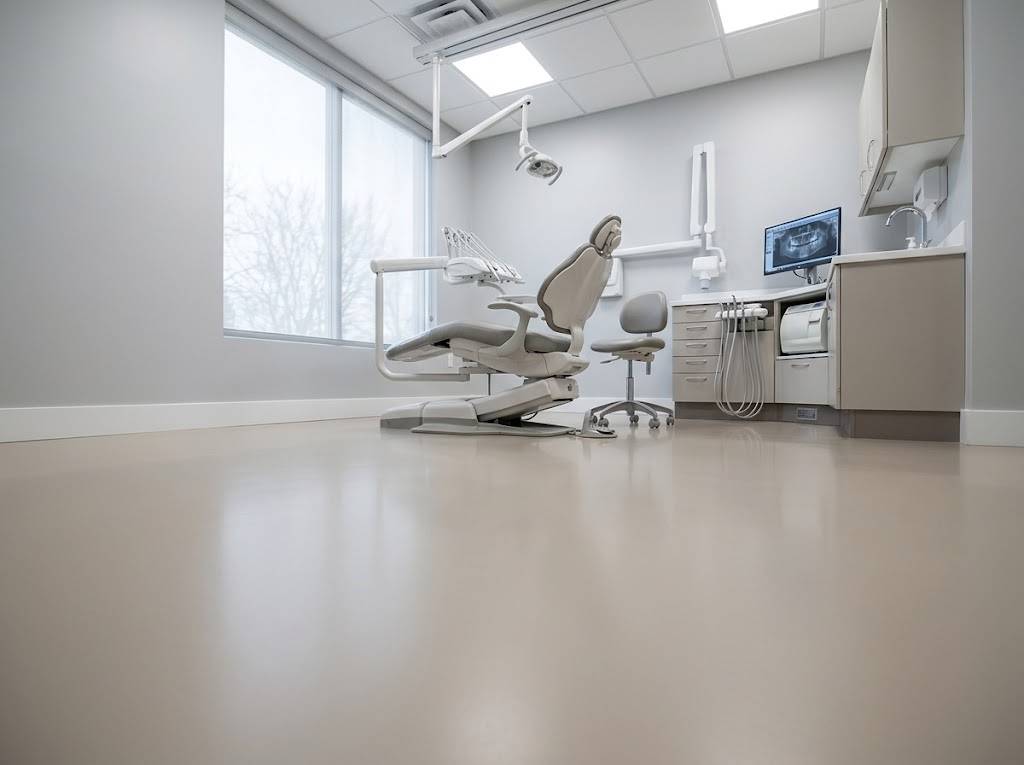
Dental clinics require careful attention to environmental hygiene because patients and clinical staff share the same spaces throughout the day. Flooring should be selected based on its surface properties, cleaning requirements and compatibility with approved disinfectants. Homogeneous Vinyl Flooring can meet these needs when the selected product is suitable for the intended clinical use.
Many products in this category have dense, low-porosity surfaces that support routine cleaning. However, these properties vary across product ranges, so clinic owners should check the manufacturer’s specifications rather than assume that all vinyl sheet flooring offers the same performance.
Suitable flooring should complement established hygiene procedures. Staff must follow cleaning schedules, use compatible disinfectants, and pay attention to areas around fixtures and equipment. With the right product and proper maintenance, Homogeneous Vinyl Sheet Flooring can support the clinic’s overall environmental hygiene practices.
Dental clinics use various cleaning agents and disinfectants to maintain proper clinical hygiene. Flooring must be compatible with these products because certain chemicals can affect the surface finish or performance of unsuitable materials. Homogeneous Vinyl Sheet Flooring can be a suitable option when the selected product provides verified resistance to the cleaning agents used in the clinic.
Before purchasing, clinic managers should review the manufacturer’s chemical resistance data. This information helps them determine whether the flooring can withstand routine cleaning products and whether any chemicals require special precautions. Compatibility should always be confirmed for the specific cleaning products used rather than assumed from general product descriptions.
Following the manufacturer’s care instructions also helps maintain the flooring’s condition. Staff should use approved cleaning solutions at the recommended concentrations and follow the specified application procedures. By selecting Homogeneous Vinyl Sheet Flooring that matches the clinic’s cleaning requirements, managers can make an informed choice for daily clinical use.
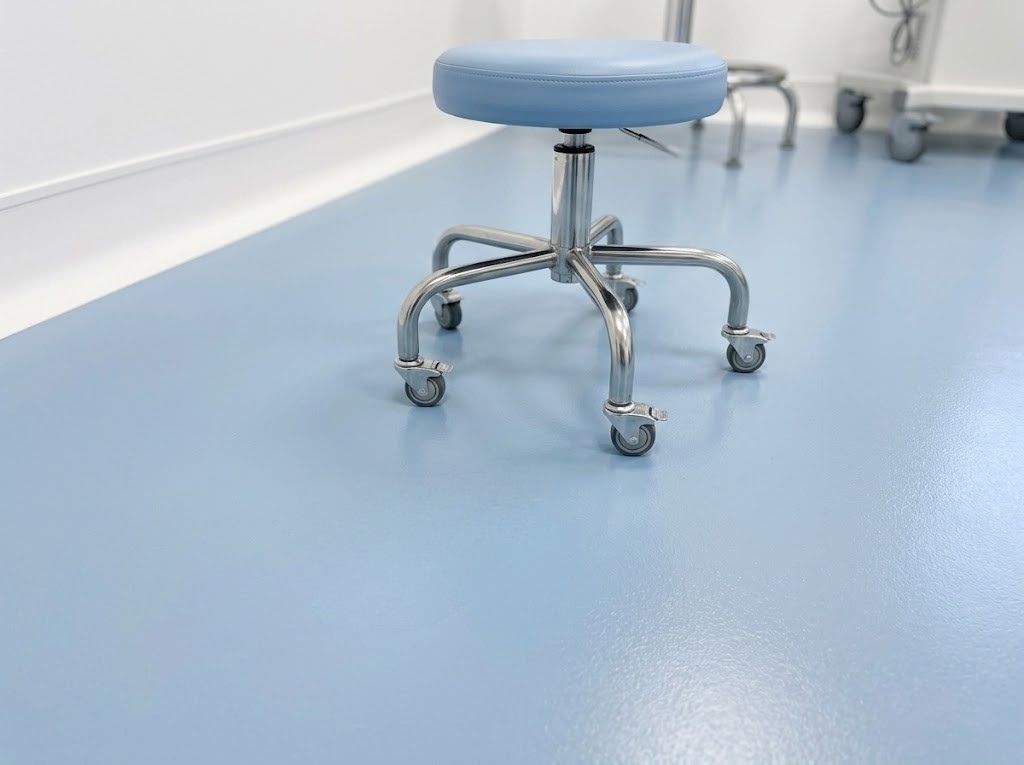
Homogeneous Vinyl Sheet Flooring can be installed with heat-welded seams to create a more continuous floor surface. This process joins adjacent sheets using compatible welding materials, helping reduce open joints where dirt and moisture could collect. This feature is particularly useful in dental treatment rooms that require frequent cleaning.
The quality of the finished seams depends on proper installation, suitable welding materials and the installer’s skills. Poorly finished joints can affect the floor’s appearance and performance, so experienced flooring professionals should follow the manufacturer’s installation instructions. Clinics should also consider the edges where the flooring meets walls, door frames, and fixed fixtures. Properly finished edges and joints create a neat installation and support routine floor maintenance.
Dental treatment rooms contain specialised equipment that must remain stable and accessible during clinical procedures. Homogeneous Vinyl Flooring can be a suitable option for these spaces because some products are designed for demanding commercial use.
Before selecting a product, clinic planners should assess the weight and base design of dental chairs, instrument cabinets and other equipment. Heavy items can create concentrated loads that may affect flooring performance, particularly when the weight rests on small contact points. Therefore, the flooring manufacturer’s load recommendations should be reviewed before installation.
Main Points:
These checks help clinic owners determine whether Homogeneous Vinyl Sheet Flooring is suitable for the intended treatment room.
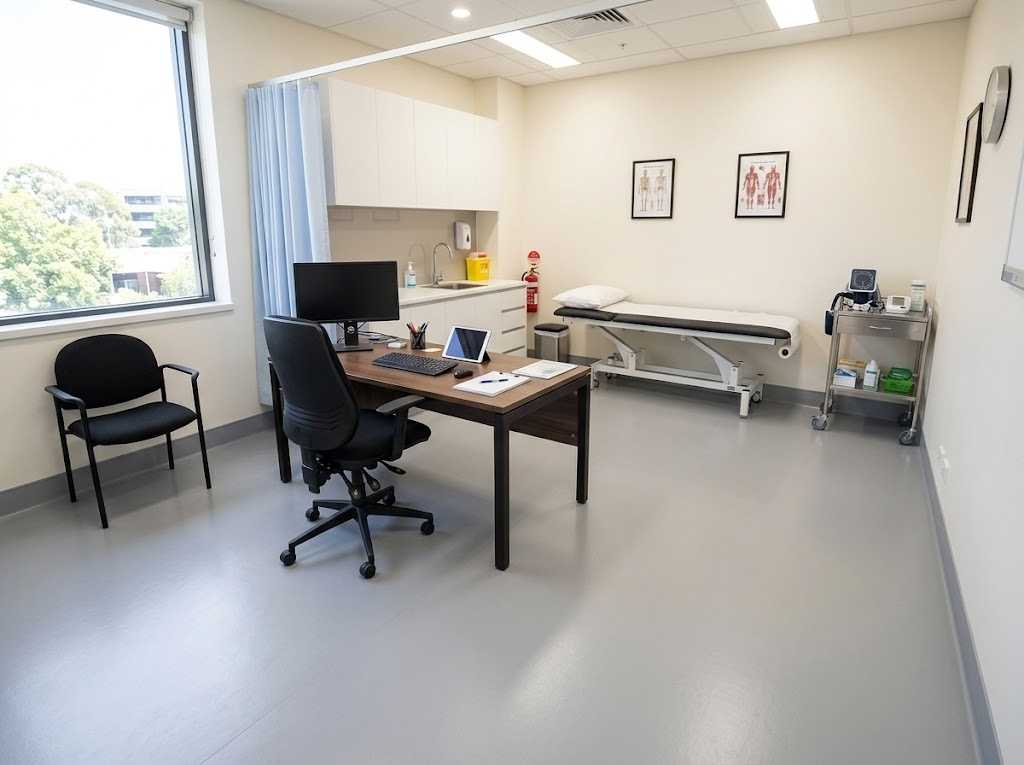
Even high-quality Homogeneous Vinyl Sheet Flooring requires a properly prepared subfloor for a successful installation. The underlying surface should be sufficiently flat, dry, clean and stable according to the manufacturer’s requirements. These conditions help the adhesive bond properly and create a smooth finished floor.
Subfloor preparation may involve removing residues, repairing surface defects, applying a suitable primer, or using a compatible levelling compound. The exact process depends on the existing substrate, its condition and the specified installation system.
Before installation begins, the contractor should check moisture levels and confirm that the subfloor meets the manufacturer’s requirements. Careful preparation provides a stable foundation for Homogeneous Sheet Vinyl Flooring and helps reduce the risk of installation problems.
Safe movement is essential in dental clinics, where patients, clinical staff and equipment move between different areas throughout the day. Homogeneous Vinyl Sheet Flooring is available in various surface finishes, allowing clinic planners to choose a product with suitable slip resistance for its intended use.
Slip resistance depends on several factors, including the surface finish, moisture levels and floor condition. A surface that performs well in dry conditions may behave differently when exposed to water or cleaning residues. Therefore, flooring selection should consider the actual conditions within the clinic rather than appearance alone. Clinic owners should request relevant test data and confirm that the selected flooring meets applicable safety requirements. Regular inspections, proper cleaning and prompt removal of spills are also essential. With suitable product selection and consistent maintenance, Homogeneous Vinyl Sheet Flooring can help provide a floor surface that supports safer movement.
The appearance of a dental clinic can influence how patients perceive the facility. A neat, coordinated interior creates a professional impression, from the reception desk to the treatment rooms. Homogeneous Sheet Vinyl Flooring is available in various colours and patterns, giving designers flexibility when planning the clinic’s overall appearance.
Neutral shades can create a calm atmosphere, while carefully chosen contrasting colours can help distinguish different functional areas. The flooring should complement the walls, furniture, lighting and clinical equipment to create a balanced interior.
Using a consistent flooring finish across connected spaces can also create a more organised appearance. By choosing suitable colours and patterns, clinic designers can meet practical flooring requirements while maintaining an attractive and professional environment.
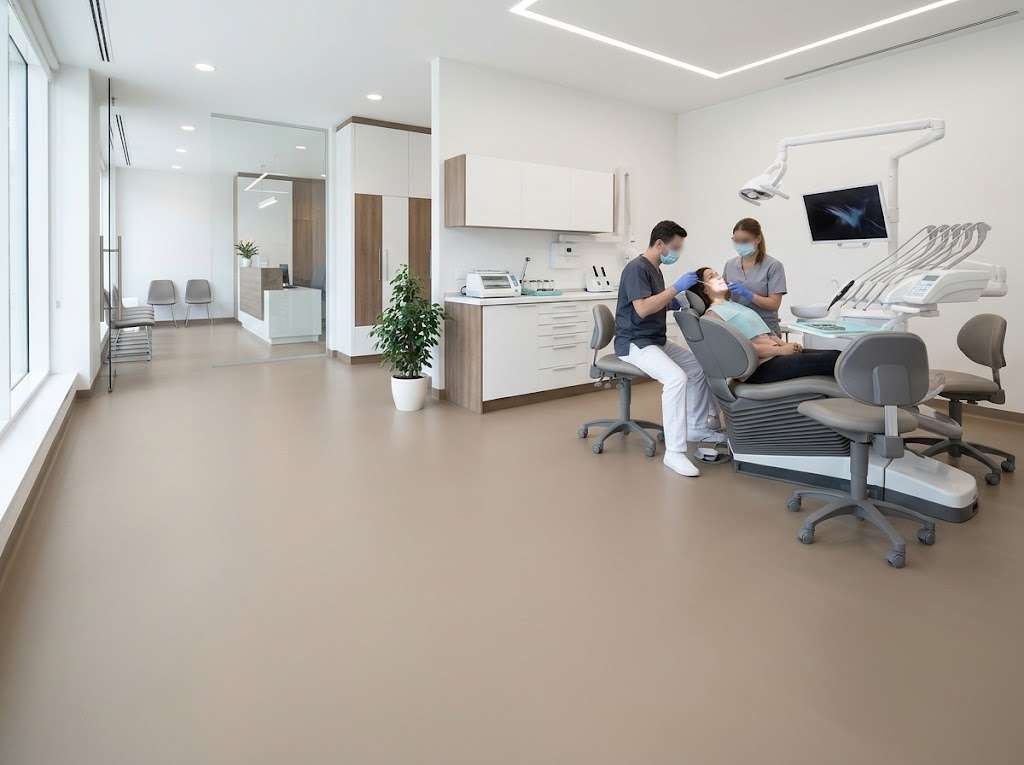
Homogeneous Vinyl Flooring is a practical option for modern dental clinics because it offers a consistent material structure, a smooth surface, a professional appearance and flexible installation options. Its suitability for clinical environments depends on choosing the right product, ensuring proper installation, and following the manufacturer’s cleaning and maintenance instructions. Factors such as chemical resistance, slip resistance, equipment requirements and product documentation should also be considered before making a final decision. With careful planning and the right product specifications, Homogeneous Vinyl Sheet Flooring can help dental clinics maintain a clean, organised and professional environment while meeting their daily operational needs.
Longda Flooring is largest vinyl sheet flooring manufactuer from China. Currently 90% of the our homogeneous vinyl flooring is shipping to hospital & healthcare sectors. Dental Clinics are part of hospital, and it is definitely the best choice to choose homogeneous flooring.
Answer: Homogeneous Vinyl Flooring is a suitable choice for modern dental clinics because it combines a consistent material structure, a smooth surface, and a professional appearance with practical features for clinical use. Its sheet format allows adjoining sections to be joined with heat-welded seams, helping create a continuous floor surface when installed correctly. The flooring is available in various colours and specifications, giving clinic owners flexibility when planning treatment rooms, consultation areas and reception spaces. Its suitability depends on selecting a product that meets the clinic’s requirements for cleaning, chemical resistance, slip resistance and equipment loads. With the right product specifications and proper installation, Homogeneous Vinyl can help maintain a clean, organised and professional clinical environment.
Answer: Homogeneous Vinyl Sheet Flooring can support routine cleaning in dental clinics because many products have smooth, dense surfaces that allow everyday dirt and residues to be removed using suitable cleaning methods. The sheet format and properly finished seams can also help reduce open joints where dirt may collect. However, ease of cleaning depends on the surface finish, installation quality and maintenance requirements of the selected product. Clinic staff should follow the manufacturer’s cleaning instructions and use compatible detergents and disinfectants approved for the flooring. Regular cleaning should also follow the clinic’s infection prevention procedures. When properly selected and maintained, Homogeneous Vinyl Flooring can help staff manage daily floor care efficiently while supporting established hygiene practices.
Answer: Yes, Homogeneous Vinyl Sheet Flooring can be suitable for dental treatment rooms when the selected product is designed for the intended clinical use. These rooms contain dental chairs, instrument cabinets, treatment equipment and other fixtures that place specific demands on the flooring. Before choosing a product, clinic owners should review its technical specifications, including thickness, chemical resistance, slip resistance, and suitability for concentrated and rolling loads, where applicable. The flooring must also be compatible with the cleaning products used in the treatment area. Proper subfloor preparation and professional installation are essential for achieving the expected performance. By considering these requirements before purchasing, clinic planners can select Homogeneous Vinyl Sheet Flooring that meets the practical needs of their treatment rooms.
Answer: When choosing Homogeneous Vinyl Flooring, dental clinics should consider the intended use of each area, the product’s technical specifications, installation requirements and ongoing maintenance needs. Chemical resistance is particularly important in areas where approved disinfectants are used frequently, while slip resistance should suit the expected conditions. Clinics should also consider the weight of fixed equipment, the movement of mobile units, and the compatibility of the flooring with the selected adhesive system. Product samples can help buyers assess colours and finishes, while technical data sheets provide detailed information about performance. It is also advisable to review warranty conditions and obtain clear installation and maintenance instructions from the supplier. Evaluating these factors together helps clinic owners select Homogeneous Vinyl Sheet Flooring based on practical requirements rather than appearance or price alone.
Answer: Homogeneous Vinyl Sheet Flooring can last for many years in dental clinics when the right product is selected, professionally installed and properly maintained. Its lifespan depends on factors such as product quality, daily foot traffic, exposure to cleaning chemicals and maintenance practices. Proper subfloor preparation, suitable installation materials, and manufacturer-approved cleaning products can help maintain the flooring’s condition and performance. For an accurate estimate of its expected lifespan, clinic owners should consult the manufacturer’s technical specifications and warranty information for the selected product. Choosing flooring designed for demanding commercial or healthcare environments can help clinics achieve reliable performance over time.
Copy right by Longda China