
Flooring plays an important role in the appearance, performance and durability of commercial spaces. A properly prepared subfloor is essential for achieving a smooth finish and ensuring that the flooring performs as expected. Before installing vinyl sheet flooring, the subfloor should be carefully inspected to confirm that it is suitable for installation. Uneven surfaces, moisture and poor preparation can affect the final result and lead to avoidable problems.
Homogeneous Vinyl Sheet Flooring has a consistent structure throughout its thickness. However, achieving a good result depends on more than choosing the right flooring material. The condition of the subfloor, the use of suitable preparation products and the quality of installation all affect the final outcome. A properly prepared surface helps the flooring sit evenly and ensures a reliable bond with the appropriate adhesive.
In this blog, we will explain why Homogeneous Vinyl Flooring requires a flat subfloor, how surface conditions affect the finished floor and which preparation methods help create a suitable base. We will also cover self-leveling compounds, primers, moisture testing and common preparation mistakes to help readers understand the importance of proper subfloor preparation.
A flat subfloor is a surface without significant bumps, dips or sudden changes that could affect the flooring installed above it. It provides an even base and helps achieve a consistent finish across the entire area. Before installing Homogeneous Sheet Vinyl Flooring, the surface should be carefully inspected to identify any areas that need correction.
Flatness and levelness are not the same. A flat surface has minimal unevenness, while a level surface is horizontal. A subfloor does not always need to be perfectly horizontal, but it must meet the flatness requirements specified for the selected flooring system. These requirements should be checked before preparation begins.
The subfloor should also be firm, clean and dry. Loose particles, weak areas and other surface defects can interfere with the installation process. Identifying these issues early helps installers choose suitable preparation methods and prevent problems after the flooring has been installed.
Self leveling is always required for homogeneous flooring installation. This is the perfect subfloor. But if it is not possible to have subfloor, then you will also need to make sure the subfloor is very flat.
Homogeneous Vinyl Sheet Flooring is installed over a prepared surface, so the condition of the subfloor can affect the appearance of the finished floor. Raised areas and depressions may become visible through the sheet, particularly under certain lighting conditions.
An even base also provides consistent support beneath the flooring. When the subfloor has noticeable unevenness, the sheet may not sit properly. Depending on the surface condition and installation method, these variations can affect the appearance and may cause bonding problems.
Preparing the subfloor before installation helps create suitable conditions for laying the flooring. Correcting uneven areas in advance is generally more effective than trying to fix visible defects after installation. Proper preparation is therefore essential for achieving a smooth, professional finish.
Before installation begins, the subfloor should meet the requirements of the selected flooring and adhesive products. These requirements help determine whether the surface is ready for the next stage of work.
These requirements include:
These conditions should be checked before the flooring is installed. A surface that appears smooth may still have moisture or bonding issues that need attention.
The installer should also confirm that the subfloor is suitable for the selected preparation products. Following the relevant technical instructions helps ensure that each material is used under the conditions for which it was designed.
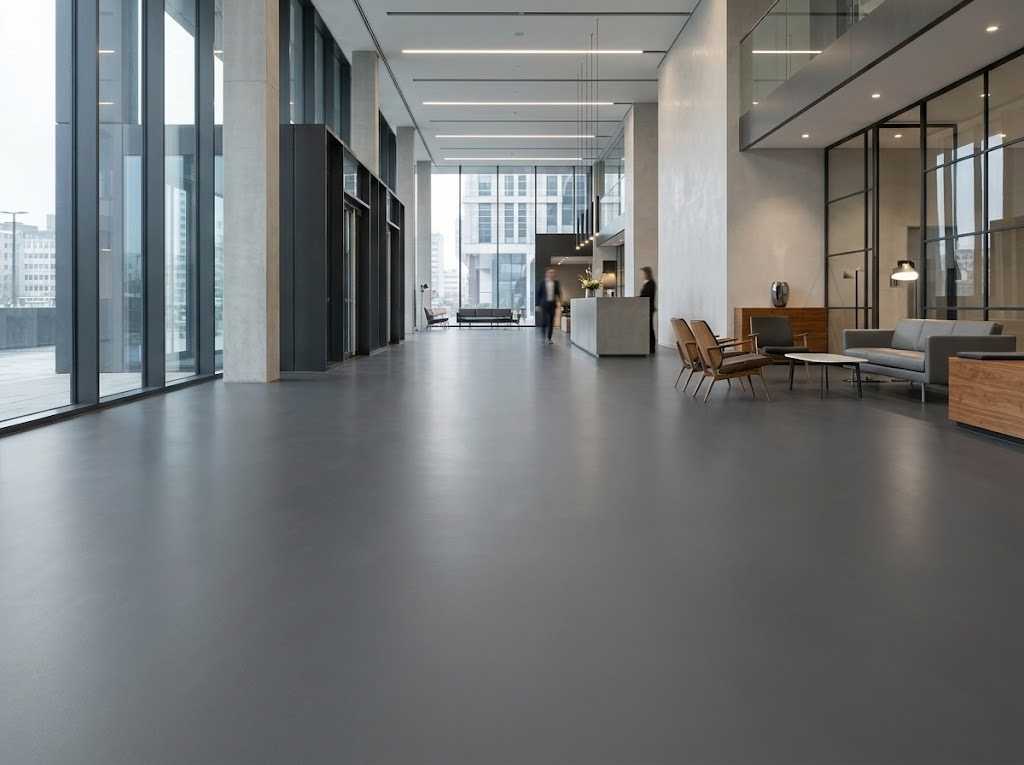
Uneven surfaces can affect the appearance of Homogeneous Vinyl Sheet Flooring. Small ridges, raised areas and depressions may show through the material, making the finished floor look less smooth. These imperfections can be particularly noticeable across large, open areas. Unevenness can also affect how the flooring sits on the subfloor. Depending on the type and severity of the surface defects, some sections may receive better support than others. This can make installation more difficult and may affect the flooring system’s performance.
And the biggest problem is: it might make the flooring lifespan much shorter than professional installation. Bubbles will come out after a period of time, or white lines, easier to break.
The best approach is to identify and correct uneven areas before installation. The suitable method depends on the subfloor type, the extent of the unevenness and the flooring manufacturer’s requirements. Proper preparation helps minimise visible defects and avoid unnecessary corrective work.
A subfloor may appear dry while still containing excessive moisture. This is particularly relevant to concrete surfaces, which can retain moisture beneath the visible surface. Therefore, a visual inspection alone may not be enough to determine whether the subfloor is ready for vinyl flooring.
Excessive moisture can interfere with certain adhesives and flooring systems. Depending on the materials used, it may cause poor bonding, bubbles or other installation defects. The acceptable moisture level varies depending on the subfloor type and the manufacturer’s requirements.
Proper moisture testing should be completed before installation. If the results exceed the permitted limits, the cause should be identified and suitable corrective measures taken. Installing flooring before resolving moisture problems can increase the risk of premature failure.
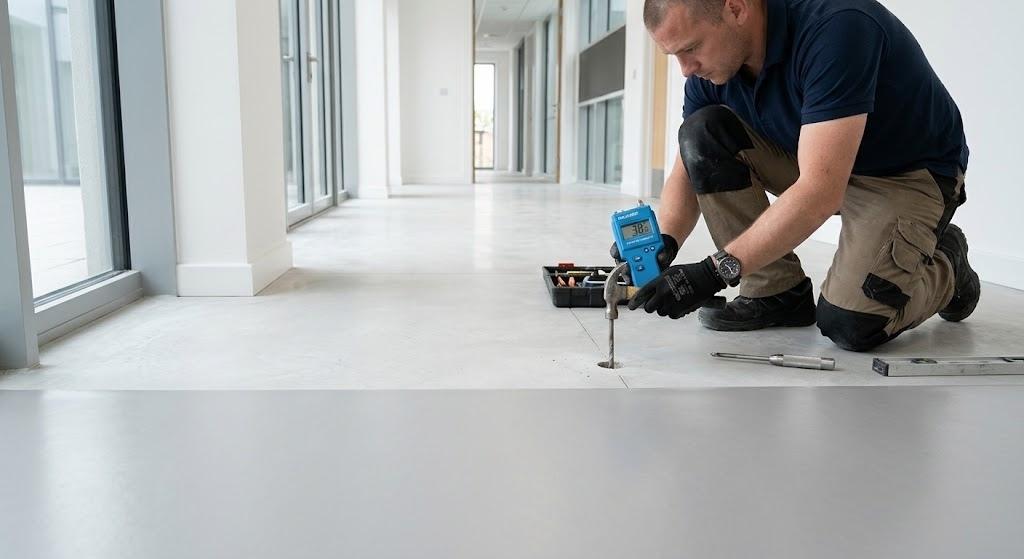
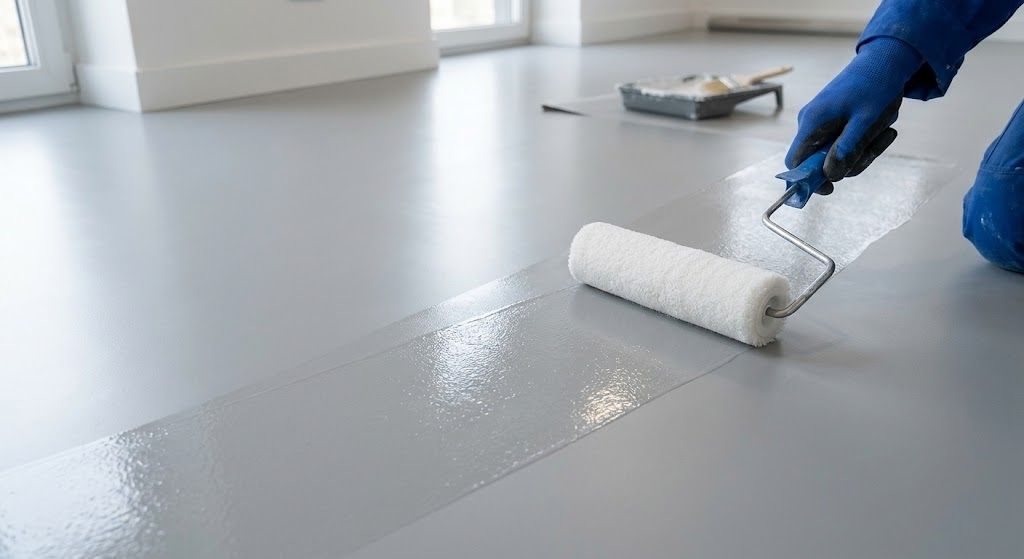
A self-leveling compound helps correct suitable surface irregularities and creates a smoother base for Homogeneous Vinyl Sheet Flooring. It is commonly used when the existing subfloor has low spots or uneven areas that need correction before installation.
The compound must be compatible with the existing subfloor and the selected flooring system. Its application depends on the product instructions, the required thickness and the surface condition. Some products may also require a suitable primer before application. After application, the compound must be allowed to cure or dry according to the manufacturer’s instructions. The prepared surface should then be inspected to ensure it meets the required conditions before the vinyl sheet is installed.
Different subfloor conditions require different preparation methods before installing Homogeneous Sheet Vinyl Flooring. Identifying surface problems in advance helps installers choose suitable materials and prepare the base according to the flooring manufacturer’s requirements.
The table below outlines common subfloor problems, suitable preparation methods and the purpose of each method.
Subfloor Problem | Suitable Preparation Method | Purpose |
Uneven areas and small dips | Apply a compatible self-leveling compound where required | To create a smoother and more even surface |
Dust and loose particles | Clean the surface using the recommended method | To provide a suitable base for installation |
Cracks and damaged sections | Repair with appropriate materials | To create a sound and stable surface |
Excessive moisture | Test moisture levels and address the underlying issue | To reduce moisture-related installation risks |
Surface requiring additional preparation | Apply a compatible primer when specified | To prepare the surface for the next installation stage |
The correct preparation method depends on the subfloor condition and the requirements of the selected flooring system. Installers should follow the manufacturers’ instructions to ensure that the preparation materials are compatible and applied correctly. Proper preparation creates a suitable base for Homogeneous Vinyl Flooring and helps achieve a smooth, professional finish.
Primer may also be required during subfloor preparation. Depending on the flooring system, it helps prepare the surface and improve compatibility between the existing base and the next material, such as a leveling compound.
Not every subfloor or preparation product requires the same primer. The correct choice depends on the surface material, the compound or adhesive being used and the instructions provided by the relevant manufacturers. Using an unsuitable primer may affect the performance of the installation system.
The surface must be clean and properly prepared before the primer is applied. The primer should be used in the recommended amount and allowed to dry for the specified period. However, it does not replace necessary repairs or moisture control.
Poor preparation can increase the risk of defects in the finished flooring. Uneven areas may remain visible, while dust, moisture or an unsuitable surface can interfere with the adhesive. These issues may affect the appearance and service life of Homogeneous Vinyl Flooring.
Poor subfloor preparation can lead to the following problems:
These are possible consequences of inadequate preparation, not guaranteed results in every installation. The actual outcome depends on the subfloor condition, the materials used and the quality of the installation.
Proper subfloor preparation helps reduce these risks and gives the installer a better chance of achieving a smooth finish and reliable flooring performance.
A final inspection helps confirm that the subfloor is ready for Homogeneous Vinyl Sheet Flooring. The installer should check for any remaining bumps, depressions, cracks, loose particles or other defects that could affect the finished result.
The inspection should also confirm that any leveling compound or primer has been applied correctly and is ready for the next installation step. Moisture test results should be reviewed to ensure they meet the specified limits.
Once the surface meets the relevant requirements, installation can proceed according to the flooring manufacturer’s instructions. This final check helps identify any remaining issues before they become more difficult and expensive to correct.
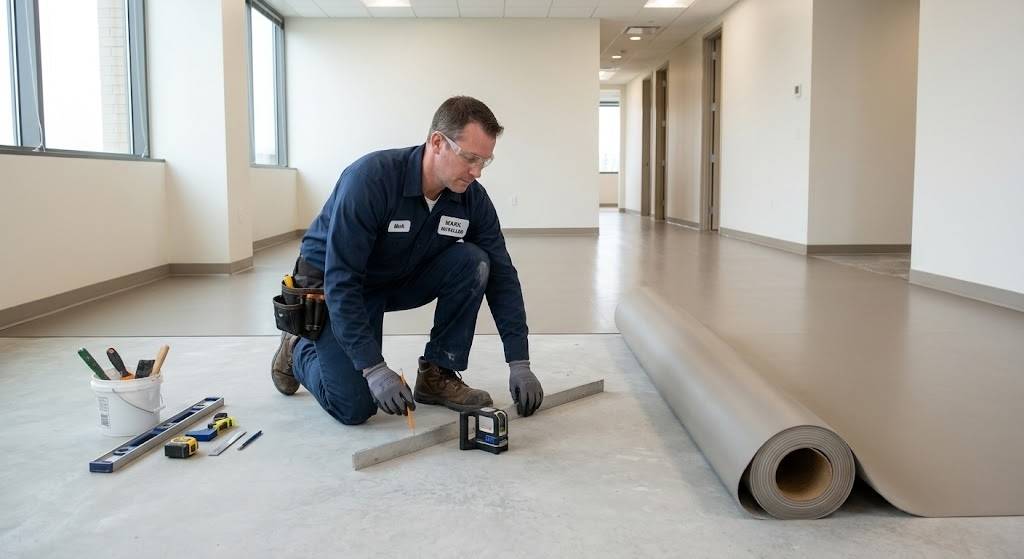
Homogeneous Vinyl Sheet Flooring requires a flat, dry and properly prepared subfloor to achieve a smooth finish and reliable performance. Suitable preparation methods, such as using a compatible self-leveling compound and primer when required, help create the right conditions for installation. Choosing the correct adhesive, following proper installation practices and maintaining suitable site conditions also contribute to the quality of the finished floor. Following the manufacturer’s instructions and maintaining the flooring correctly can help reduce installation problems and preserve its appearance over time. Proper preparation and professional installation are essential for achieving the best results with Homogeneous Vinyl Flooring.
Longda Flooring is the largest vinyl sheet flooring manufactuer in China. We understand the importance of the installation. That’s why we normally sent an installation video to our customers and make sure they follow the installation guide and do their job professionally.
Answer: Homogeneous Vinyl Sheet Flooring requires a flat subfloor because the condition of the underlying surface directly affects the appearance and quality of the finished floor. When the subfloor contains bumps, dips, ridges or other uneven areas, these imperfections may show through the vinyl sheet and make the surface look irregular. An uneven base can also affect how the flooring sits and how effectively the adhesive bonds with the prepared surface. Over time, unsuitable installation conditions may cause defects that affect the flooring’s performance and service life. Preparing a flat, dry and sound subfloor before installation provides consistent support and creates suitable conditions for achieving a smooth, professional finish. It also helps installers identify and correct surface problems before they become more difficult to address. Following the flooring manufacturer’s recommendations for subfloor preparation is essential for achieving the desired installation results.
Answer: Before installing Homogeneous Vinyl Sheet Flooring, the subfloor should be carefully inspected to determine whether it is suitable for the selected flooring system. The surface should be flat, dry, clean and strong enough to provide proper support. Installers should check for bumps, depressions, cracks, loose particles and damaged areas that could affect the finished result. Moisture levels should also be tested using a suitable method because a surface that appears dry may still contain excessive moisture. Any defects that exceed the manufacturer’s permitted tolerances should be corrected before installation begins. The installer should also ensure that the selected adhesive, primer and leveling compound are compatible with the subfloor and flooring material. These checks help create suitable installation conditions, reduce the risk of avoidable problems and support a consistent finish across the entire floor.
Answer: A self-leveling compound helps prepare the subfloor by correcting suitable low areas and reducing surface irregularities before installing Homogeneous Vinyl Sheet Flooring. When the existing base has dips or minor uneven areas, a suitable compound can create a smoother surface and support a more consistent flooring finish. However, the compound must be suitable for the subfloor and compatible with the selected flooring system. The existing surface should be prepared according to the product instructions, and the compound should be applied within the recommended thickness limits. Depending on the product, a compatible primer may also be required before application. After application, the compound must be allowed to dry or cure for the specified period before the next installation stage begins. Inspecting the prepared surface before laying the vinyl sheet helps confirm that it meets the manufacturer’s requirements and is ready for installation.
Answer: Primer is used in some subfloor preparation systems to prepare the existing surface for another material, such as a self-leveling compound. Depending on the product and subfloor type, it can improve material compatibility and support proper bonding. The correct primer should be selected based on the subfloor material, the preparation compound and the flooring system being installed. Using an incompatible product may affect the quality of the installation. Before applying primer, the surface should be cleaned and prepared according to the manufacturer’s instructions. The primer should then be applied using the recommended method and allowed to dry for the specified period. Primer does not correct significant unevenness, repair all types of surface defects or replace moisture testing. Instead, it supports the preparation process when required by the selected flooring system.
Answer: Poor subfloor preparation can shorten the service life of Homogeneous Vinyl Sheet Flooring by increasing the risk of defects that affect its appearance and performance. If the base has significant bumps or depressions, the flooring may not receive consistent support across the installation area. Excessive moisture, surface contamination or unsuitable adhesive conditions can also contribute to poor bonding and bubble formation. In some cases, these problems may cause damage and lead to repairs or replacement earlier than expected. The extent of the damage depends on the subfloor condition, the materials used and the quality of installation. To reduce these risks, installers should correct surface irregularities, ensure that moisture levels meet the specified limits and use compatible preparation products. They should also follow the flooring manufacturer’s instructions for adhesive application and installation. Although proper preparation cannot prevent every defect, it provides a better foundation for reliable flooring performance over time.
Copy right by Longda China