
High hygiene standards are important in places where cleanliness affects health and safety. Hospitals, laboratories, clinics and food preparation areas need flooring that supports proper sanitation. Selecting the right flooring helps reduce the risk of contamination and keeps the indoor environment clean.
Homogeneous vinyl flooring is widely recognized in hygiene-sensitive environments because it provides a clean appearance, easy maintenance and reliable performance. Its smooth and consistent surface makes daily cleaning simple, helping staff maintain high hygiene standards. Over time, the flooring stays professional and polished, keeping both visual appeal and cleanliness which is very important in areas where health and safety are a priority.
In this article we will explain why homogeneous flooring is an excellent choice for areas that require high hygiene standards. We will also discuss its hygienic surface, easy cleaning, resistance to contaminants and how it performs well in controlled environments while highlighting the practical benefits for hygiene-focused facilities.
A clean appearance is important in hygiene-focused spaces. Homogeneous vinyl provides a neat and professional look that promotes a sense of cleanliness and order.
Its smooth surface reflects light evenly while making spaces brighter and more organized. This clarity helps staff and visitors feel confident about the cleanliness of the environment.
A well-maintained floor also supports hygiene standards. When floors look clean and consistent, it becomes easier to keep the entire facility hygienic.
Preventing contamination is vital in sensitive environments. Homogeneous vinyl flooring has non-porous properties that prevent liquids and bacteria from soaking into the surface.
Spills and moisture remain on top of the floor while lowering the risk of microbial growth underneath. This is especially important in healthcare and laboratory settings.
By limiting absorption, the flooring helps maintain a cleaner and safer environment. Regular cleaning is enough to keep the area hygienic without additional treatments.
In hygiene-critical areas, controlling bacteria is a top priority to protect both staff and occupants. Homogeneous flooring plays an important role in reducing the buildup of germs on the floor surface.
Its smooth, non-porous finish does not provide spaces where bacteria can hide or multiply. This ensures that germs are removed more effectively during routine cleaning.
Regular cleaning of this flooring supports better infection control while helping maintain a safer environment for staff, patients and visitors. Consistent hygiene reduces the risk of cross-contamination and improves overall safety in critical areas.
In addition, homogeneous vinyl flooring contributes to long-term infection prevention by maintaining its surface integrity over time, allowing facilities to uphold strict hygiene standards without extra treatments or interventions.
High-hygiene facilities depend on frequent disinfection to maintain safety standards. Homogeneous flooring works well with regular cleaning routines.
The surface can withstand commonly used cleaning agents without affecting its appearance or performance. This allows facilities to follow strict cleaning schedules with confidence.
Key hygiene benefits include:
These features make it ideal for demanding hygiene environments.
Daily cleaning is essential in high-hygiene environments. Homogeneous vinyl flooring offers a smooth surface that makes cleaning quick and effective.
Dirt, spills and contaminants stay on the surface instead of being absorbed. This allows cleaning staff to remove them easily using regular cleaning methods.
Because the surface does not hold contaminants, less effort is needed to maintain high levels of cleanliness. This improves efficiency while keeping strict hygiene standards.
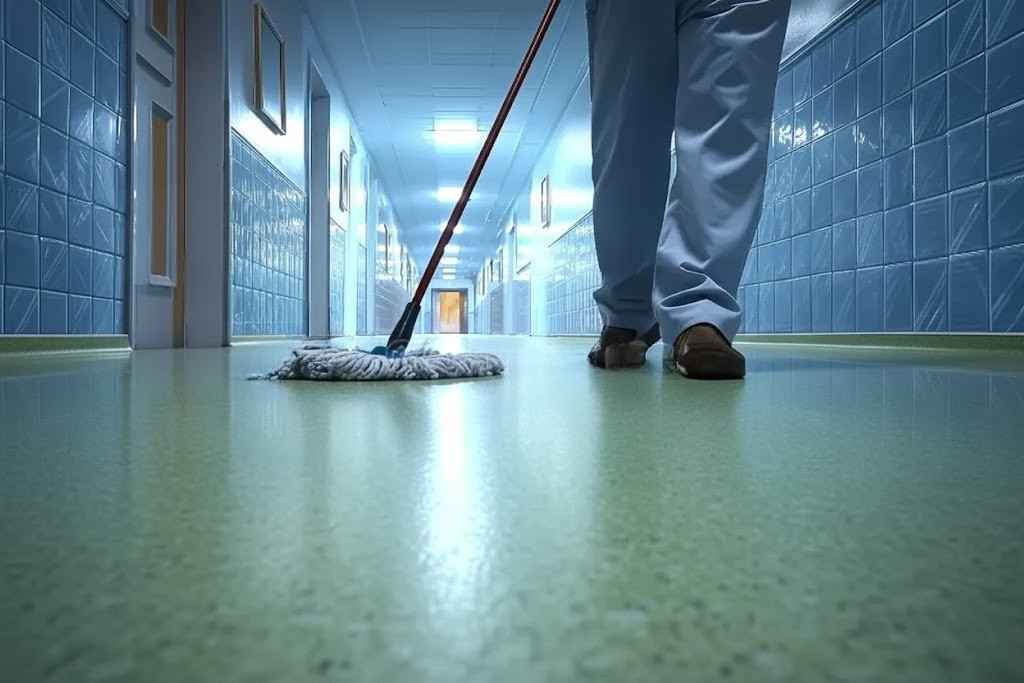
Floor joints and gaps often cause hygiene problems. Homogeneous vinyl sheet flooring can be installed to create a seamless and continuous surface.
This seamless finish reduces areas where dust, dirt and bacteria usually gather. Cleaning becomes easier and more effective across the entire floor.
A continuous surface also helps meet hygiene regulations in controlled environments where cleanliness must be maintained.
Dust and allergens can significantly affect indoor air quality in sensitive areas, posing risks to both staff and occupants. Homogeneous vinyl flooring helps minimize this risk by providing a surface that is easy to clean and maintain.
Its smooth, continuous surface prevents dust and allergens from settling deeply into the floor. Instead, particles remain on the surface, allowing them to be removed quickly and efficiently during routine cleaning.
This contributes to a healthier indoor environment by reducing airborne particles and improving overall air quality, which is especially important in hygiene-focused facilities such as hospitals, laboratories and food preparation areas.
Different flooring materials perform differently when it comes to hygiene. The table below compares common options based on their hygiene performance.
Flooring Type | Hygiene Control | Cleaning Effort | Moisture Handling | Suitability for Sensitive Areas |
Homogeneous Flooring | High | Low | Excellent | Very Suitable |
Ceramic Tiles | Medium | Medium | Moderate | Suitable |
Carpet Flooring | Low | High | Poor | Not Suitable |
Stone Flooring | Medium | High | Moderate | Limited |
This comparison shows why homogeneous vinyl is the preferred choice in high-hygiene environments.
Maintenance routines need to be simple in areas with strict hygiene requirements. Homogeneous vinyl flooring is easy to care for on a daily basis.
Regular cleaning is usually sufficient to keep the floor hygienic and looking good. There is no need for complicated maintenance procedures.
This lowers the workload for cleaning staff and helps facilities maintain consistent hygiene standards with less effort.
Visual cleanliness has a strong impact on hygiene perception. A well-organized space promotes discipline and professional standards. Homogeneous vinyl flooring helps maintain this visual order with consistent finishes.
Uniform flooring reduces visual distractions and creates a calm, controlled atmosphere. Staff are more aware of hygiene expectations in a visually clean environment.
For visitors and inspectors, visual order builds immediate confidence. The flooring reinforces the overall hygiene message instead of weakening it.
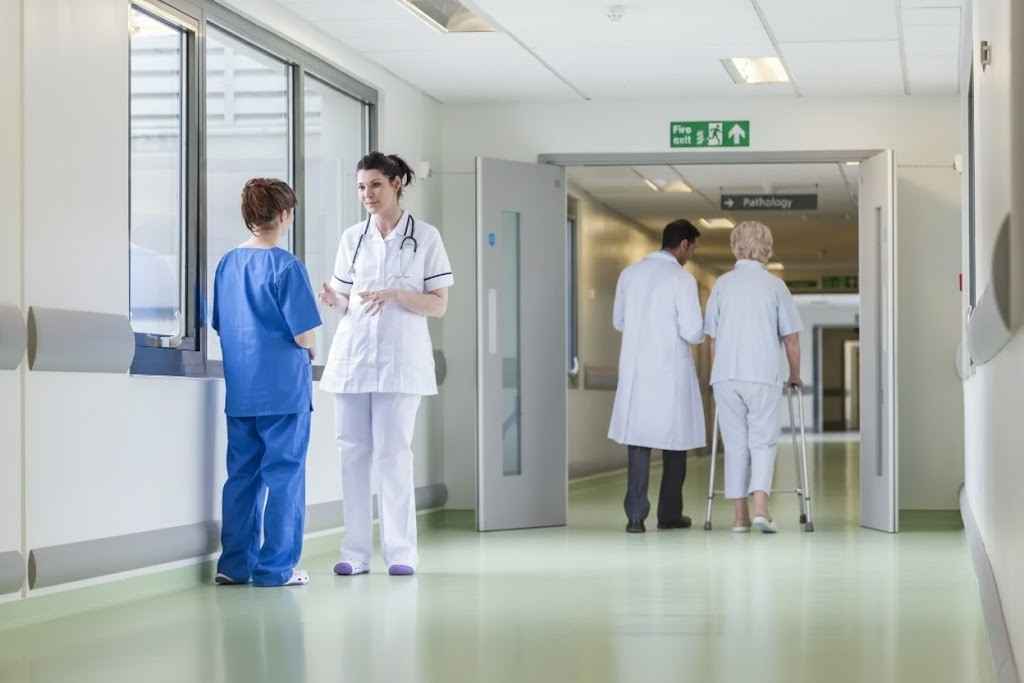
High-hygiene environments are governed by strict regulations that require spaces to remain clean and controlled at all times. Flooring is closely inspected because it covers large areas and faces daily use. Homogeneous vinyl flooring supports hygiene compliance by maintaining consistent performance during regular use and cleaning.
A predictable floor surface allows facilities to follow standard cleaning protocols without changes. Staff can use approved procedures confidently, knowing the flooring will perform reliably. This consistency is important during audits, inspections and certification processes where the condition of the floor is carefully reviewed.
In addition, when flooring actively supports compliance rather than creating risks, organizations reduce operational pressure. Management can focus on service quality instead of corrective maintenance which strengthens long-term regulatory trust.
Hygiene-focused spaces need frequent cleaning, often several times a day. This can create temporary wet conditions that increase the risk of slips if the flooring is not suitable. Homogeneous vinyl flooring helps maintain safety while supporting strict hygiene routines.
The surface can be designed to provide better grip without affecting ease of cleaning. This balance ensures that hygiene standards do not compromise safety for staff, patients or visitors. Safety becomes part of the hygiene strategy rather than a separate concern.
Improved safety also reduces workflow interruptions. Fewer accidents lead to smoother daily operations and greater confidence among staff working in demanding hygiene environments.
High-hygiene facilities are busy environments with constant movement of people, equipment and service carts. Flooring must stay stable under this pressure to avoid hygiene problems. Homogeneous vinyl flooring performs reliably even under continuous use.
The surface keeps its structure and appearance despite repeated traffic. This stability prevents changes that could affect cleaning effectiveness or hygiene control.
Consistent surface stability allows hygiene teams to achieve the same cleaning results throughout the day. Operations continue smoothly without unexpected flooring-related issues.
Moisture is unavoidable in hygiene-critical spaces because of cleaning, spills and sanitation processes. Flooring must handle moisture in a controlled and predictable way. Homogeneous vinyl flooring supports hygiene by keeping moisture on the surface.
Liquids stay easy to remove, allowing faster drying and lowering hygiene risks. This makes continuous cleaning possible without long recovery times.
Effective moisture control also helps maintain consistent hygiene across different shifts. Cleanliness does not suffer from trapped moisture or slow drying.
Many facilities are divided into zones with different hygiene requirements. Flooring should work well across these zones without adding complexity. Homogeneous vinyl flooring performs consistently in all hygiene areas.
Using a single flooring solution across zones simplifies planning and reduces changes between materials. Hygiene practices stay consistent throughout the facility.
This adaptability supports better training, supervision and hygiene control without adding extra operational burden.
Hygiene-sensitive spaces require flooring that performs consistently under constant use. Homogeneous vinyl flooring maintains its hygienic qualities even with heavy foot traffic, making it ideal for busy hospitals, laboratories and other high-use areas.
Key benefits include:
Its predictable performance ensures that staff can maintain high hygiene standards while making operations smoother and safer in demanding environments.
Downtime is costly in hygiene-sensitive environments. Flooring maintenance should allow quick cleaning and fast return to use. Homogeneous vinyl flooring supports efficient maintenance routines.
Routine cleaning can be done within standard schedules without long closures. Areas are ready for use quickly without affecting hygiene.
Less downtime protects productivity while keeping hygiene standards intact.
Hygiene performance must be cost-effective over time. Flooring should not cause unexpected expenses. Homogeneous vinyl flooring helps control long-term costs through reliable performance.
Maintenance remains manageable and repairs are less frequent. This makes budget planning easier for facility managers.
Stable long-term costs make this flooring ideal for hygiene-focused environments with strict financial planning.
Critical facilities need flooring that supports hygiene every day. Performance must stay reliable under constant use. Homogeneous vinyl flooring provides dependable hygiene support.
Cleaning results remain predictable and consistent over time. Hygiene teams can rely on the same outcomes without making adjustments.
In environments where cleanliness directly affects health and safety, reliable flooring performance is essential.
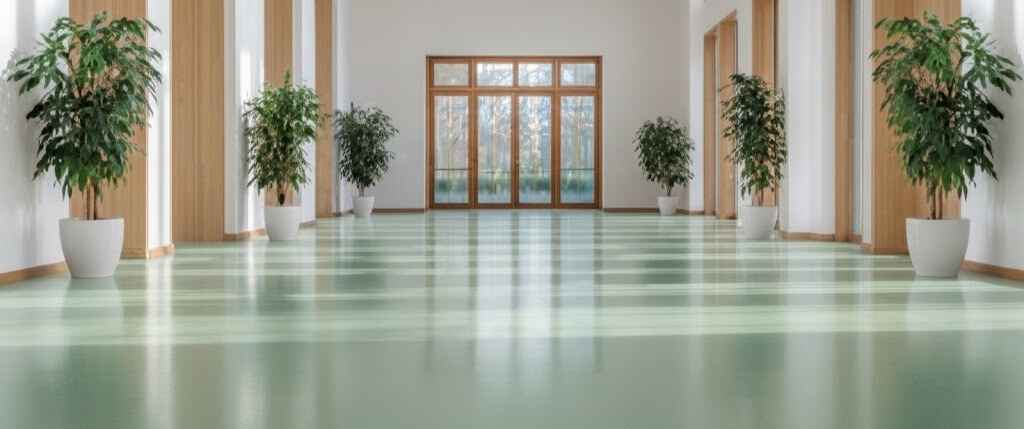
Homogeneous vinyl flooring is an excellent choice for areas with high hygiene standards because it combines durability, easy maintenance and effective hygiene performance. Its smooth, non-porous surface prevents the buildup of dust, bacteria and allergens while making cleaning simple and efficient. Resistant to frequent use and standard disinfectants, this flooring keeps both its appearance and functionality over time. By offering a reliable, low-maintenance solution, homogeneous flooring helps facilities maintain strict cleanliness standards, reduce contamination risks and create a safer environment for staff, visitors and occupants.
Longda Flooring is the largest hospital flooring manufacturer in China. Currently we have already supplied hospital grade flooring to hundreds of hospitals.
Answer: Homogeneous vinyl flooring is non-porous, easy to clean and resistant to bacteria, dust and allergens while making it ideal for hospitals, laboratories, food processing areas and other hygiene-critical spaces.
Answer: Yes. The flooring is durable and built to withstand regular cleaning and commonly used disinfectants while maintaining both its appearance and performance over time.
Answer: Its smooth, continuous surface prevents liquids and germs from penetrating. Spills stay on top while making them easy to remove during routine cleaning and reducing the risk of microbial growth.
Answer: Absolutely. Homogeneous vinyl flooring stays stable and hygienic even under heavy foot traffic while making it reliable for busy hospitals, labs and other high-use environments.
Answer: No. Routine cleaning with standard disinfectants is enough to keep the floor hygienic and visually appealing while its low-maintenance design reduces staff workload and ensures consistent cleanliness.
Copy right by Longda China