
Museums are places where history, art and culture come alive, giving visitors an engaging and immersive experience. Every detail, from lighting and displays to wall design, affects comfort and aesthetics. Flooring is especially important, as it must handle heavy foot traffic, support large exhibits and maintain a polished, attractive look over time while ensuring safety and a professional atmosphere.
Heterogeneous flooring is an excellent choice for museums because it combines durability, design flexibility and practical performance. Its layered construction handles heavy foot traffic, supports large and delicate exhibits and resists wear over time, keeping galleries functional and visually appealing. In addition to strength and stability, it provides visitor comfort, reduces impact noise and integrates seamlessly with interactive or digital installations while making it a practical solution that enhances a safe, immersive and enjoyable museum experience for everyone.
In this blog, we will guide you through the key benefits of heterogeneous flooring for museums and explain why it is the perfect choice for high-traffic and multi-functional spaces. We will also cover how it enhances visitor experience, supports accessibility, and contributes to long-term efficiency and sustainability.
Museums receive a constant flow of visitors, from school groups to tourists. Heavy foot traffic can cause wear and tear, leading to scratches, dents and fading on ordinary floors.
Heterogeneous flooring is designed to withstand these conditions. Its reinforced top layer keeps the floor looking good even under thousands of footsteps each day. This durability is especially important in main galleries, entryways and corridors that experience the most activity.
Maintaining a durable floor preserves the professional atmosphere of the museum. Visitors can walk comfortably without noticing damage or uneven surfaces, enhancing their overall experience.
Museums showcase a wide range of items, from delicate sculptures to large, heavy installations. Floors must support this weight without cracking or deforming.
The multi-layered design of heterogeneous flooring spreads weight evenly, preventing permanent dents and scratches. Whether it is a freestanding sculpture or a movable exhibition case, the floor stays stable.
This capability allows curators to plan exhibits freely, confident that the flooring will not restrict display options or compromise safety.
Museum staff focus on curation, education and visitor services. Floors that need extensive maintenance take up valuable time and resources.
Heterogeneous flooring is simple to clean and maintain. Regular sweeping and mopping keep it dust-free, while its resistant surface protects against spills from cafes or interactive exhibits.
Reduced maintenance allows staff to concentrate on preserving and presenting collections instead of constantly repairing the floor.
Museums often use rolling carts, digital displays and audio-visual equipment, which can create disruptive noise in quiet galleries. Reducing noise is essential for maintaining a calm and peaceful environment.
Impact noise reduction benefits:
By dampening vibrations and reducing sound, heterogeneous flooring ensures that all museum activities can coexist comfortably. Visitors enjoy an immersive, quiet environment that supports learning and engagement.
Museums often require visitors to walk long distances across galleries. Hard or uneven floors can cause fatigue and reduce enjoyment.
Heterogeneous flooring provides a slight cushioned effect, easing foot and leg strain. This makes the museum experience more comfortable, encouraging longer visits and greater engagement with exhibits.
Comfortable flooring also helps prevent slips and minor injuries, creating a safer environment for visitors of all ages.
Museums frequently rotate exhibitions or host temporary displays, requiring changes in gallery layouts. Floors that can adapt without disruption are essential for smooth operations.
Heterogeneous flooring is modular, allowing sections to be replaced or moved quickly. This keeps galleries functional and visually appealing even during construction or layout changes.
It gives curators and staff the freedom to experiment with seasonal exhibitions, traveling displays or educational programs. Visitors can enjoy exhibits without interruptions, maintaining a professional and seamless museum environment.
In addition, this flexibility supports both operational efficiency and creative exhibition planning, making it a highly practical solution for modern museums.
Flooring plays an important role in a museum’s overall aesthetic. A worn, scratched or stained floor can take away from carefully curated exhibits.
Heterogeneous flooring resists fading, scuffs and stains, keeping a consistent look throughout the space. It maintains the visual appeal of galleries, halls and public areas for years.
A consistently attractive floor reinforces the museum’s professional image while creating a polished environment that complements exhibits instead of distracting from them.
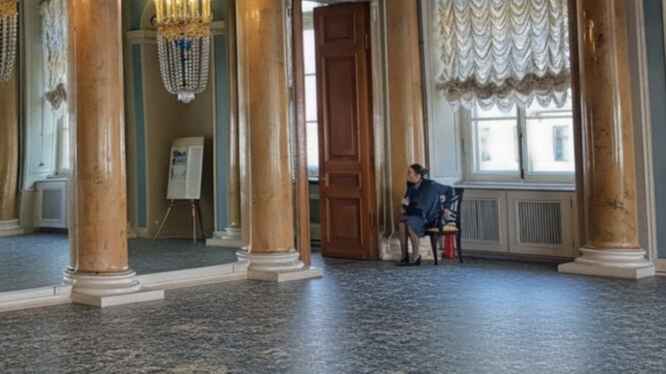
Busy museums can get noisy from footsteps, moving carts and groups of visitors. Excessive noise can disrupt the calm, reflective atmosphere needed to appreciate art and history.
Heterogeneous flooring absorbs impact sounds, reducing echoes and ambient noise. Galleries stay peaceful, helping visitors focus on exhibits.
In addition, this acoustic benefit enhances the overall experience, especially in educational spaces, auditoriums and interactive displays.
Accessibility ensures that all visitors, regardless of age or mobility, can move through the museum safely and comfortably. Uneven or slippery floors can create obstacles.
Accessibility benefits include:
By providing accessible flooring, museums improve safety and inclusivity while ensuring a seamless visitor experience. This encourages longer visits, leaves positive impressions and promotes repeat engagement from all audiences.
Certain areas in museums, such as entrances or cafes, are exposed to moisture. Spills or humidity can damage ordinary flooring, causing warping or stains.
Heterogeneous flooring resists moisture penetration, protecting both the floor and nearby exhibits. This capability is especially important in high-traffic or multi-use spaces where accidents may occur.
In addition, moisture resistance ensures long-lasting durability, lowers repair costs and maintains a clean, safe environment for visitors and staff.
Museums often change exhibitions, each with a unique theme and design requirements. Flooring should complement different styles without clashing with displays.
Heterogeneous flooring provides a variety of colors, finishes and textures. It can highlight exhibition areas, guide visitor flow or blend seamlessly with architectural elements.
This design flexibility ensures that flooring enhances the museum’s visual identity while remaining functional and durable.
Safety is a top priority in museums. Slippery or uneven floors can lead to accidents, especially in crowded galleries or during events.
Heterogeneous flooring offers excellent slip resistance and a stable walking surface. Its consistent texture reduces the risk of trips, falls and injuries.
In addition, safe flooring protects visitors, staff and exhibits, showing a museum commitment to professionalism and care.
Modern museums use interactive displays, VR stations, and digital installations that rely on stable flooring for proper operation. Floors that shift or warp can harm equipment and interrupt visitor experiences.
Heterogeneous flooring offers a firm, level surface capable of supporting heavy and sensitive digital equipment. This allows visitors to interact confidently with technology-based exhibits.
It also provides smooth transitions between traditional and digital displays, improving learning experiences and overall engagement. Stable flooring supports creative exhibition designs while maintaining durability and a professional appearance throughout the museum.
Museums work within strict budgets, making durable flooring a crucial choice. Frequent repairs or replacements can be costly and disruptive.
Heterogeneous flooring offers both durability and low maintenance, delivering long-term savings. Its extended lifespan reduces the need for replacements while easy upkeep lowers operational costs.
Investing in quality flooring helps museums maintain an attractive, functional environment while safeguarding exhibits and enhancing the visitor experience.
Air quality affects both visitor comfort and the preservation of artifacts. Floors that trap dust, allergens or release harmful compounds can harm the museum environment.
Heterogeneous flooring is made from low-emission, smooth materials that prevent dust buildup and inhibit mold growth. This helps maintain cleaner indoor air throughout galleries and event spaces.
Improved air quality protects the health of visitors and staff while reducing the risk of contaminating sensitive exhibits. Museums can effectively maintain both visitor safety and artifact integrity.
In addition, maintaining hygienic, safe air conditions enhances the overall experience and reinforces the museum professional standards.
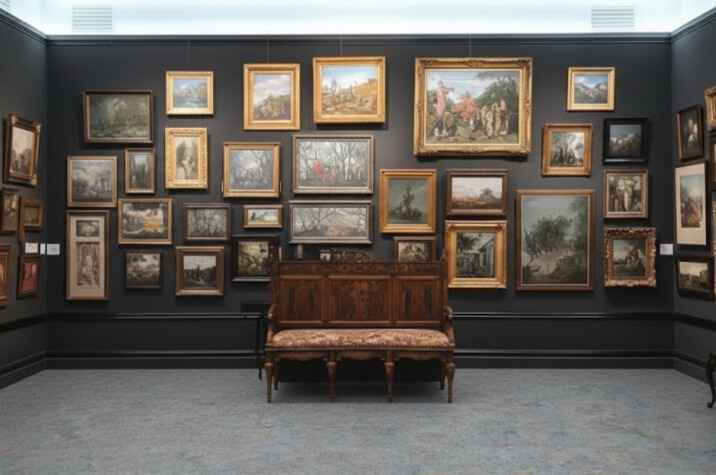
Safety is a top priority in museums that house priceless and irreplaceable artifacts. Floors must resist fire hazards and endure heat from lighting, electrical systems and HVAC units.
Heterogeneous flooring is made from fire- and heat-resistant materials, giving museum administrators peace of mind. Its multi-layered design prevents warping or ignition under high temperatures.
By reducing the risk of fire or heat damage, this flooring protects visitors, staff and exhibits while maintaining structural integrity.
Long-term resilience against heat and fire hazards makes heterogeneous flooring a reliable choice for galleries, storage areas, and multi-use museum spaces.
Museums need to maintain clean, polished floors without closing galleries, as downtime disrupts tours and visitor programs. Efficient cleaning is essential to keep spaces presentable.
Key advantages of heterogeneous flooring:
With easy-to-clean flooring, museums maintain a pristine environment while visitors explore exhibits uninterrupted. Staff can focus on curatorial and educational duties, ensuring professional operational standards are maintained.
Lighting is vital in museums to enhance the visual appeal of exhibits and highlight details. Floors must prevent glare and harsh reflections.
Heterogeneous flooring provides finishes that control light reflection, complementing natural and artificial lighting setups. This ensures exhibits are displayed under optimal visual conditions.
Consistent and optimized lighting helps visitors focus on artwork, artifacts and installations without distraction. The flooring supports curators in creating a visually cohesive and immersive museum environment.
A well-lit gallery with compatible flooring elevates visitor experience and protects sensitive materials from damage caused by light exposure.
Museums host events, workshops, lectures and educational programs in addition to exhibitions. Flooring must endure frequent and diverse activities while remaining safe and attractive.
Heterogeneous flooring withstands heavy foot traffic, equipment movement and occasional spills without losing its appearance or integrity. Its durability reduces maintenance and replacement needs.
This longevity ensures operational efficiency and cost-effectiveness for museums. Floors maintain safety, aesthetics and comfort across multiple functions, supporting professional and visitor-focused operations.
Durable flooring helps museums maintain their reputation for quality, allowing them to host varied programs with confidence and minimal disruption.
Sustainability is an increasing priority in museum design, as flooring choices affect environmental responsibility and energy efficiency.
Heterogeneous flooring uses eco-friendly materials, including recycled content or renewable resources, and generates minimal waste during production.
Sustainability benefits include:
Using eco-friendly flooring allows museums to align operations with modern environmental standards without sacrificing durability or aesthetics.
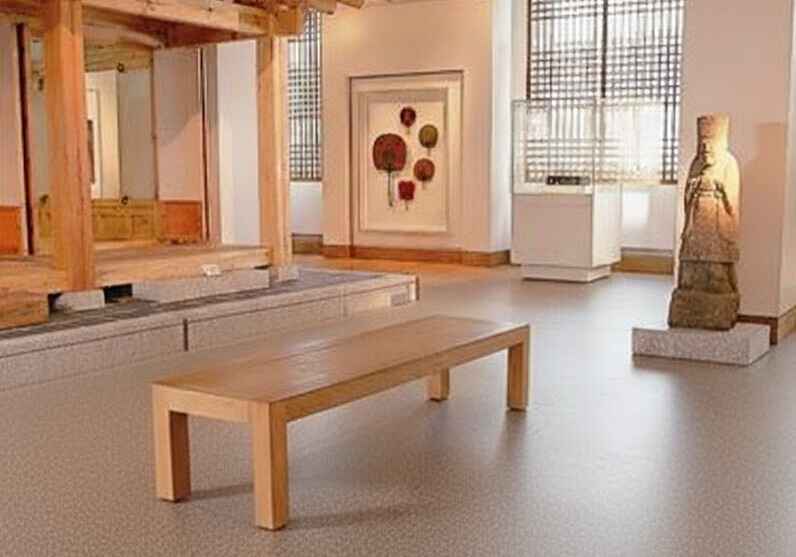
Heterogeneous flooring is an excellent choice for museums because it combines durability, low maintenance and a polished appearance suitable for high-traffic and multi-functional spaces. It enhances safety with slip-resistant surfaces, supports accessibility for all visitors and absorbs noise for a quieter environment. Its stable design allows seamless integration with interactive and digital exhibits, while eco-friendly options contribute to sustainable practices. Long-lasting and resilient, this flooring helps museums maintain a professional and visually appealing environment, ensuring visitor comfort and preservation of exhibits over time.
Longda Flooring is the leading heterogeneous vinyl sheet flooring manufacturer in China. Museums and library are one of our big markets too. It is very comfort, sould sbsorption, durable, easy to clean and maintain, fireproof and waterproof make it perfect for commercial flooring.
Answer: It offers durability, low maintenance and a polished look while making it ideal for high-traffic galleries and multi-functional spaces.
Answer: Yes, its stable, vibration-free surface safely accommodates VR stations, touchscreens and other technology-based displays.
Answer: Smooth, even and slip-resistant flooring ensures safe movement for wheelchairs, strollers and visitors with mobility needs.
Answer: Many options use recycled or renewable materials with low-waste production, supporting sustainable and green museum practices.
Answer: Its durable, layered structure withstands heavy foot traffic, equipment and events while ensuring long-term performance with minimal upkeep.
Copy right by Longda China