
Office flooring is a vital part of any professional environment. It supports daily employee movement, carries the weight of furniture and helps maintain smooth work operations. The right flooring improves comfort, lowers maintenance costs and increases workplace safety.
Modern offices require floors that withstand long hours of constant use while keeping a polished, professional look. Poor flooring can cause frequent repairs, higher costs and employee discomfort. Heterogeneous flooring addresses these challenges effectively. It offers durability, easy maintenance and a stylish appearance that suits any workspace. This type of flooring supports heavy traffic and keeps the office environment comfortable for employees.
In this blog, you will learn why heterogeneous flooring is considered ideal for office environments. We will also explore its performance, comfort, durability, design freedom and workplace safety while giving you a complete understanding of its advantages for modern offices.
Offices have constant movement throughout the day as employees walk between workstations, attend meetings and use communal areas. Floors need to withstand this traffic without showing wear.
Heterogeneous flooring is made with multiple layers that spread pressure evenly across the surface. This prevents heavy foot traffic from damaging or deforming the floor.
Its strong structure keeps the flooring reliable even in the busiest areas. High-traffic zones like corridors and reception areas maintain their appearance and functionality for many years.
Frequent replacement of office flooring disrupts operations and raises costs while making durability a key factor in choosing the right floor.
Heterogeneous flooring is built for long-lasting performance. Its wear layer protects against scratches, scuffs and everyday wear, even in high-traffic areas.
Offices can rely on this flooring for many years without major maintenance. Its durability keeps the workspace professional and consistent over time.
Appearance is important in office environments, especially in areas where clients, visitors and partners often enter. Flooring is a key part of the overall look and helps set the tone for the workspace. A well-chosen floor creates a polished, professional atmosphere, making a strong first impression and showing the company attention to detail.
Heterogeneous flooring keeps its color, texture and shine even with constant use. It resists stains, scratches and marks, keeping high-traffic areas clean and presentable. This durable, professional appearance reinforces a positive image, showing that the company values quality and maintains an organized, welcoming workspace for employees and visitors.
A healthy office environment needs floors that do not trap dust, allergens or bacteria. Poor flooring can harm indoor air quality.
Heterogeneous flooring has a smooth, sealed surface that reduces dust and allergen buildup. This helps create a cleaner workspace and supports employee health.
Regular cleaning is more effective, lowering the risk of respiratory or allergy problems and keeping the office hygienic.
Office furniture, such as desks, cabinets and conference tables, puts constant pressure on floors. Rolling chairs can cause dents or scratches on weaker surfaces, leading to damage and a worn look over time. In busy offices, this can quickly affect both functionality and appearance.
Heterogeneous flooring is designed to resist dents and surface damage with its layered construction. The weight is spread evenly across the floor, preventing permanent marks from chairs or heavy equipment. This makes it ideal for active workspaces, keeping floors smooth, durable and professional without frequent maintenance.
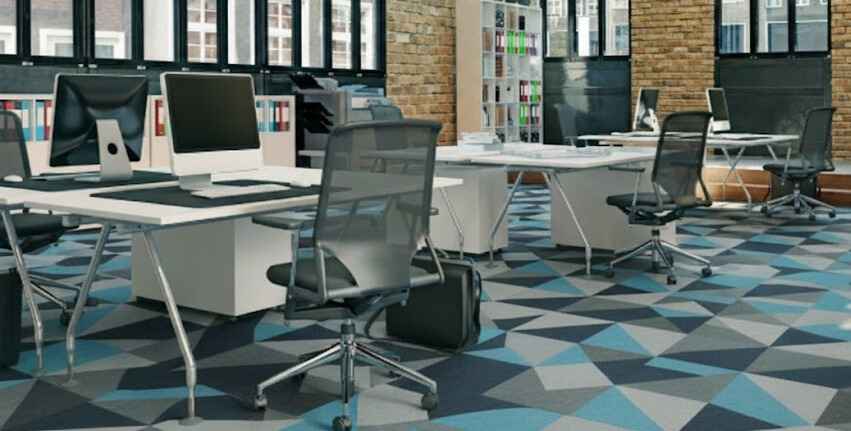
Offices often experience constant noise from footsteps, rolling chairs, printers and daily activities while making these sounds distracting and reducing employee focus and productivity. In open-plan layouts, excessive noise can affect multiple workstations while making sound management an important part of office design.
Heterogeneous flooring helps absorb impact noise from walking and moving chairs through its multi-layered construction. It dampens vibrations and prevents sound from spreading across rooms, creating a quieter, more comfortable workspace.
In addition, this flooring lowers ambient noise levels, supporting better communication, concentration and overall efficiency. Employees face fewer distractions, meetings run more smoothly and collaborative areas remain functional without disturbing quiet work zones.
Employee safety is a top priority in offices. Slippery or uneven floors increase the risk of accidents and injuries.
Heterogeneous flooring provides strong slip resistance and stable footing. This lowers the chance of falls, even in high-traffic areas or where liquids may occasionally spill.
In addition, a safer floor ensures compliance with workplace safety standards and protects both staff and visitors.
Maintaining a clean office floor is essential, but complex cleaning routines waste time and resources. Floors should be easy to maintain without special products.
Heterogeneous flooring can be cleaned with simple methods such as sweeping, vacuuming or mopping. Stains and dirt do not settle easily on its surface.
This easy maintenance saves time, lowers costs and helps offices maintain high hygiene standards effortlessly.

Cost efficiency is important for office projects, especially in large spaces or corporate buildings. Flooring should provide long-term value without frequent replacements.
Heterogeneous flooring offers a strong balance between initial investment and long-term performance. Its durability, low maintenance and resistance to wear help reduce repair costs over time.
In addition, it is a practical and sustainable choice for offices seeking reliable flooring that delivers consistent performance.
Heterogeneous flooring supports better energy management in offices. Its layered structure provides natural insulation that helps regulate indoor temperature.
By reducing heat loss in winter and limiting excessive cooling in summer, this flooring promotes energy savings. Proper insulation can lower utility bills for office buildings.
In addition, energy-efficient flooring enhances overall comfort. Employees enjoy a more consistent indoor temperature without relying entirely on HVAC systems.
Offices often have cleaning chemicals, printer inks and other liquids that may spill on floors. A resilient floor helps reduce damage and staining.
Heterogeneous flooring has a protective surface that resists many chemicals commonly used in workplaces. This helps maintain its appearance and hygiene even after accidental spills.
In addition, this resistance ensures long-lasting aesthetics and functionality, preventing costly repairs or replacements caused by chemical damage.
Modern offices are increasingly using underfloor heating systems to improve comfort. Flooring must handle heat without warping or degrading.
Heterogeneous flooring works well with most underfloor heating systems. Its construction allows heat to pass through efficiently while keeping its structure intact.
In addition, this compatibility makes it ideal for offices seeking advanced climate control without compromising floor durability or safety.
Employee comfort plays a major role in maintaining productivity in an office. Staff often spend long hours walking, standing or moving between workstations, which can be tiring on hard floors.
Heterogeneous flooring offers a firm yet slightly cushioned surface, reducing fatigue and discomfort during the day. A comfortable floor supports employee well-being and creates a more inviting, less stressful workspace, helping staff stay focused and energized.
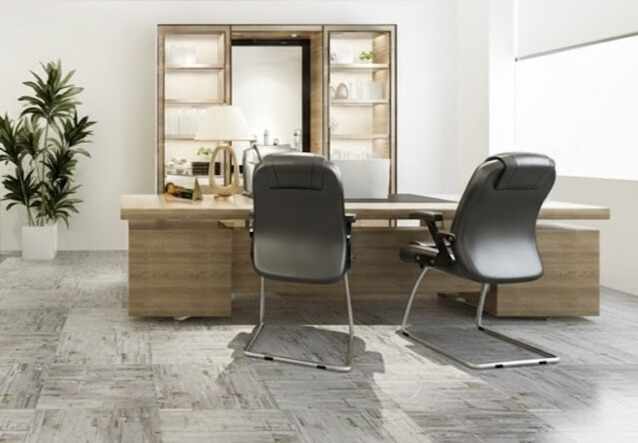
Moisture can damage many types of flooring, especially near kitchens, restrooms or entrances. Excess moisture may cause swelling or warping.
Heterogeneous flooring has water-resistant properties that prevent moisture from seeping in. This protects the floor’s core layers and maintains long-term durability.
In addition, its moisture resistance ensures that areas with higher humidity or occasional spills stay safe and functional without deterioration.
High-traffic office areas, such as corridors and break rooms, can cause employee fatigue if the flooring is hard or uncomfortable.
Heterogeneous flooring absorbs some impact from walking, offering a slightly cushioned feel. This reduces stress on joints and legs during long hours of movement.
In addition, employees stay more comfortable and energetic, particularly in areas with constant activity throughout the day.
Offices often reorganize workspaces to boost efficiency or support growth. Flooring must stay functional during these changes.
Heterogeneous flooring is flexible and can handle layout changes without damage. Desks, chairs and partitions can be moved without leaving marks or affecting performance.
In addition, this adaptability lets offices update layouts frequently while keeping a consistent, professional floor surface.
Flooring can affect office lighting and overall comfort. Highly reflective surfaces may create glare, which strains the eyes.
Heterogeneous flooring is available in textures and finishes that reduce reflection. This helps minimize glare from natural or artificial light.
In addition, improved visual comfort allows employees to work longer without eye strain, boosting productivity and focus in open-plan offices.
Office renovations and upgrades often need to be completed with minimal disruption to daily operations. Extended downtime can affect productivity and workflow, so selecting flooring that can be installed quickly is essential for busy office environments.
Heterogeneous flooring is designed for efficient installation with minimal preparation. Its modular sections can be laid accurately and securely without complex procedures or specialized tools, saving both time and labor costs.
In addition, this quick installation reduces business interruptions, allowing offices to resume normal operations sooner. Employees can continue working without long delays, and organizations can complete renovations efficiently while maintaining productivity.
Every office has a unique brand identity and interior style, and flooring plays a key role in reinforcing it.
Heterogeneous flooring offers customization in color, pattern and texture. Offices can align flooring with branding or interior themes without sacrificing durability.
In addition, customizable design provides an aesthetic advantage while maintaining the functional benefits of a high-quality flooring system.
Sustainable office design is becoming a top priority for modern businesses. Companies aim to lower their environmental impact while creating healthier workspaces, and flooring plays an important role in achieving these goals. Earning certifications such as LEED or BREEAM often requires careful material choices and eco-friendly construction practices.
Heterogeneous flooring comes in options made from environmentally responsible materials and sustainable production methods. Many products use renewable resources or can be recycled at the end of their life cycle, reducing waste and minimizing the office’s overall ecological footprint.
By choosing heterogeneous flooring, offices support environmental initiatives and show a commitment to corporate sustainability. This flooring helps businesses meet green building standards while creating a functional, attractive and eco-friendly workspace.
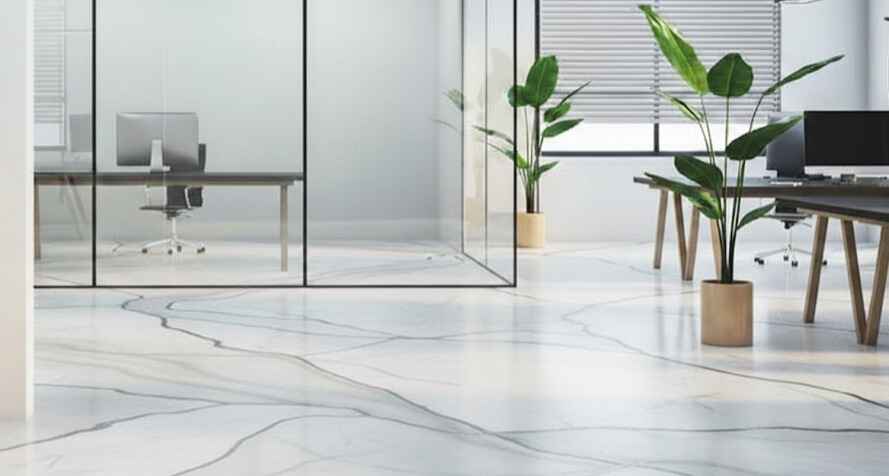
High-quality flooring adds to the overall value of office property. Well-maintained heterogeneous floors make spaces more appealing to buyers or tenants.
Durable, stylish and low-maintenance flooring reflects a well-cared-for property. Prospective buyers or tenants view it as a long-term investment.
In addition, choosing heterogeneous flooring helps offices improve daily operations while increasing the property’s value for future resale or leasing opportunities.
Heterogeneous flooring provides a complete solution for modern office environments. Its durability, comfort and design flexibility make it ideal for areas with heavy foot traffic and frequent furniture movement. Offices benefit from lower maintenance costs, long-lasting aesthetics and a safer workplace for employees and visitors. Combining functionality with a professional appearance ensures workspaces remain productive and visually appealing over time.
In addition, heterogeneous flooring supports sustainability, energy efficiency and noise reduction, creating a healthier and more comfortable working environment. With options for customization and fast installation, it adapts easily to changing office layouts and design needs. Overall, it is a smart investment that enhances both operational efficiency and the long-term value of office properties.
Longda Flooring is the largest vinyl sheet manufacturer in China. Currently we have more than 300+ colors of heterogeneous vinyl sheet. And we also offer custom printing for the flooring which makes it is possible for any of the designs. We ship about 1 million square meters annually to office applications.
Answer: Heterogeneous flooring is a multi-layered system built for durability and performance. It features a wear-resistant top layer combined with supportive core layers, providing stability, comfort and long-lasting use in high-traffic areas.
Answer: Yes, it is specifically designed to handle the weight of heavy desks, chairs, cabinets and other office equipment. Its layered structure spreads the weight evenly while preventing dents or surface damage.
Answer: Absolutely. The smooth, sealed surface allows easy cleaning using standard methods such as sweeping or mopping. It resists dirt, stains and dust buildup while making maintenance quick and cost-effective.
Answer: Yes. Heterogeneous flooring provides slip resistance and stable footing while reducing the risk of accidents. Its durable surface also prevents uneven areas that could cause tripping hazards.
Answer: Yes. It is available in a wide range of colors, patterns and textures, allowing offices to match flooring with branding or interior themes while still providing functional benefits.
Copy right by Longda China