
Cleaning chemicals play an important role in keeping flooring clean and hygienic. However, different cleaning products can affect flooring in different ways. Some cleaners are mild and suitable for regular maintenance, while others contain strong chemical ingredients designed to remove difficult stains, disinfect surfaces, or handle heavy contamination. When these stronger products are used incorrectly, they may affect the appearance and surface performance of the flooring.
Homogeneous vinyl sheet flooring is a durable flooring solution with a uniform composition throughout its thickness. This construction provides consistent performance and makes it suitable for areas that require regular cleaning. It can withstand many substances commonly used during routine maintenance, but chemical resistance does not mean the flooring is unaffected by every strong chemical. The type and concentration of the chemical, along with the length of time it remains on the surface, can all affect the result.
In this article, we will explain what can happen when homogeneous vinyl flooring comes into contact with strong cleaning chemicals. We will also discuss how chemical concentration, contact time, and chemical type can affect the flooring.
Flooring can come into contact with cleaning products regularly throughout its service life. In areas that require frequent cleaning, it may be exposed to different detergents, disinfectants and other maintenance products. This makes chemical resistance an important factor when selecting a flooring material.
Homogeneous flooring offers good resistance to many substances used during routine cleaning. Its uniform construction provides a consistent surface that can withstand regular maintenance and everyday use. This makes it a practical option for areas where cleaning is an important part of maintaining flooring performance.
However, chemical resistance has its limits. A flooring material may tolerate many commonly used cleaning products but still react to highly aggressive chemicals or incorrectly prepared solutions. Understanding these limits can help prevent unnecessary damage and support better long-term maintenance.
The concentration of a cleaning chemical can significantly affect how it interacts with a flooring surface. A properly diluted product provides the cleaning power intended by the manufacturer while keeping the chemical strength under control.
Using a stronger mixture may seem helpful when dealing with difficult dirt or stains. However, a higher concentration does not always provide better cleaning results. Instead, it can increase chemical stress on the flooring surface. This becomes more important when the same cleaning method is used repeatedly. Frequent exposure to an unnecessarily strong solution may gradually affect the surface. Following the recommended dilution helps provide effective cleaning while reducing unnecessary chemical exposure.
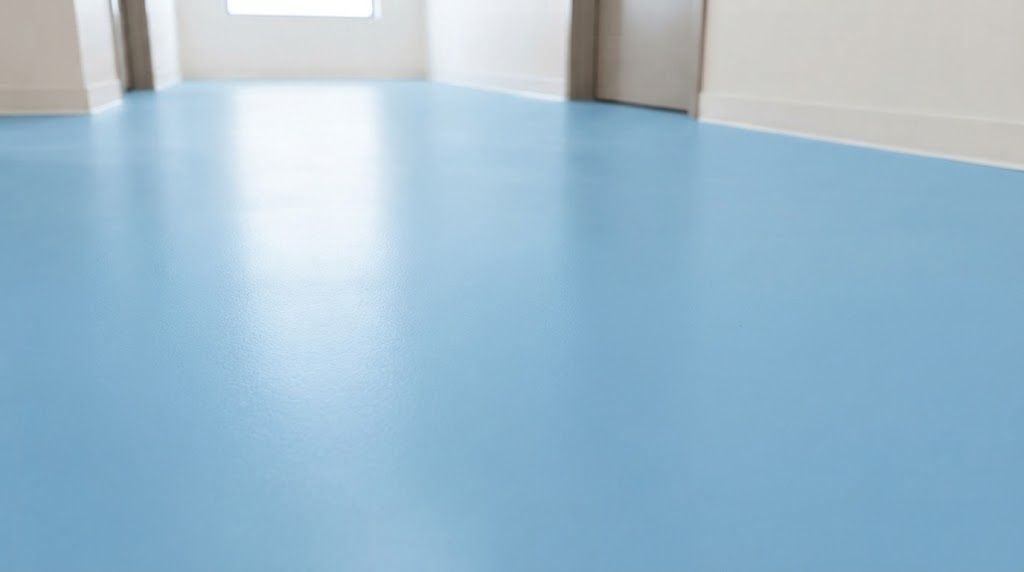
When a strong cleaning chemical comes into contact with homogeneous vinyl sheet flooring, its effect depends on the type of chemical and the conditions of exposure. An unsuitable product may affect the surface appearance and potentially cause changes such as dullness, discoloration, or an altered finish.
The risk can increase when a concentrated product is applied directly to the flooring. Many cleaning products are designed to be diluted before use. Applying them at full strength can expose the flooring to a much higher concentration of active ingredients than intended. This does not mean that every strong chemical will damage homogeneous vinyl flooring. The actual result depends on chemical compatibility, concentration and exposure conditions. Using a suitable product according to its instructions is therefore important for protecting the flooring.
Contact time refers to how long a cleaning chemical remains on the flooring surface. It is an important part of chemical exposure because the interaction between the chemical and the flooring may increase when the product stays on the surface longer than intended.
Some cleaning products are designed to remain on a surface for a specific period before being removed. If a strong chemical is left on homogeneous vinyl sheet flooring for much longer than recommended, it may create unnecessary chemical exposure.
A controlled cleaning process helps reduce this risk. The appropriate product should be applied correctly, allowed to work for the recommended time and then removed according to the cleaning instructions. This supports effective maintenance while reducing unnecessary chemical contact.
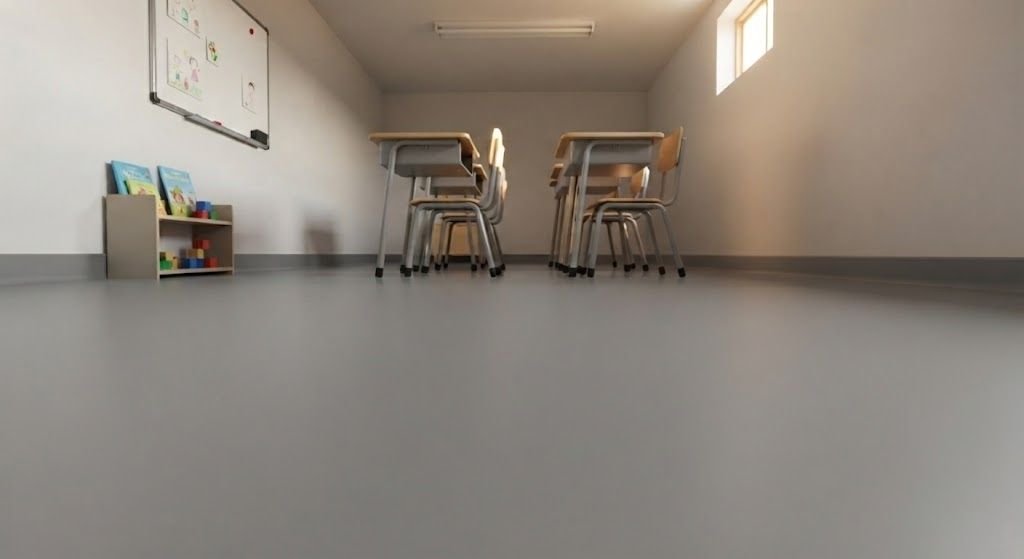
A single chemical exposure does not always show the full effect of a cleaning practice. Flooring may be cleaned many times throughout its service life, so repeated exposure can become an important consideration.
If an unsuitable chemical is regularly used at an excessive concentration, repeated exposure may gradually affect the surface. This is why simply choosing a stronger cleaner is not always a reliable way to achieve better maintenance.
A consistent cleaning routine can help control this risk. Using the correct product, preparing it at the recommended concentration, and following the proper application procedure can reduce unnecessary chemical stress on homogeneous vinyl sheet flooring.
Strong chemicals are not the only concern during cleaning. The way a cleaning product is applied can also affect the condition of homogeneous vinyl flooring. Using rough pads, hard brushes, or unsuitable cleaning equipment can place unnecessary physical stress on the surface.
Abrasive cleaning can create fine marks that may become more noticeable with repeated maintenance. These marks can affect the overall appearance and make the surface look less uniform over time. The issue may not be caused by the chemical itself but by the combination of chemical cleaning and aggressive mechanical action. Using cleaning equipment suitable for vinyl flooring provides a gentler approach. The aim should be to remove dirt effectively without creating unnecessary friction on the surface. This helps maintain the smooth and consistent appearance of homogeneous vinyl sheet flooring during regular maintenance.
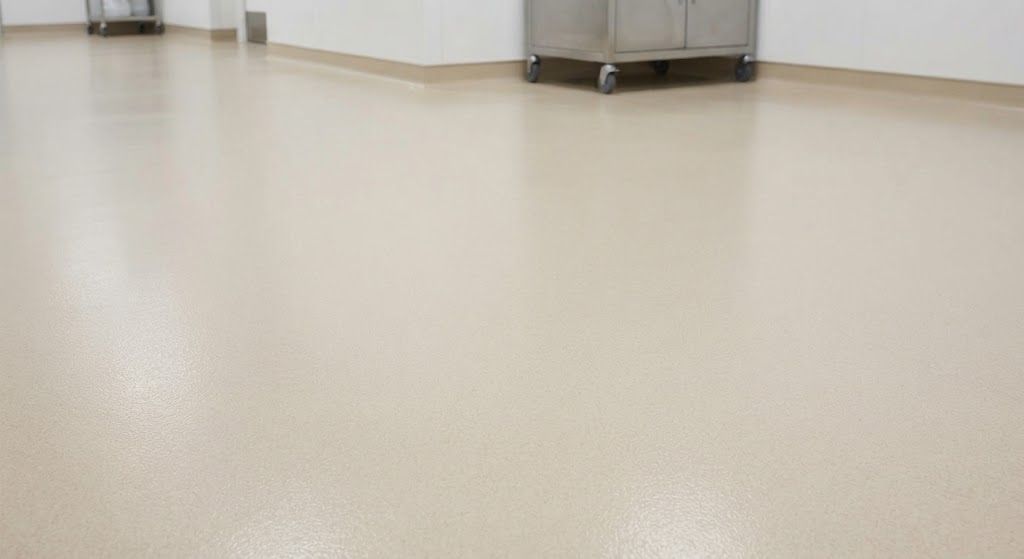
Different chemicals can have very different effects on vinyl flooring. Their ingredients, chemical strength, and intended use all influence how they interact with the surface.
Acidic cleaners, alkaline products, solvents, oxidizing substances, and certain disinfectants should not be treated in the same way. Even products designed for similar cleaning tasks may contain different ingredients and may therefore have different levels of compatibility with the flooring. For homogeneous vinyl sheet flooring, it is better to check the specific cleaning product before use rather than judging it only by its general purpose. Manufacturer recommendations can provide useful guidance when selecting stronger or unfamiliar cleaning products.
One possible result of exposure to an unsuitable chemical is a change in the flooring’s appearance. Depending on the chemical involved, the surface may develop dull areas or changes in color.
The extent of any change depends on several factors. Chemical concentration, exposure time, the type of substance and the condition of the flooring can all influence the outcome.
Homogeneous sheet vinyl flooring is valued for its consistent appearance and durable surface. Proper cleaning practices can help maintain these qualities. Using compatible products and avoiding unnecessary exposure to aggressive chemicals can help preserve the flooring’s appearance over time.
A suitable cleaning routine should focus on consistency rather than aggressive treatment. The goal is to keep the flooring clean while reducing unnecessary exposure to products or methods that may affect its condition.
These include:
This approach gives cleaning teams a clear way to maintain the flooring without relying on excessive chemical strength. It also helps distinguish routine maintenance from specialist cleaning tasks that may require additional guidance.
Homogeneous vinyl sheet flooring can provide a durable and practical surface when maintained correctly. Strong cleaning chemicals do not always need to be avoided, but they should be used carefully and only when appropriate. Combining suitable products with proper equipment and consistent maintenance practices can help preserve the flooring’s appearance and performance for longer.
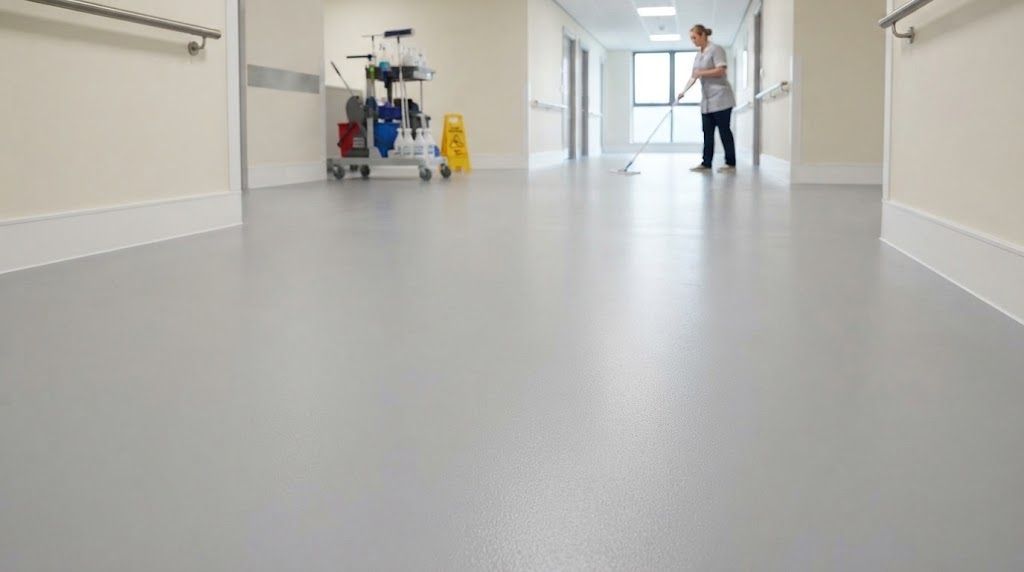
Homogeneous vinyl flooring can provide strong and reliable performance when maintained with suitable cleaning products and proper methods. Its durable construction makes it a practical flooring choice for areas that require regular cleaning, but careful maintenance is still important to protect its surface and overall condition.
With the right cleaning routine, suitable products, and proper maintenance, this flooring can retain its appearance and performance for a long time. Consistent care helps reduce unnecessary chemical exposure while supporting the durability and practical benefits that make homogeneous vinyl sheet flooring a dependable flooring solution.
Longda Flooring is the largest vinyl sheet flooring manufacturer from China. The biggest market for our flooring is hospital. The strong performance on anti-bacterial, fungicidal, seamless, chemical resistant, super durable and fireproof are making it perfect for hospital flooring.
Answer: Homogeneous vinyl flooring is designed to provide good resistance to many substances used during regular cleaning, but it is not completely unaffected by every strong chemical. The result depends on several factors, including the chemical formulation, concentration, contact time and cleaning method. A product that is suitable when properly diluted may have a different effect if it is used at a much higher concentration or left on the surface for an extended period. Repeated exposure to unsuitable chemicals can also gradually affect the appearance or surface condition of the flooring. For this reason, strong cleaning products should not be selected only because they provide powerful cleaning action. Their compatibility with the flooring should be checked before use, and the manufacturer’s cleaning recommendations should be followed carefully. With suitable chemical selection and controlled application, homogeneous vinyl sheet flooring can continue to provide durable and reliable performance in areas where regular cleaning is required.
Answer: Disinfectants can be used on homogeneous vinyl sheet flooring when the specific product is suitable for the flooring and applied according to the recommended instructions. Different disinfectants contain different active ingredients, so their effects on flooring can vary. A disinfectant that is compatible at the recommended concentration may become more aggressive if it is mixed too strongly or used more frequently than intended. Contact time also matters because leaving a disinfecting solution on the surface longer than recommended can increase chemical exposure. For regular maintenance, the cleaning team should select a disinfectant approved or recommended for use with the flooring and carefully follow the product’s dilution and application instructions. Proper use allows the disinfectant to perform its intended function while reducing unnecessary exposure that could affect the flooring’s appearance or surface condition over time.
Answer: When a cleaning chemical remains on homogeneous vinyl sheet flooring longer than the recommended contact period, the surface is exposed to the chemical for an extended time. Depending on the chemical formulation and concentration, this may increase the risk of changes to the flooring’s appearance or surface condition. Prolonged exposure does not affect every cleaning product in the same way, which is why following the instructions for the specific product is important. Leaving a strong solution on the surface for an extended period to achieve greater cleaning power can create unnecessary risk without necessarily providing better results. The recommended contact time is generally intended to give the product enough time to work effectively while keeping chemical exposure under control. Once the recommended cleaning period has passed, the solution should be removed according to the proper procedure. This controlled approach helps maintain the condition and appearance of homogeneous vinyl flooring during regular maintenance.
Answer: Chemical stains on homogeneous vinyl sheet flooring should be treated carefully because applying another strong chemical without identifying the cause of the stain can create additional problems. When possible, the first step is to identify the substance that caused the mark and then select a cleaning method suitable for both the stain and the flooring. Using excessive chemical strength or rough cleaning equipment can affect the surface instead of simply removing the stain. A compatible cleaning product should be used according to its instructions, with enough time to work without unnecessary prolonged exposure. Mechanical cleaning should also be controlled to prevent excessive friction from creating additional surface marks. If the chemical involved is unknown, highly aggressive, or has already caused a visible change to the flooring, it is better to seek guidance from the flooring manufacturer or a qualified maintenance professional before trying different cleaning products. A careful approach can help prevent a difficult stain from becoming a larger flooring problem.
Answer: Homogeneous vinyl flooring can be protected from unnecessary chemical damage through a consistent maintenance system based on suitable products and proper cleaning procedures. Cleaning teams should select products that are compatible with the flooring rather than automatically choosing the strongest available chemical. The recommended dilution should be followed accurately because using a concentrated solution can increase chemical exposure without necessarily improving cleaning performance. Contact time should also remain within the recommended range, and cleaning residues should be removed properly after treatment. Suitable cleaning equipment should be used instead of aggressive tools that can create unnecessary physical stress on the surface. Staff should also understand that different cleaning chemicals can affect the flooring in different ways, so unfamiliar products should be checked before being added to the regular maintenance routine. When these practices are followed consistently, homogeneous vinyl sheet flooring can maintain its durable surface, clean appearance, and reliable performance while reducing the risks associated with incorrect chemical use.
Copy right by Longda China