
Flooring plays an important role in the performance, safety and overall experience of any built environment. In commercial and healthcare settings, selecting the right flooring involves more than appearance, focusing also on durability, hygiene and long-term reliability. Architects carefully assess materials that can withstand heavy use while maintaining their quality and consistent look over time.
Homogeneous vinyl sheet flooring has become a preferred option in many modern projects because of its strong performance and consistent structure. This material offers a uniform composition throughout its thickness, which allows it to maintain its appearance even after years of use. Its ability to perform under demanding conditions makes it suitable for spaces where reliability is essential.
In this article, we will explain what architects consider when selecting homogeneous vinyl flooring. We will also cover key factors such as durability, hygiene, maintenance, safety, installation and long-term value.
Homogeneous vinyl sheet flooring is made as a single-layer material, with a consistent composition from top to bottom. This design ensures the flooring retains its performance even after years of continuous use. Unlike layered materials, it does not depend on a surface coating for strength.
The uniform composition provides excellent stability, allowing the flooring to withstand pressure, friction and heavy traffic. This makes it ideal for demanding environments where performance is essential.
Architects view structural integrity as an important factor because it directly impacts the lifespan of the flooring. A well-constructed material ensures long-term reliability and lowers the risk of early failure.
Durability is one of the main factors architects consider when choosing flooring materials. In areas with constant movement, the floor must withstand pressure, friction and impact without deteriorating over time.
Homogeneous vinyl flooring performs well in high-traffic spaces because its composition is consistent from top to bottom. This uniform structure helps it resist wear more effectively than many other flooring types.
Architects prioritize long-term performance over short-term appearance. A durable floor reduces the need for frequent replacement and ensures the space remains functional without interruptions.
Maintaining a consistent appearance is important in many professional settings. Scratches, stains, and fading can reduce the visual quality of a space and create a poor impression.
Homogeneous vinyl has the same shade throughout its full thickness, so surface damage does not noticeably affect its look. Minor scratches remain less visible because the same shade continues underneath.
Architects select this material when long-term visual consistency is needed. It helps keep a clean and professional appearance even in high-use areas.
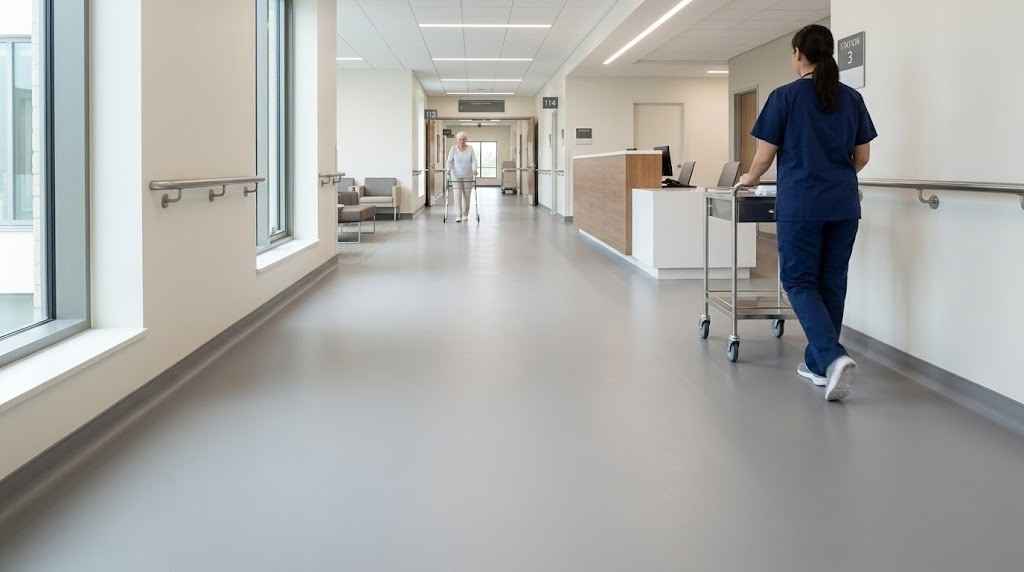
Flooring in busy areas must endure constant foot traffic and the movement of equipment without losing its quality. Resistance to abrasion is a crucial factor when selecting the right material, as it directly affects the floor’s lifespan and overall performance.
Homogeneous vinyl flooring offers excellent wear resistance because it has no separate decorative layer that can be easily damaged. Its uniform composition ensures that the entire material contributes to strength and durability, allowing it to withstand heavy use over time.
This makes it highly suitable for environments exposed to continuous stress, including commercial, healthcare and high-traffic public areas. Architects rely on this property to ensure the flooring performs reliably under demanding conditions while maintaining its appearance and functionality.
Seamless flooring is essential for maintaining hygiene and safety. Gaps and joints can trap dirt, moisture and contaminants, causing long-term problems.
Homogeneous vinyl sheets can be heat-welded to create a smooth, continuous surface. This reduces visible joints and helps prevent contamination.
Architects often choose this feature for areas where cleanliness is needed. A seamless floor enhances both performance and ease of maintenance.
Architects often evaluate how homogeneous vinyl flooring performs compared to other popular flooring options. The table below offers a clear and concise comparison to highlight its advantages and limitations.
Feature | Homogeneous Vinyl Sheet | Heterogeneous Vinyl | Ceramic Tiles | Rubber Flooring |
Structure | Single, uniform layer | Multiple layers | Solid material | Solid material |
Durability | High | Moderate | High but brittle | High |
Maintenance | Easy | Moderate | Moderate | Easy |
Repair Options | Can be restored | Limited | Difficult | Moderate |
Comfort Underfoot | Moderate | Moderate | Low | High |
Installation | Seamless possible | Layer based | Joint based | Seam based |
Cost Over Time | Cost effective | Moderate | High | Moderate |
This table demonstrates why homogeneous vinyl sheet flooring is favored in professional and commercial areas. It combines durability, easy maintenance, and long-term value, making it a dependable choice for architects and designers.
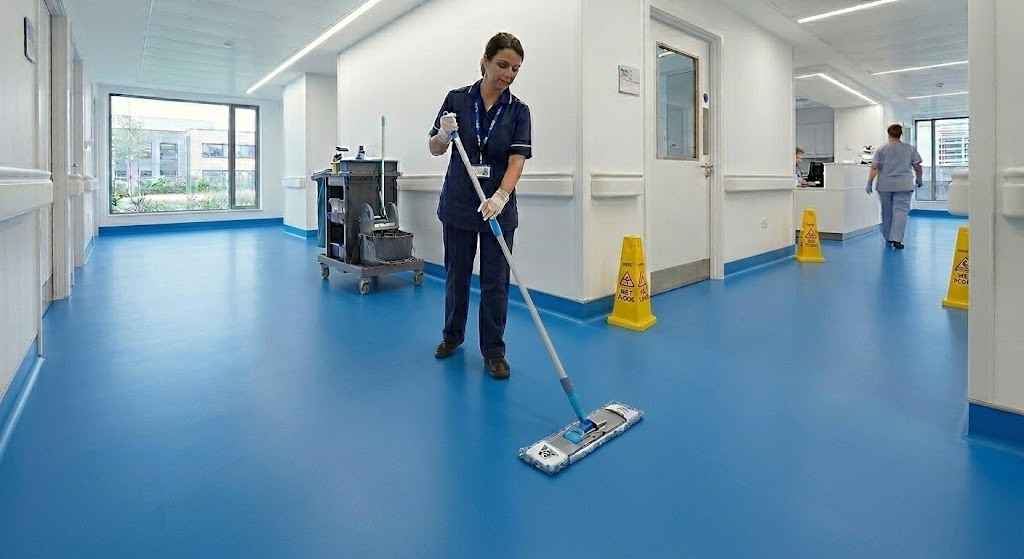
Hygiene is an important consideration in many projects, particularly in healthcare and commercial spaces. Floors need to be easy to clean and should not allow bacteria or contaminants to grow.
Homogeneous vinyl flooring has a non-porous surface that resists stains and prevents moisture absorption, making cleaning simple and effective. Architects choose materials that meet strict cleaning standards. A hygienic floor helps create a safer and healthier environment for occupants.
Sustainability is a key focus in modern construction. Architects prefer materials that support environmentally responsible practices and minimize the impact on natural resources.
Homogeneous vinyl flooring is often made to meet environmental standards, with low emissions and recyclable content. Many products are produced using methods that reduce waste and save energy.
Certifications play a key role in choosing materials. Architects check environmental labels to ensure the flooring aligns with green building goals and promotes a healthier indoor environment.
Safety is an important priority in all building projects. Flooring should help reduce the risk of slips and falls, especially in high-traffic areas.
Homogeneous vinyl flooring can include slip-resistant features to enhance safety. This helps prevent accidents and supports safe movement throughout the area.
Architects carefully assess safety features to ensure the flooring meets standards and provides a secure environment.
In many areas, flooring is exposed to chemicals, cleaning agents and spills. Materials that cannot resist these substances may deteriorate quickly, leading to higher maintenance costs and reduced lifespan. Choosing a flooring material with strong chemical and stain resistance is essential for maintaining both performance and appearance.
Homogeneous vinyl flooring offers excellent resistance to chemicals and stains due to its dense and uniform composition. It can handle frequent cleaning and exposure to harsh substances without losing quality or structural integrity.
This makes it a dependable choice for areas that require regular sanitation, including healthcare facilities, laboratories and other high-use spaces. Architects consider this property crucial for ensuring long-term performance and reliability, allowing spaces to remain functional and visually consistent over time.
Maintenance needs directly affect the long-term cost and usability of flooring. Materials that require complicated care can create operational challenges.
Homogeneous vinyl flooring is easy to maintain using simple cleaning methods. If the surface is damaged, it can often be repaired rather than fully replaced.
Architects prefer solutions that reduce maintenance effort. Easy repair options help extend the lifespan of the flooring and improve cost efficiency.
Indoor air quality is a main factor in creating safe and comfortable areas. Flooring materials can affect air quality depending on their composition and emissions.
Homogeneous vinyl flooring is often made with low-emission properties. This helps reduce the release of harmful substances and supports a cleaner indoor environment.
Architects choose materials that enhance air quality because it directly affects occupant health and comfort. Good air quality also improves the overall usability of the area.
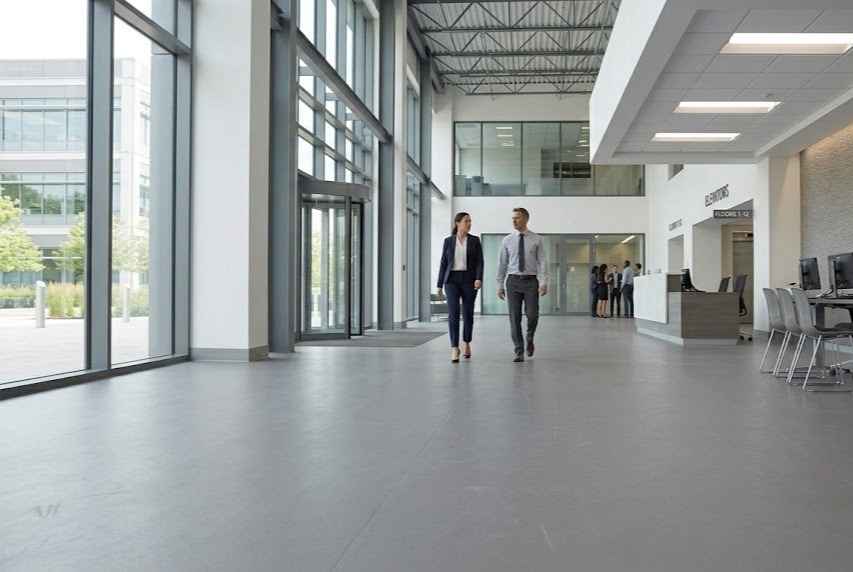
Noise control is important in areas where sound needs to be managed carefully. Flooring can help reduce impact noise and improve acoustic comfort.
Homogeneous vinyl flooring offers moderate sound absorption, which helps lower noise from foot traffic and movement. This creates a quieter and more comfortable environment.
Architects take acoustic performance into account when designing spaces that require reduced noise levels. This feature enhances user experience and supports better functionality.
Visual design is an important aspect of architectural planning. Flooring should complement the overall theme and provide flexibility for different styles.
Homogeneous vinyl flooring comes in a wide range of colors and patterns. This allows architects to design areas that meet specific project requirements without compromising performance.
Its ability to maintain color consistency over time adds value to design decisions. Architects use this flexibility to create clean and professional environments.
The condition of the subfloor plays a major role in the success of any flooring installation. Uneven, unstable, or improperly prepared surfaces can compromise the performance, appearance, and durability of the flooring, leading to potential issues over time.
Homogeneous vinyl flooring requires a properly prepared subfloor to achieve a smooth, long-lasting and visually consistent finish. Architects carefully evaluate subfloor compatibility, including flatness, moisture levels, and structural stability, before selecting the material for a project.
This careful approach helps prevent installation problems, reduces the risk of premature wear and ensures long-term performance. A stable and well-prepared base allows the flooring to remain effective, durable and visually appealing for many years, even in high-traffic or demanding environments.
Time management is critical in construction projects. Delays in installation can impact overall timelines and increase costs.
Homogeneous vinyl sheet flooring allows efficient installation when proper methods are used. Its sheet format can cover large areas quickly, reducing installation time.
Architects choose materials that support faster project completion. Efficient installation helps meet deadlines and improves overall project management.
Initial cost is critical, but architects also consider the total cost over the flooring’s lifespan, including maintenance, repair and replacement expenses.
Homogeneous vinyl flooring provides strong value due to its durability and low maintenance requirements. It reduces the need for frequent replacements, lowering long-term costs.
This lifecycle approach helps architects make practical decisions. A cost-effective material ensures a better return on investment over time.
Different areas have varying performance needs. Some require flooring that can handle constant movement without losing quality.
Homogeneous vinyl flooring is commonly used in high-traffic areas because of its durability and uniform structure. It performs well under demanding conditions where other materials may wear out quickly.
Architects choose this flooring for long-term reliability. It helps keep the area functional and visually consistent over time.
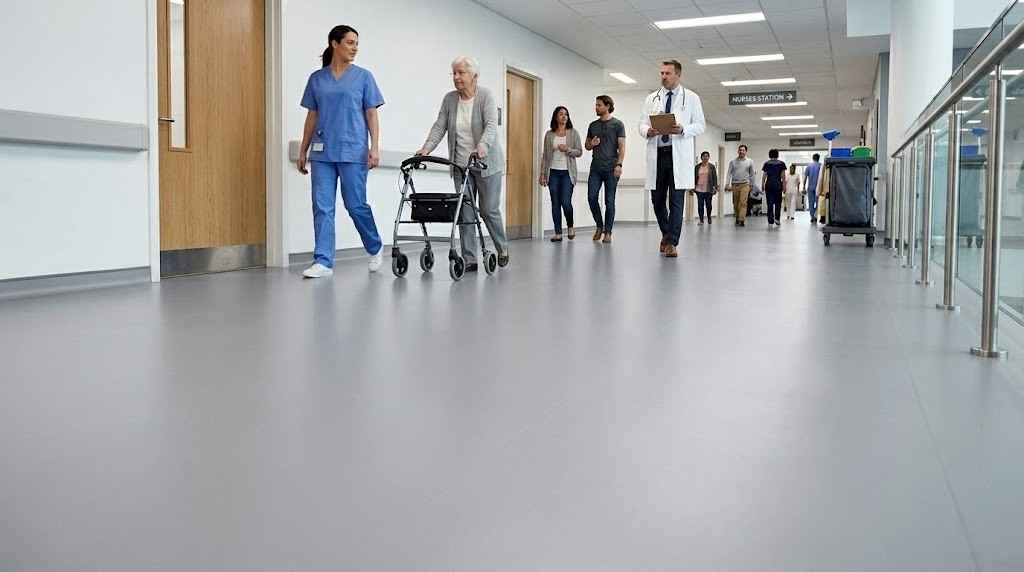
Choosing the right homogeneous vinyl flooring requires careful consideration of factors beyond appearance. Architects focus on performance, durability, safety and long-term efficiency to ensure the flooring meets the demands of various environments. From structural strength to environmental impact, every detail matters in making the right choice.
A well-selected flooring solution supports both functionality and design without causing future maintenance or performance problems. Homogeneous vinyl sheet flooring remains a reliable option because it offers consistency, adaptability and strong overall value. By evaluating all key aspects during selection, architects can ensure the flooring provides dependable results for many years.
Longda Flooring is the leading homogeneous vinyl flooring supplier in China. Currently we are working with many architects and designers. The homogeneous advantages and our company quality make our flooring popular for them.
Answer: Homogeneous vinyl sheet flooring is made from a single-layer material with a uniform composition throughout its thickness. This helps it maintain both appearance and performance over long-term use, unlike layered flooring systems.
Answer: Architects choose this flooring for its durability, low maintenance and consistent performance. It is ideal for areas where long-term reliability and easy upkeep are essential.
Answer: Yes, it is highly suitable for high-traffic areas. Its strong structure enables it to withstand continuous movement while maintaining quality and appearance over time.
Answer: The non-porous surface prevents dirt and moisture from penetrating the material. This makes cleaning easier and supports higher hygiene standards in various areas.
Answer: Yes, it is considered cost-effective due to its long lifespan and low maintenance needs. This reduces the need for frequent repairs or replacement, saving costs over time.
Copy right by Longda China