
Modern spaces need flooring that can withstand continuous use, daily activity and changing environmental conditions. In areas such as offices, healthcare facilities, educational buildings and public spaces, floors must remain durable, safe, and visually appealing for many years. Choosing the right flooring material is essential for maintaining both functionality and the overall design quality of a building.
Heterogeneous vinyl flooring has become a preferred option in many commercial and institutional spaces due to its high performance and versatile design options. It features a multi-layer construction that combines durability, comfort and visual flexibility. These characteristics make it ideal for areas with constant foot traffic and where easy maintenance is important.
In this blog, we will explain the main factors to consider when choosing heterogeneous vinyl sheet flooring. We will also explore important aspects that affect durability, comfort, safety and overall performance, helping you make an informed flooring choice.
Heterogeneous vinyl sheet flooring is made with multiple layers that work together to enhance durability and functionality. Each layer has a specific role that adds to the floor’s strength and stability. This layered design is a key reason why this flooring performs well in demanding environments.
The top wear layer protects the floor from scratches, stains and daily wear caused by heavy foot traffic. Underneath, the decorative layer provides the visual design and allows the flooring to replicate materials such as stone or wood patterns. These layers ensure a balance between protection and appearance.
In addition, the core layer beneath the decorative layer adds structural stability and impact resistance. Some products also include a backing layer to improve comfort and absorb sound. Together, these layers form a flooring system that is both durable and visually attractive.
Durability is a major reason many organizations select heterogeneous vinyl sheet flooring. Floors in commercial spaces face constant pressure from foot traffic, equipment movement and shifting furniture.
This flooring is designed to resist wear, scratches and surface damage. The protective wear layer works with the dense core layer to withstand heavy use without losing its appearance. As a result, heterogeneous vinyl floors can stay in good condition for many years when properly maintained.
Reliable durability ensures that the flooring remains both functional and visually appealing, even in areas with continuous activity.
The wear layer is a vital component of heterogeneous vinyl flooring. This transparent protective layer on the surface shields the floor from scratches, stains and daily abrasion.
Thicker wear layers generally offer better protection and a longer lifespan. Commercial-grade heterogeneous vinyl often features wear layers between 0.3 mm and 0.7 mm, allowing the flooring to handle heavy foot traffic without showing damage.
Selecting the right wear layer thickness depends on the activity level in the area. Spaces with frequent movement need thicker protection to preserve both the appearance and durability of the floor over time.
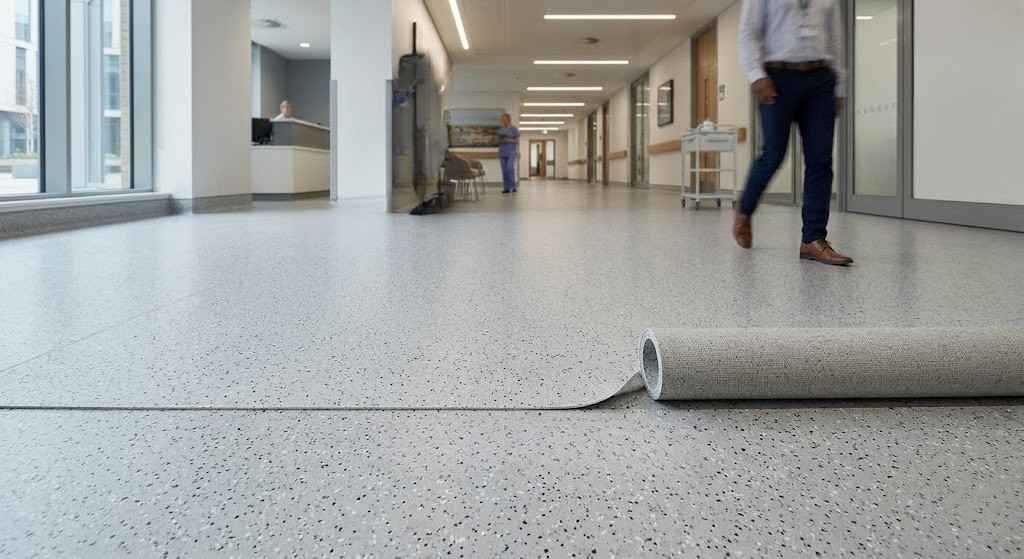
Comfort is important in areas where people spend long hours walking or standing. Heterogeneous vinyl flooring often includes cushioning layers that enhance the walking experience.
These layers offer slight flexibility and reduce pressure on the feet compared to harder flooring materials. This added comfort can make a noticeable difference in workplaces and public spaces where people are active throughout the day. Comfortable flooring also supports a better user experience and can help improve productivity in work environments.
The installation method greatly influences the performance of heterogeneous vinyl flooring. Installing heterogeneous vinyl requires careful handling because large continuous pieces must be placed accurately across the floor.
Professional installation of heterogeneous vinyl sheet flooring ensures that seams are properly aligned and bonded. Correct seam welding creates a strong connection between sheets, enhancing both durability and hygiene. Proper installation also improves the overall appearance of the floor.
Using experienced installers for heterogeneous vinyl flooring reduces the risk of errors. Skilled professionals know how to handle large sheets, adhesives and finishing details to achieve the best results.
Noise control is an important consideration in many indoor spaces. Hard surfaces can reflect sound and increase noise levels, which may affect productivity or concentration.
Many heterogeneous vinyl sheet flooring products include acoustic backing layers that help absorb sound. These layers reduce footstep noise and contribute to a quieter indoor environment.
Sound reduction is particularly beneficial in areas where a calm and focused atmosphere is important for daily activities.
Moisture resistance is another key advantage of heterogeneous sheet vinyl. Its non-porous surface prevents water from seeping into the flooring, helping to maintain durability.
This resistance allows the flooring to withstand occasional spills or high humidity without swelling or warping, making it a reliable choice for areas exposed to moisture. Effective moisture resistance also extends the life of heterogeneous vinyl flooring and reduces the risk of structural damage.
Maintenance needs often play an important role in flooring decisions. Some materials require complex cleaning or frequent treatments to maintain their appearance.
Heterogeneous vinyl sheet flooring is designed for easy maintenance. Its smooth, non-porous surface prevents dirt and stains from soaking into the material. Regular sweeping and damp cleaning are usually sufficient to keep the floor in good condition.
These low maintenance requirements help reduce cleaning effort and lower operational costs over time.
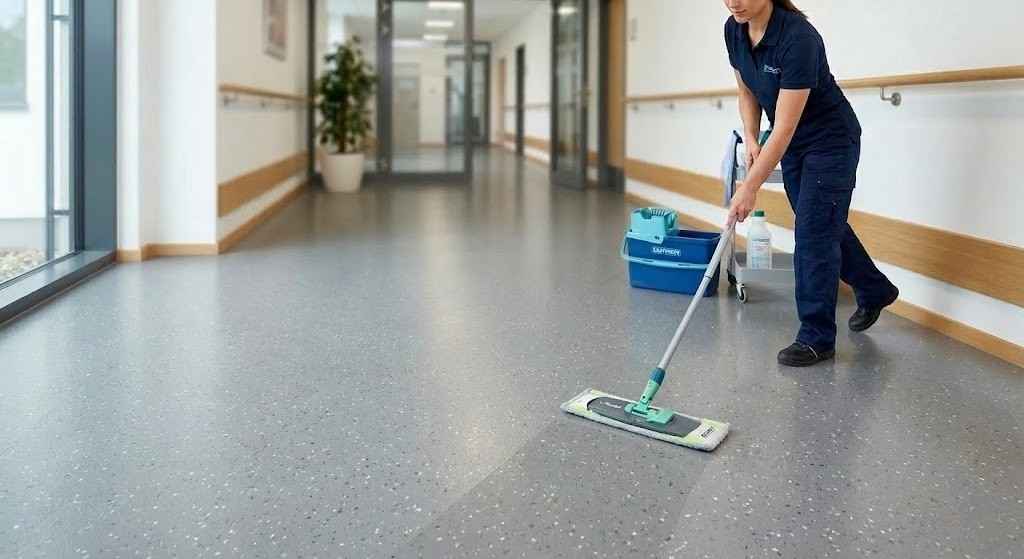
Safety is an essential factor when choosing flooring. Floors that become slippery can increase the risk of accidents in busy areas.
Many heterogeneous vinyl sheet flooring products feature slip-resistant surfaces that enhance traction. These surfaces help lower the risk of slips during daily activity. Slip-resistant heterogeneous vinyl flooring creates a safer environment for employees, visitors and occupants in different building spaces.
Total flooring thickness is another key factor that influences performance and comfort. Heterogeneous vinyl sheet flooring usually ranges from two to four millimeters in thickness, depending on the product design and intended use.
Thicker flooring offers better stability and impact resistance. It can also provide a slightly softer feel underfoot, which is helpful in areas where people walk or stand for long periods. The core layer within the flooring plays a major role in providing this stability and durability.
Choosing the right thickness ensures the floor remains stable under heavy loads and daily activity while maintaining long-term performance in busy environments.
Subfloor preparation is essential for the successful performance of heterogeneous vinyl sheet flooring. Even the highest quality flooring can develop problems if the surface underneath is not properly prepared. A smooth and stable subfloor ensures that the vinyl sheets lay evenly without bumps or irregularities.
Before installation, the subfloor must be clean, dry and level. Dust, debris, and moisture can affect the adhesive bond and reduce the flooring’s durability. Proper preparation helps prevent issues such as bubbling, uneven surfaces, or premature wear.
Professional installers carefully inspect the subfloor before installation. Repairing cracks and leveling uneven areas ensures that heterogeneous vinyl flooring performs reliably for many years.
Floors in busy areas are often exposed to spills, dirt and daily wear. Selecting flooring that resists stains and surface damage is essential for maintaining a clean and professional look.
Heterogeneous vinyl sheet flooring typically includes protective surface treatments that make cleaning easier. These treatments prevent liquids and dirt from penetrating the surface layer. A durable protective finish also enhances resistance to scratches and scuff marks. This feature helps preserve the original appearance of the floor even after years of regular use.
Understanding various performance characteristics makes it easier to compare flooring options. The table below presents several key factors that affect the performance of heterogeneous vinyl flooring.
Factor | Why It Matters | Impact on Flooring Performance |
Subfloor Condition | Ensures smooth installation | Prevents surface irregularities |
Installation Quality | Affects seam strength | Improves durability and appearance |
Surface Protection | Protects against stains and scratches | Maintains long term appearance |
Thermal Stability | Handles temperature changes | Prevents distortion or gaps |
Maintenance Effort | Determines cleaning requirements | Reduces operational workload |
This comparison allows building managers and designers to understand how various technical factors affect the long-term reliability of flooring systems.
Indoor spaces often experience temperature changes caused by heating systems, air conditioning, or seasonal variations. Flooring materials must remain stable despite these fluctuations.
Heterogeneous vinyl is designed to retain its structure within normal indoor temperature ranges. Its layered construction helps prevent excessive expansion or contraction.
Thermal stability ensures that the flooring keeps its shape and structural integrity over time, helping to avoid problems such as gaps, lifting edges, or surface distortion.
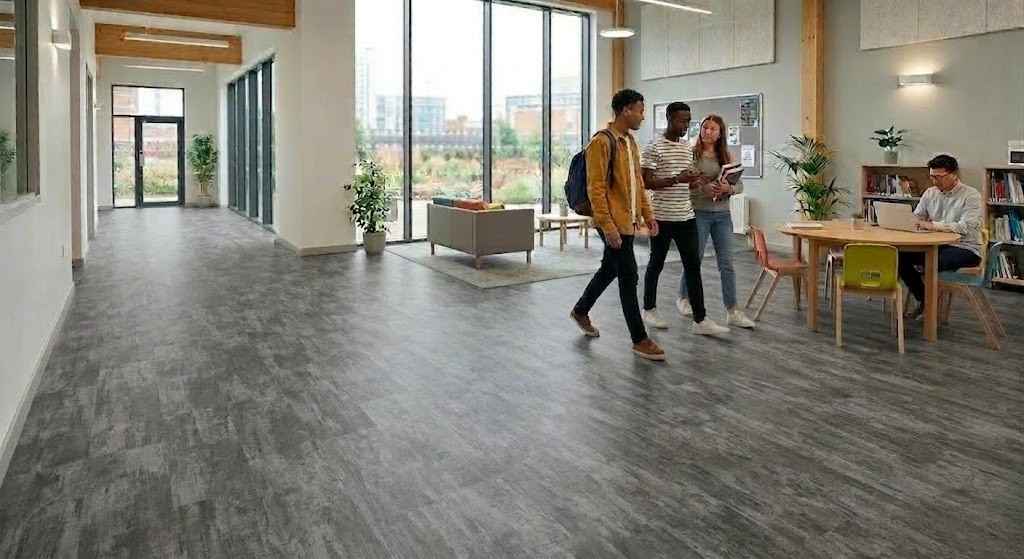
One of the key advantages of heterogeneous vinyl sheet flooring is its wide range of design options. Modern printing technology enables manufacturers to create highly realistic patterns that resemble natural materials.
The decorative layer can imitate the look of stone, wood, or abstract patterns. This flexibility allows designers and architects to coordinate flooring with various interior styles while preserving strong performance.
Because of its design versatility, heterogeneous vinyl flooring is suitable for many types of buildings where both style and durability are important.
Budget considerations are always important when selecting flooring materials. While heterogeneous vinyl sheet flooring provides excellent durability and performance, costs can vary based on product quality and specifications.
When comparing flooring options, it is essential to consider both the initial purchase price and long-term maintenance expenses. Durable flooring often requires fewer repairs and less frequent replacement.
Investing in reliable flooring offers better value over time. A balanced approach to cost and quality helps organizations choose a solution that meets both performance requirements and budget limits.
The reputation of the manufacturer is another essential factor when selecting heterogeneous vinyl sheet flooring. Established manufacturers typically follow strict quality standards during production.
Product certifications and testing standards can also indicate reliability. These certifications often verify that the flooring meets safety, durability and environmental performance requirements.
Checking product documentation and manufacturer support services can provide extra confidence in the flooring choice. Trusted suppliers usually offer detailed product information, installation guidance and technical support.
Heterogeneous vinyl flooring is designed to offer a long and reliable service life when installed and maintained correctly. High‑quality products of this type are built to perform well for many years.
Manufacturers often provide warranties that indicate the expected durability of the flooring. These warranties reflect the confidence in the product’s performance under normal use.
In addition, selecting heterogeneous vinyl sheet flooring with a strong reputation for durability can reduce the need for frequent replacements and help maintain consistent performance over the long term.
Sustainability is an essential consideration in modern building design. Many organizations now evaluate the environmental impact when choosing construction materials, including flooring.
Some heterogeneous vinyl flooring products are made using environmentally responsible processes. They may include recycled materials or be designed to minimize environmental impact during production. Selecting environmentally responsible flooring can support sustainability goals and contribute to healthier indoor environments.
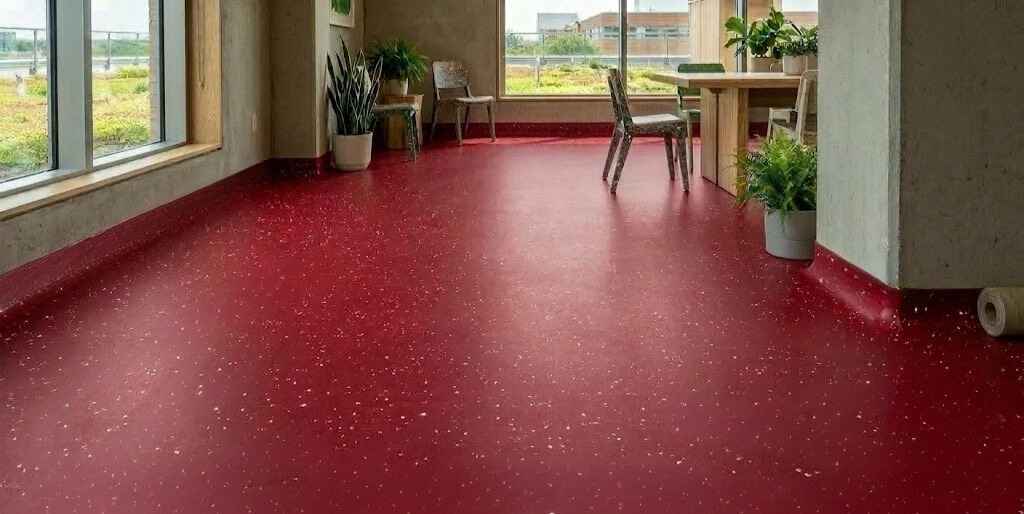
Heterogeneous vinyl sheet flooring delivers a durable, comfortable and visually appealing solution for areas with heavy foot traffic. Considering factors such as layered structure, wear layer thickness, installation quality, maintenance needs and long-term performance ensures the flooring provides reliable results. Careful attention to these aspects allows organizations to choose a flooring system that combines practicality, style and longevity, reducing maintenance costs while improving the overall experience for occupants.
Longda Flooring is the leading heterogeneous vinyl sheet flooring manufacturer in China. The good reputation comes from good quality, variety of colors, 6 million m2 daily stock, competitive price and fast custom made production lead time.
Answer: Heterogeneous vinyl flooring consists of multiple layers, including a wear layer, decorative layer and core layer, offering greater design flexibility, durability, and comfort compared to homogeneous vinyl, which is made of a single layer.
Answer: For areas with heavy foot traffic, a wear layer of 0.5 mm to 0.7 mm is recommended. Thicker wear layers provide stronger protection against scratches, stains and daily abrasion.
Answer: Yes, as long as the subfloor is clean, dry and level. Proper preparation of the existing floor is important to prevent uneven surfaces and ensure long term performance.
Answer: Maintenance is easy. Regular sweeping and damp cleaning are typically enough. The non-porous surface prevents dirt and liquids from soaking in, keeping the floor clean and looking new.
Answer: Yes. Its surface is moisture-resistant, helping to prevent swelling or damage from spills, humidity, or minor water exposure. This makes it suitable for commercial areas that may occasionally encounter moisture.
Copy right by Longda China