
Chemical exposure is a common challenge in many commercial and industrial environments. Floors in healthcare facilities, laboratories, pharmaceutical plants, educational institutions and manufacturing facilities are regularly exposed to cleaning agents, disinfectants, chemical spills and other harsh substances. Choosing the right flooring is important because the wrong material can become damaged, lose its appearance and lead to expensive repairs or replacement. Homogeneous vinyl is designed to perform reliably in these demanding environments while maintaining its durability, appearance and long-term performance.
Homogeneous vinyl flooring is a trusted flooring solution because it combines excellent durability with strong chemical resistance. Its uniform composition extends through the entire thickness of the material, allowing it to maintain its performance even after years of heavy use. This makes it an ideal choice for environments where hygiene, safety and long-term value are essential. Many businesses and facility managers choose this flooring because it delivers reliable performance while reducing maintenance requirements.
In this blog, we will explain how homogeneous vinyl sheet flooring handles chemical exposure, how its structure enhances chemical resistance, where it performs best, the types of chemicals it can withstand and the maintenance practices that help preserve its performance for many years.
Chemical exposure is more common than many people realise. Floors are often exposed to disinfectants, detergents, sanitisers, laboratory chemicals, medical solutions and industrial cleaning products during daily operations. Over time, these substances can damage flooring materials that are not designed to resist chemical exposure.
Chemical damage can cause stains, discolouration, surface wear and reduced durability. As the flooring begins to deteriorate, maintenance and repair costs increase, and the overall appearance of the facility may suffer. Replacing damaged flooring can also disrupt daily operations and increase long-term operating costs.
Selecting flooring with strong chemical resistance helps minimise these risks. It enables businesses to maintain safe, clean and professional environments while reducing maintenance needs, lowering repair costs and extending the lifespan of the flooring.
One of the main advantages of homogeneous vinyl sheet flooring is its uniform structure. The same material extends throughout the entire thickness of the flooring, so there are no separate layers that chemicals can easily penetrate. This creates a strong and reliable surface for demanding commercial and industrial environments.
Its dense construction helps reduce the absorption of many chemical substances. When spills are cleaned quickly according to the manufacturer’s recommendations, the flooring is better protected against stains, surface damage and long-term deterioration. This helps maintain its performance and appearance over time. The uniform structure also improves long-term durability. Even after years of heavy use, the flooring continues to provide excellent chemical resistance because the same material is present throughout the entire sheet rather than only on the surface.
Homogeneous vinyl sheet flooring is designed to resist many chemicals commonly used in professional environments. Although the level of chemical resistance may vary depending on the specific product and manufacturer, high-quality flooring generally performs well when exposed to a wide range of chemical substances.
These include:
Implementing proper maintenance practices based on the manufacturer’s chemical resistance guidelines helps ensure that the flooring continues to provide reliable performance, maintain its appearance and extend its service life.
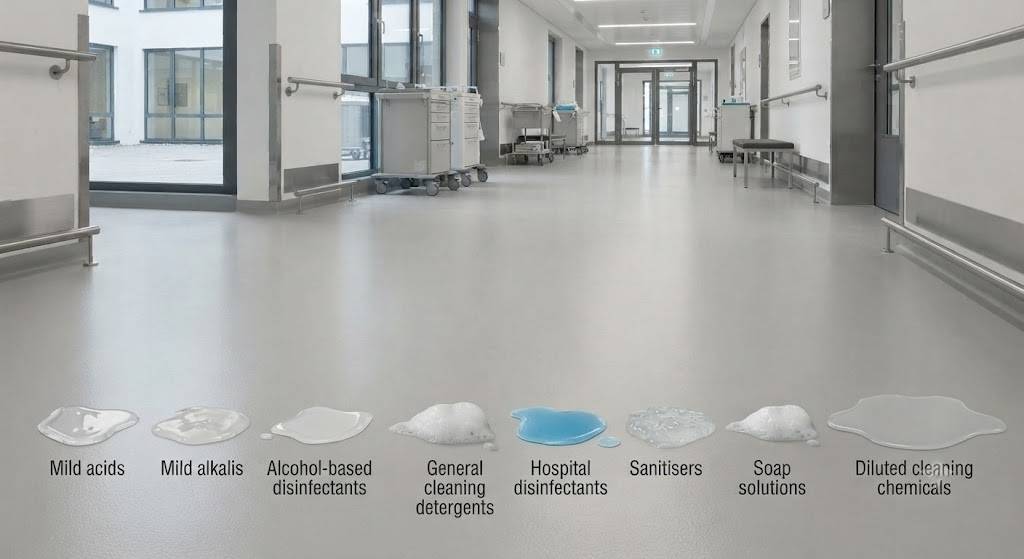
Healthcare environments require flooring that supports strict hygiene standards while tolerating continuous cleaning with medical-grade disinfectants. Homogeneous vinyl is widely used because it performs well under these demanding conditions.
Routine cleaning often involves powerful disinfectants that help control contamination. Flooring with good chemical resistance allows these cleaning procedures to be performed regularly without causing rapid surface deterioration. This supports both cleanliness and long-term durability.
The smooth surface also makes cleaning more efficient because dirt and contaminants are easier to remove. Combined with proper maintenance, this contributes to safer and more hygienic healthcare environments.
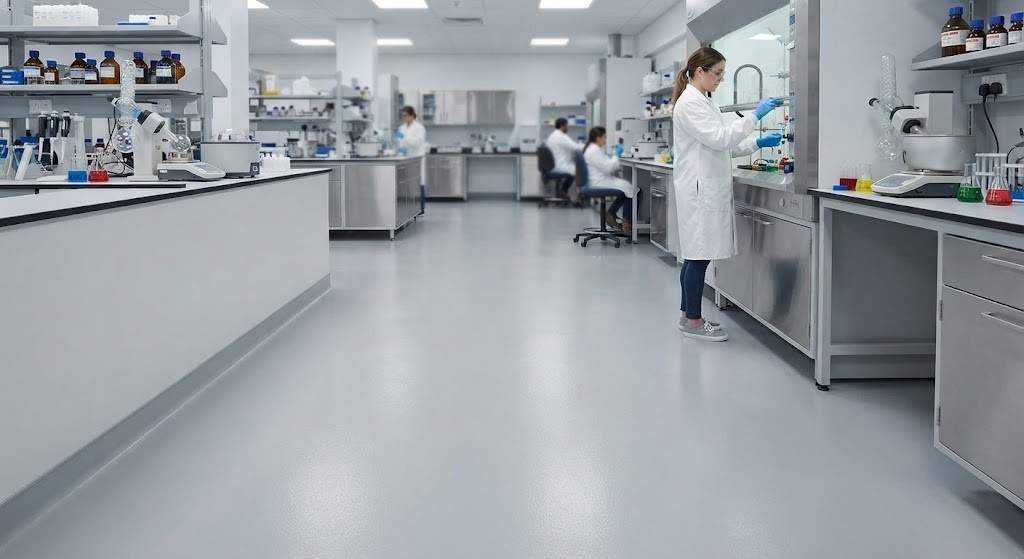
Laboratories create demanding conditions because chemical solutions are regularly used during testing, research and analysis. Flooring installed in these environments must provide reliable chemical resistance while maintaining a clean and professional appearance.
Homogeneous vinyl sheet flooring performs well in laboratories because it is designed to withstand exposure to many chemicals used during normal operations. Its durable surface helps reduce the risk of permanent stains and damage from occasional spills when they are cleaned promptly according to the manufacturer’s recommendations. The flooring also supports easy and efficient maintenance, allowing laboratory staff to clean surfaces quickly and maintain a safe, hygienic and productive working environment for researchers and staff.
Chemical resistance is one of the key advantages of homogeneous vinyl sheet flooring, but proper cleaning and maintenance are still essential. Cleaning spills as soon as they occur helps prevent chemicals from remaining on the surface for long periods, reducing the risk of stains and long-term damage.
Using cleaning products recommended by the flooring manufacturer helps maintain both the appearance and performance of the flooring. Regular maintenance also prevents the build-up of chemical residues and other contaminants that can affect the flooring over time. Following a consistent cleaning schedule helps maximise the lifespan of homogeneous vinyl flooring while maintaining a clean, safe and professional environment.
Clean flooring plays an important role in creating safer facilities. Flooring that resists chemical damage is easier to maintain because it remains smooth, durable and in good condition throughout its lifespan.
Regular cleaning helps remove contaminants while preserving the flooring’s appearance and performance. This enables organisations to maintain high hygiene standards in environments where cleanliness is a top priority.
A well-maintained floor also enhances the overall appearance of the facility, creating a cleaner, safer and more professional environment for employees, visitors and customers.
Many commercial environments experience continuous activity throughout the day. Employees, visitors and equipment place constant demands on flooring, making durability an essential requirement.
Homogeneous vinyl sheet flooring combines excellent chemical resistance with outstanding wear resistance. This combination allows it to maintain reliable performance in busy environments where frequent cleaning is required throughout the day.
Its long lifespan makes it a practical investment for businesses and organisations looking for durable flooring that continues to perform reliably under demanding operating conditions.
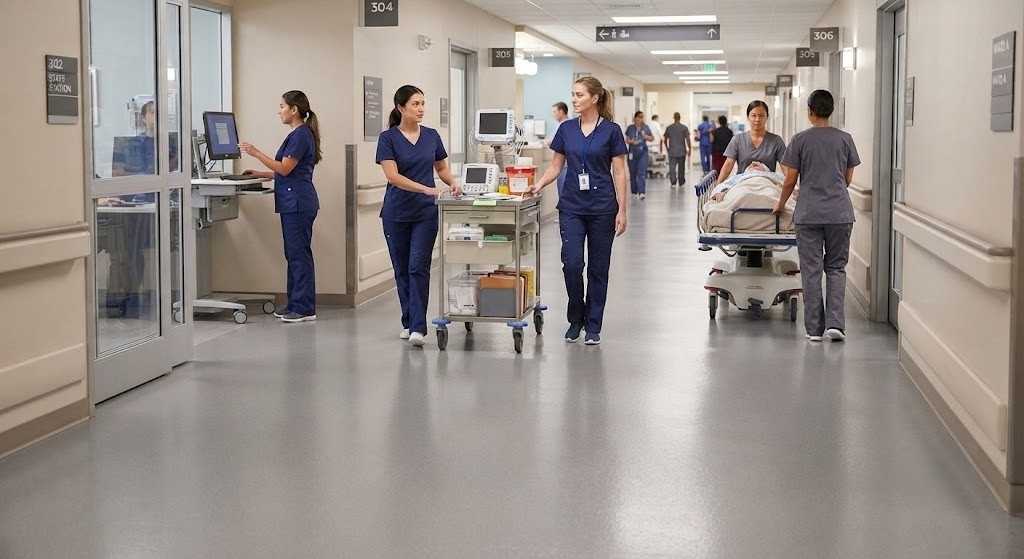
Chemical-resistant flooring provides reliable value across a wide range of industries. Although each industry has different operating requirements, they all need flooring that supports cleanliness, durability and long-term performance.
Healthcare facilities rely on flooring that can withstand frequent disinfection while maintaining a clean and professional appearance. Pharmaceutical manufacturing facilities require flooring that meets strict hygiene standards throughout the production process. Educational laboratories also benefit from flooring that performs reliably during practical experiments and routine maintenance.
Industrial manufacturing facilities regularly use cleaning agents to maintain safe production areas, while food processing facilities require flooring that can withstand frequent cleaning and sanitation. Warehouses, research centres and quality control laboratories also benefit from flooring that combines excellent durability with reliable resistance to everyday chemical exposure.
Every facility has different operating requirements, so it is important to choose flooring based on the level of chemical exposure it is expected to withstand. Factors such as cleaning frequency, the types of chemicals used, foot traffic and maintenance practices should all be considered before making a final decision.
Homogeneous vinyl flooring is an excellent choice for facilities that require reliable chemical resistance, durability and high hygiene standards. Its uniform material structure helps deliver consistent performance and long-lasting reliability in a wide range of commercial and industrial environments.
Choosing high-quality homogeneous vinyl sheet flooring from a trusted manufacturer helps ensure dependable performance, reduced maintenance requirements and long-term value for businesses operating in environments with regular chemical exposure.
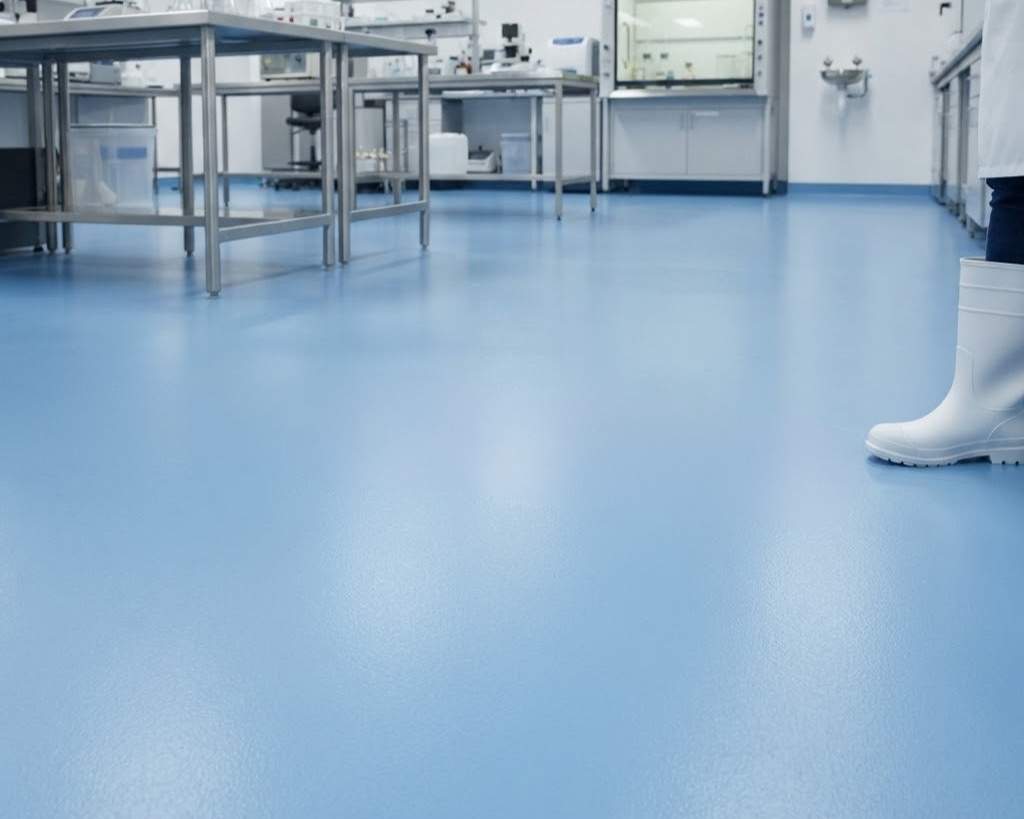
Homogeneous vinyl sheet flooring is an excellent choice for environments where chemical exposure is part of daily operations. Its uniform structure, durable surface and long lifespan allow it to deliver consistent performance in demanding commercial and industrial environments. With proper installation and regular maintenance, it can withstand frequent cleaning and exposure to many common chemicals while maintaining its appearance, durability and structural integrity.
Selecting high-quality homogeneous vinyl flooring is a smart long-term investment for businesses and organisations that value durability, hygiene and cost efficiency. Its ability to support clean, safe and professional environments makes it suitable for a wide range of industries. As flooring technology continues to advance, homogeneous sheet vinyl will continue to be an excellent choice for facilities seeking long-term performance, durability and lasting value.
Longda Flooring is the largest homogeneous vinyl sheet manufacturer in China. When there is some many factors that affect chemical dirty, the most important thing is the produce the high quality sheet flooring, so it will solve all the problems.
Answer: Homogeneous vinyl flooring is highly resistant to chemical exposure because it has a uniform material composition throughout its entire thickness instead of multiple decorative layers. This consistent structure provides reliable performance even when the flooring is regularly exposed to cleaning chemicals, disinfectants and other commonly used chemical solutions. Its dense surface helps reduce the effects of everyday chemical exposure, allowing the flooring to maintain its appearance, durability and performance for many years. When spills are cleaned promptly and the manufacturer’s maintenance guidelines are followed, the flooring continues to perform reliably in demanding environments. Its ability to withstand frequent cleaning while maintaining its strength and structural stability makes it an excellent choice for facilities where cleanliness, durability and long-term performance are essential.
Answer: Homogeneous vinyl sheet flooring is suitable for a wide range of commercial, industrial and institutional facilities where chemical exposure is part of daily operations. Healthcare facilities, pharmaceutical manufacturing facilities, laboratories, research centres, educational institutions, food processing facilities, manufacturing plants, cleanrooms, quality control laboratories and public buildings all benefit from its reliable performance. These environments often require frequent cleaning with disinfectants and specialised cleaning products to maintain high hygiene standards. Homogeneous vinyl flooring is designed to withstand these demanding conditions while remaining durable, easy to maintain and resistant to everyday chemical exposure. Its long lifespan and consistent performance make it an excellent investment for businesses and organisations that require flooring capable of supporting operational efficiency and high cleanliness standards over the long term.
Answer: Businesses can maximise the chemical resistance and lifespan of homogeneous vinyl sheet flooring by implementing proper maintenance practices and the manufacturer’s recommendations. Chemical spills should be cleaned immediately to minimise the time chemicals remain on the surface. Routine cleaning should be carried out using approved cleaning products and the recommended dilution ratios to protect the flooring from unnecessary wear. Regular inspections also help identify minor issues before they become costly maintenance problems. Furniture and equipment should be moved carefully to prevent surface damage, and cleaning staff should be trained to use the correct maintenance procedures. By combining proper daily care with regular maintenance, businesses and organisations can preserve the flooring’s appearance, maintain its long-term performance and significantly extend its lifespan while reducing maintenance costs.
Answer: Homogeneous vinyl flooring offers several important advantages over flooring materials with lower chemical resistance. Flooring that is not designed to withstand chemical exposure may develop stains, discolouration, surface damage or reduced durability after repeated contact with cleaning agents and other chemical substances. This can lead to higher maintenance costs and more frequent replacement. In contrast, homogeneous vinyl sheet flooring is designed to resist regular exposure to many commonly used chemicals while maintaining its strength, appearance and long-term performance. It also supports easier cleaning, helps businesses and organisations maintain high hygiene standards and reduces the risk of unexpected repair costs. Its uniform material structure extends throughout the entire thickness of the flooring, allowing it to deliver reliable performance even after years of continuous use. These advantages help improve operational efficiency, reduce long-term maintenance costs and provide lasting value.
Answer: Before selecting homogeneous vinyl flooring, organisations should carefully evaluate their operational requirements to ensure the flooring is suitable for the intended environment. They should consider the types of chemicals used regularly, the frequency of chemical exposure, expected traffic levels, cleaning routines and the overall performance needs of the facility. Reviewing the manufacturer’s chemical resistance data, technical specifications and maintenance guidelines is also important to confirm that the flooring meets the requirements of the application. Professional installation should be considered to achieve optimal long-term performance and ensure the flooring functions as designed. By assessing these factors before installation, organisations can select a flooring solution that provides excellent chemical resistance, long-lasting durability, reduced maintenance needs and strong value throughout its service life.
Copy right by Longda China