
Flooring plays an important role in commercial and healthcare environments by providing durability, comfort and protection in high traffic areas. Choosing the right type of flooring helps ensure long term performance, reduces maintenance problems and prevents early damage. Even high quality materials can fail if they are not installed with care. Proper planning, surface preparation, and correct installation methods are necessary to achieve a smooth and long lasting result.
Homogeneous vinyl flooring is a single layer material that provides consistent performance across its full thickness. It is well suited for environments where hygiene, durability and appearance are important. Although the material is strong, its overall performance depends on proper installation. Errors during installation can reduce durability, cause visible defects, and increase maintenance and replacement costs.
In this blog, we will guide you through the most common installation mistakes of homogeneous vinyl sheet flooring. We will also explain issues related to surface preparation, adhesive selection, environmental conditions and installation techniques. The aim is to help you avoid these errors and ensure long lasting flooring performance.
One of the most common causes of flooring failure is poor subfloor preparation. The subfloor serves as the foundation of the entire flooring system. If it is not prepared correctly, the flooring will not perform as expected. Uneven surfaces, cracks, and dust can directly reduce adhesion and affect overall stability.
A dirty or damaged subfloor can create air pockets beneath the vinyl sheet. Over time, these pockets can cause bubbles, wrinkles and surface damage. This not only affects the appearance but also reduces the overall durability of the flooring.
Proper preparation involves cleaning, leveling and repairing the subfloor before installation. A smooth and dry surface supports strong bonding and helps the flooring maintain its structure over time.
Moisture is a hidden problem that can cause serious damage to vinyl flooring. Many installers ignore moisture testing, which leads to issues after installation. Excess moisture can weaken adhesives and cause the flooring to lift or warp.
Concrete subfloors often hold moisture that is not visible on the surface. If this moisture is not tested and controlled, it can move upward and affect the vinyl sheet. This can lead to bubbling, discoloration and adhesive failure.
Using proper moisture testing methods helps identify potential risks before installation. It also ensures the flooring is installed under safe conditions, which improves its lifespan.
Choosing the wrong adhesive is another common mistake that can affect flooring performance. Different types of vinyl sheets require specific adhesives for proper bonding. Using a low quality or unsuitable adhesive can result in weak attachment.
Incorrect adhesive selection may cause the flooring to shift, lift, or develop gaps over time. These issues are especially noticeable in high traffic areas where the flooring experiences constant pressure.
It is important to follow manufacturer recommendations when selecting adhesives. Using the correct adhesive ensures strong bonding and long-term stability of the flooring system.
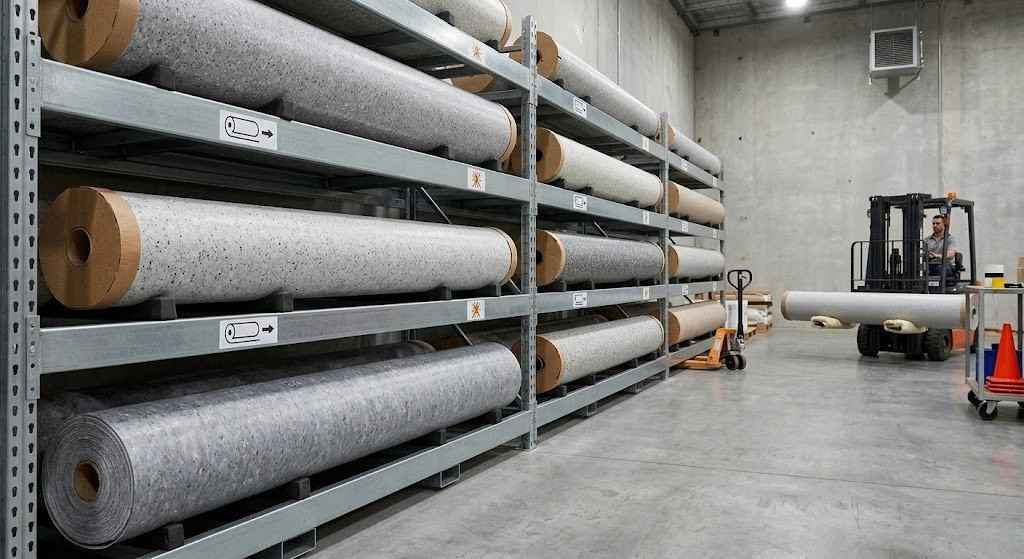
Proper handling and storage of homogeneous vinyl sheet flooring before installation are crucial for long term performance. Flooring materials stored in unsuitable conditions can become damaged even before installation begins. Exposure to heat, moisture, or direct sunlight can affect the structure of the vinyl sheet.
Incorrect storage of flooring rolls can cause bends, creases, or internal stress. These problems may not be immediately visible but can create difficulties during installation, making it hard to lay the material flat and resulting in poor fitting and weak bonding.
To prevent these issues, proper handling practices should be implemented:
Correct storage ensures the flooring stays in good condition and performs as expected after installation.
Even when the correct adhesive is used, improper application can reduce its effectiveness. Applying too much or too little adhesive can result in uneven bonding across the surface.
If the adhesive layer is too thin, it may not hold the flooring securely. If it is too thick, it can take longer to cure and may create soft spots beneath the flooring. Both situations can cause premature damage.
Using proper tools and techniques to apply the adhesive evenly ensures consistent bonding and prevents problems such as bubbles and loose sections.
Acclimatization is the process of allowing flooring materials to adjust to the room’s temperature and humidity before installation. Skipping this step can cause expansion or contraction after the flooring is installed.
Vinyl sheets can react to changes in the environment. Installing them without proper acclimatization may cause shrinking or expansion, resulting in gaps, wrinkles, or lifted edges.
Keeping the flooring material in the installation area for the recommended period helps stabilize it. This reduces the risk of movement and ensures a precise fit during installation.
An uneven subfloor can cause significant problems for vinyl sheet flooring. High and low spots create stress points in the material, leading to wear and tear.
Over time, these uneven areas may cause visible surface imperfections and make the flooring more susceptible to damage under heavy loads.
Leveling the subfloor before installation is essential. A flat surface ensures the vinyl sheet sits evenly and enhances its overall performance.
Seams play a critical role in vinyl sheet flooring installations. Poor seaming techniques can allow dirt, moisture and bacteria to get beneath the surface.
Weak seams may open over time, especially in areas with frequent cleaning or heavy foot traffic. This affects both hygiene and the durability of the flooring.
Using proper seam cutting and welding techniques ensures tight and secure joints. This helps maintain a continuous surface and protects the flooring from damage.
Adhesives need adequate time to dry and cure properly. Walking on the flooring too soon can disrupt the bonding process and create weak spots.
Using the floor before the adhesive has fully set may cause shifting, indentations, and surface damage, significantly reducing the flooring’s lifespan.
Observing the recommended drying period is essential. This ensures the adhesive sets correctly and provides strong support for the flooring.
Temperature has a significant impact on flooring installation. Installing vinyl sheets in extreme conditions can affect both the material and the adhesive.
Cold temperatures can make the vinyl stiff and hard to handle, while high temperatures may cause it to expand, creating fitting issues. Both conditions can result in poor installation quality.
Ensuring a consistent temperature in the installation area promotes better results. It allows both the material and adhesive to perform as intended.
Using the wrong or low quality tools can result in installation errors. Tools are essential for cutting, fitting and securing the vinyl sheet.
Poor quality tools may cause uneven cuts, improper seams, and weak bonding, which can reduce the overall quality and lifespan of the flooring.
Using the right tools ensures accuracy and efficiency. It also helps achieve a professional finish that lasts longer.
The edges of the flooring must be finished carefully to ensure durability and hygiene. Rough or uneven edges are more likely to get damaged, lift, or collect dirt. High traffic areas are particularly vulnerable if edges are not trimmed correctly.
To achieve proper edge finishing, installers should focus on these steps:
Proper edge finishing enhances strength, appearance, and ease of cleaning, making the flooring more durable and reliable over time.
Rolling is essential to ensure the vinyl sheet fully adheres to the adhesive. Skipping this step or doing it incorrectly can trap air beneath the surface.
Air pockets may cause bubbles, uneven surfaces and weak adhesion. Over time, these areas can become damaged from foot traffic or equipment, reducing the flooring’s lifespan.
Using a proper floor roller and applying even pressure across the surface helps eliminate trapped air. It also ensures the adhesive spreads evenly, creating a strong bond between the flooring and the subfloor.
Vinyl flooring can expand and contract with changes in temperature and environmental conditions. Ignoring this factor during installation can create stress within the material.
If there is no space for expansion, the flooring may press against walls or fixed objects, leading to lifting, buckling, or distortion over time. These problems can affect both performance and appearance.
Providing adequate spacing at edges and following recommended installation guidelines helps accommodate movement. This ensures the flooring remains stable and maintains its shape under varying conditions.
Every flooring product includes specific installation instructions from the manufacturer. Ignoring these guidelines can cause significant performance issues.
Manufacturers design their products for certain conditions and methods. Failing to follow these instructions may prevent the flooring from performing as intended, leading to early failure and higher maintenance costs.
Carefully reviewing and following manufacturer recommendations ensures correct installation. It also helps preserve warranties and supports long term performance.
The quality of installation largely depends on the skill and experience of the installer. Inexperienced workers may miss important steps or use incorrect techniques.
Poor workmanship can cause several problems, including uneven surfaces, weak bonding and improper seams. These issues may not appear immediately but can develop over time, reducing the flooring’s lifespan.
Hiring trained and experienced professionals ensures the installation is done correctly. Skilled installers follow best practices and can manage complex situations effectively.
Post installation inspection is often overlooked, but it is essential for detecting potential issues early. Skipping this step can allow small problems to go unnoticed.
Minor defects, loose areas, or uneven sections can turn into major problems if not addressed promptly. Early inspection helps ensure the flooring is installed correctly and ready for use.
A careful inspection after installation confirms that all steps have been completed properly. It also provides an opportunity to resolve any issues before the flooring is used regularly.
Proper planning is the key to a successful flooring installation. Without a clear strategy, the process can become disorganized and inefficient.
Lack of planning can cause material waste, incorrect layouts and installation delays. It also increases the risk of errors that affect the overall quality of the flooring.
These steps should be included in a well planned installation process:
Effective planning improves efficiency, reduces mistakes and ensures a high quality installation outcome.
Cutting is a crucial step in the installation process, and errors at this stage can affect the entire flooring system. Incorrect measurements or rough cutting techniques may cause gaps, overlaps or misalignment.
When cuts are not precise, the flooring may not fit properly around edges, corners, or fixtures. This can create weak points prone to damage over time and negatively affect the flooring’s appearance, making it look unprofessional.
Using accurate measuring tools and sharp cutting equipment ensures clean edges. Careful planning and proper marking before cutting help the material fit perfectly and minimize the risk of installation errors.
Homogeneous vinyl flooring can provide excellent durability and long term performance when installed correctly. Each step in the installation process plays an important role in maintaining the strength, appearance and reliability of the flooring. Mistakes during preparation, handling, or installation can cause early damage, increase maintenance costs and shorten its lifespan. Careful planning, proper techniques, and attention to detail help prevent these issues and ensure the flooring performs effectively in demanding environments.
Longda Flooring is the largest commercial vinyl sheet flooring manufacturer from China. Currently we are working with many contractors and installation companies. So if any of the oversea customers want to have their installation workers training in China. They can simply sent their employees to China, and we will help to arrange them train in the sites.
Answer: One of the most common mistakes is poor subfloor preparation. If the surface is not clean, dry, and level, it can reduce adhesion and cause issues such as bubbles and uneven flooring.
Answer: Moisture testing helps detect hidden moisture in the subfloor. Excess moisture can weaken adhesives and cause the flooring to lift or develop defects over time.
Answer: Using the wrong adhesive or applying it incorrectly can lead to weak bonding. This may cause the flooring to shift, lift, or wear out more quickly in high traffic areas.
Answer: Yes, acclimatization is important because it allows the flooring material to adjust to room conditions. This helps prevent expansion or contraction after installation.
Answer: Yes, even high quality flooring can fail prematurely if it is not installed correctly. Proper installation is essential to ensure the expected durability and performance.
Copy right by Longda China