
Homogeneous & Heterogeneous Vinyl Flooring, What Are The Difference?

1) Structure Difference
2) Production Difference
3) Patterns and Colors Differences
4) Sound Absorption Difference
5) Fire Resistance Difference
6) Anti-Indentation Resistance Difference
7) Scratch Repairing Difference
8) Antibacterial and Fungicidal Function Difference
9) Application Difference
10) Cost Difference
4 Reasons You Should Not Specify A Floor Based on Conductive or Dissipative

1) Neither conductive nor dissipative flooring materials are universally preferred
2) Conductivity can change when environment change
3) Using a less conductive adhesive can cause electrical resistance to appear higher
4) Conductivity is only one part of the ESD flooring
Conductive and Dissipative Flooring What is The Difference?

A conductive flooring means the flooring has an electrical resistant to ground from 1 x 10E4 Ω to 1 x 10E6 Ω
A dissipative flooring means the flooring has an electrical resistant to ground from 1 x 10E6 Ω to 1 x 10E9 Ω
What is ESD Flooring? Your Ultimate Guide
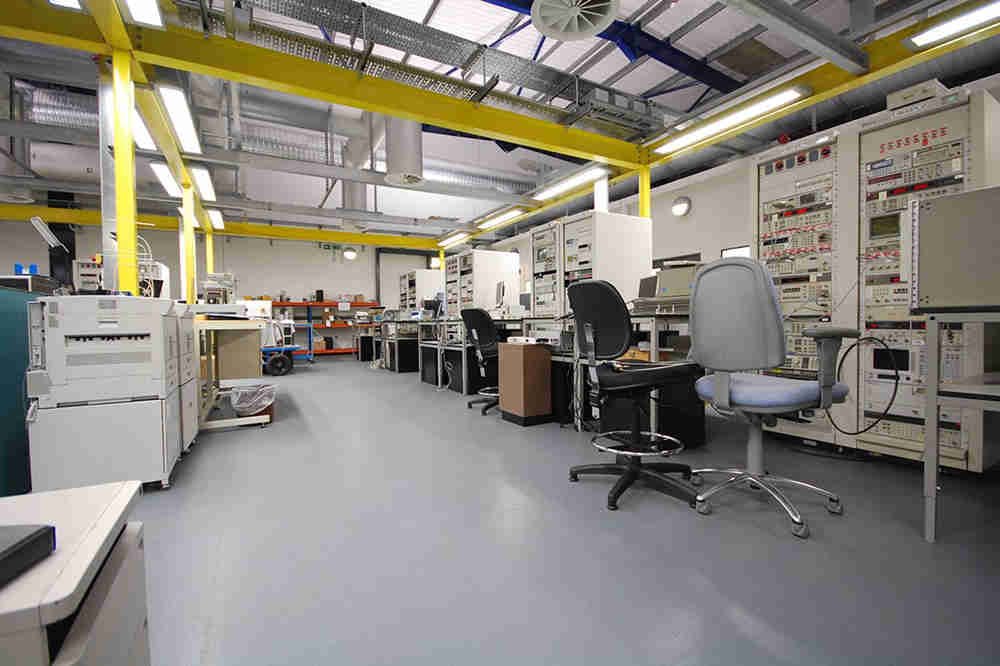
ESD flooring prevents a build-up of static electrical charges in the human body by dissipates charges on the ground. This is a permanent solution that delivers perfect long term results because it is grounded. The safety of people and related equipments are guaranteed.
10 Beginner Mistakes Installing Vinyl Flooring

1) Subfloor fasteners sticking up
2) Leaving Baseboards Installed
3) No leveling the floor
4) Not undercutting door trim
5) Ending rows with small boards.
6) Thinking you need fancy tools
7) Not planning for bump outs
8) Laying similar planks next to each other
9) Putting holes on the end of a plank
10) Not following manufacturer recommendations
What is the Best Flooring for Bathrooms?

Vinyl Flooring is the best flooring for bathrooms for below 8 factors:
1) Waterproof
2) Slip resistant
3) Antibacterial
4) Durable & scratch resistant
5) Resilient and Comfortable
6) Easy to install
7) Easy to clean and maintain
8) Lower cost
6 Easy Steps to Remove Vinyl Flooring
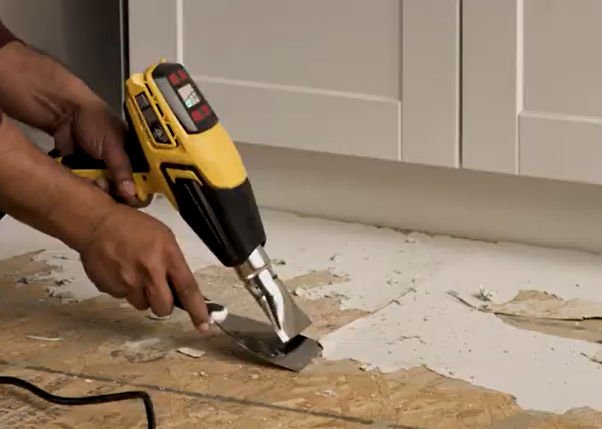
Step 1: Pre-removing: Check the vinyl flooring carefully (Pay attention to asbestos)
Step 2: Remove The Quarter-Round And Baseboard Trim
Step 3: Start In The Middle
Step 4: Remove The Glued Part Of The Flooring
Step 5: Tackle The Glue
Step 6: Dispose Of The Flooring
How Long Does Vinyl Flooring Last?

How long do vinyl flooring last?
The vinyl sheet flooring last for 10 to 30 years
The vinyl plank flooring last 15 to 20 years
The vinyl tile flooring last for 15 to 20 years
Homogeneous vs. Heterogeneous Sheet Vinyl Flooring Construction

Heterogeneous means layered or of multiple types.
Homogeneous, on the other hand, means a single layer or all made from the same thing
11 Factors Why Vinyl Flooring is The Best Flooring for Gym
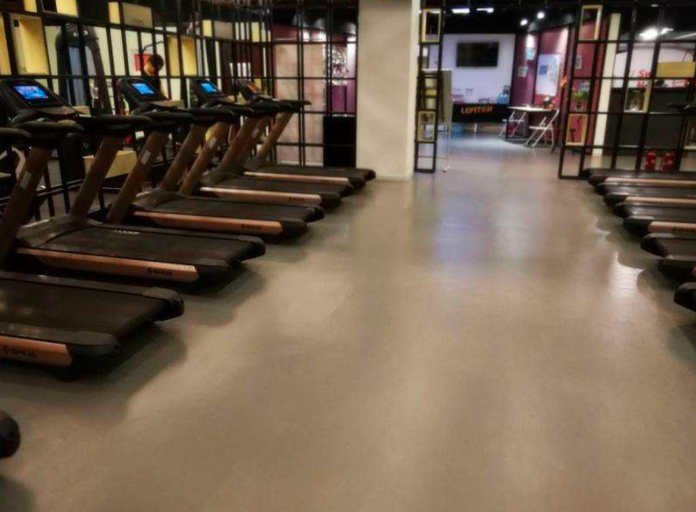
Vinyl flooring is the best gym flooring for its waterproof, slip resistant, 15 to 30 years life expectancy, durable & scratch resistant, resilient and comfortable to walk, easy to install, easy to clean & maintain, formaldehyde-free and low TVOC(meet flooring standard), good sound absorption, lots of color selection and affordable price.