
Modern museums are designed to create a seamless experience where architecture, interior materials and visitor flow work together. These spaces host thousands of visitors daily while protecting valuable collections and maintaining a calm and elegant atmosphere. Flooring is essential in this setup because it impacts durability, safety, appearance and long-term maintenance.
Homogeneous vinyl flooring is a practical choice for museums that need strong performance without losing visual appeal. It is designed to withstand constant foot traffic while keeping a clean and consistent appearance. Its structure and flexible design make it ideal for galleries, exhibition halls, corridors and public areas within museum buildings.
In this article, we will guide you through the key reasons why homogeneous flooring is well suited for modern museums. We will also explain its performance benefits, design adaptability, safety features, maintenance advantages and how it supports long-term operational goals.
Museums often include a variety of spaces, from contemporary art galleries to historical exhibition rooms. Each area may need a different visual tone. Homogeneous flooring offers flexibility in color, texture and finish to meet these needs.
Designers can choose neutral shades to create a calm background or subtle patterns that highlight the architectural character of the space. This flexibility helps museums maintain a cohesive design while adapting to individual exhibition themes.
Because the flooring can be customized, it supports temporary exhibitions without major interior changes. This makes it easier for museums to update spaces while keeping a consistent look.
Museums experience steady and sometimes heavy foot traffic throughout the day. From school groups to international tourists, flooring must handle constant use without showing early signs of damage. Homogeneous vinyl flooring has a solid structure that goes through the entire thickness, making it highly resistant to wear.
This durability keeps the surface from peeling, cracking or losing its finish over time. Even in busy areas such as entrances and main galleries, the flooring retains its appearance. This makes it a reliable choice for museums that operate year-round and host frequent exhibitions.
It is also resistant to scratches from shoes, carts or display equipment. This strength reduces the need for repairs and extends the overall lifespan of the flooring.
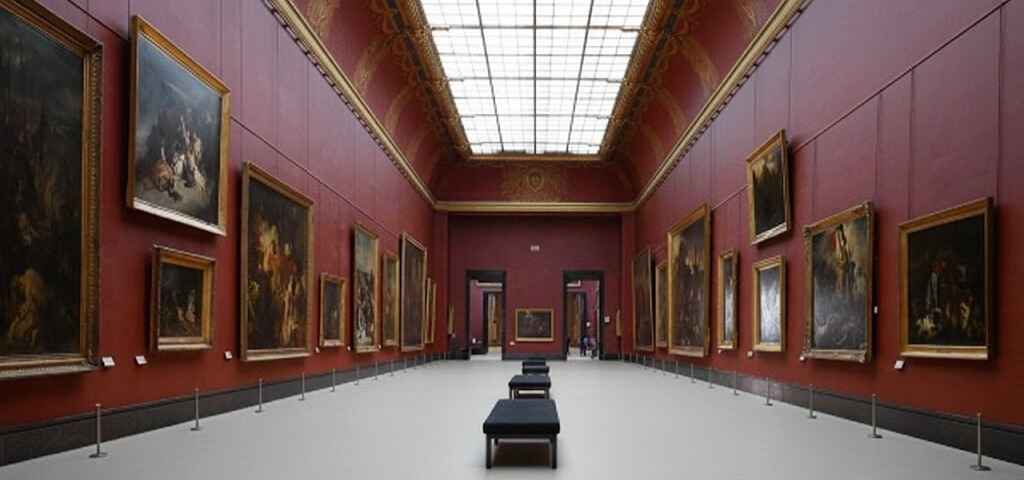
Maintaining a uniform visual appearance is important in museum spaces. Floors should not distract visitors from exhibits or artwork. Homogeneous vinyl flooring provides consistent color and pattern because the material is the same throughout its depth.
Over time, traditional flooring materials may fade or show uneven wear. In contrast, homogeneous vinyl keeps its original look even after years of use. This consistency supports a professional image and helps preserve the intended interior design.
This feature is especially valuable in galleries with carefully controlled lighting. The stable surface finish prevents glare and uneven reflections while creating a calm and focused viewing experience.
Cleanliness is very important in museums, especially in areas with heavy visitor use. Homogeneous sheet vinyl has a smooth, sealed surface that stops dirt and dust from getting into joints or pores.
Routine cleaning can be done with simple methods like sweeping and damp mopping. There is no need for strong chemicals or special treatments. This saves cleaning time and helps keep a hygienic environment for visitors and staff.
Over time, easier maintenance also reduces operational costs. Museums can use resources for preservation and programs instead of frequent floor repairs.
Visitor safety is very important in public buildings. Homogeneous vinyl flooring can have slip-resistant properties, making it safer in areas exposed to moisture or frequent cleaning.
The material also provides a comfortable walking surface compared to hard stone or tile. Its slight flexibility reduces strain on joints and helps visitors feel more comfortable during long visits.
For museums that welcome elderly visitors or children, these safety features help lower the risk of slips and falls, creating a more inclusive environment.
Museums are meant to be calm and quiet spaces. Too much noise from footsteps can disturb the visitor experience. Homogeneous vinyl flooring helps reduce sound compared to harder flooring materials.
This acoustic benefit is especially helpful in galleries where silence and focus are important. By lowering footstep noise, the flooring creates a more immersive and respectful environment.
Better acoustics also support guided tours and educational programs by reducing background noise.
Exhibitions often involve moving display cases, partitions and technical equipment. Flooring needs to be strong enough to handle these loads without damage. Homogeneous vinyl flooring is made to resist dents and pressure from heavy objects.
This strength lets museums rearrange exhibits without worrying about permanent marks or surface damage. It supports operational flexibility and makes setting up exhibitions easier.
As a result, museums can adapt spaces quickly while keeping the floor in good condition.
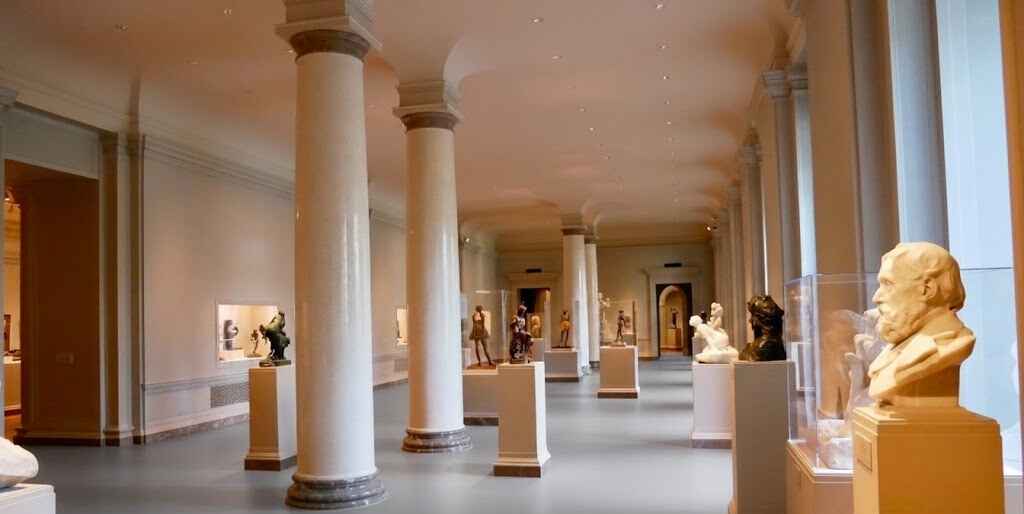
Homogeneous flooring offers excellent lifecycle cost efficiency because it is highly durable and requires minimal maintenance, even though initial installation costs may be significant.
Its long-lasting performance and reduced need for repairs mean that the total cost over time is often lower than that of alternative materials. This makes it a wise investment for museums and institutions planning for long-term operations.
In addition, less frequent replacement helps minimize disruptions to museum activities, ensuring that visitors can enjoy continuous access to exhibitions and programs.
Choosing the right flooring for museums requires considering key performance factors. Different materials have different strengths and understanding these differences helps decision-makers choose a solution that meets both operational and design needs.
Feature | Homogeneous Vinyl | Stone Flooring | Carpet Tiles | Ceramic Tiles |
Durability | High | High | Medium | Medium |
Maintenance | Easy | Moderate | High | Moderate |
Slip Resistance | Available | Limited | Good | Limited |
Design Flexibility | High | Low | Medium | Medium |
This comparison shows how homogeneous vinyl flooring provides balanced performance across several important factors. Its mix of durability, easy maintenance, safety features and design flexibility makes it a practical choice for modern museum spaces.
Museums carefully control humidity to protect sensitive collections such as paintings, manuscripts and textiles. Flooring must perform well in spaces where temperature and moisture are closely monitored. Homogeneous flooring offers excellent resistance to moisture and makes it suitable for climate-controlled interiors.
Unlike porous materials, this flooring does not absorb moisture from the air. This helps keep indoor conditions stable and prevents problems like swelling, warping or surface damage. In galleries with slight humidity changes, the flooring stays dimensionally stable.
This moisture resistance is especially useful for museums in coastal or humid areas. It ensures consistent floor performance without adding extra strain to environmental control systems.
Museums focus on cleanliness not just for visitors but also to protect valuable collections. Dust, bacteria and other contaminants can harm exhibits over time. Homogeneous vinyl flooring provides a hygienic surface that helps meet strict cleanliness standards.
Because the material is non-porous, it does not trap microorganisms. This makes it easier to keep a controlled environment around sensitive artifacts. Regular cleaning removes surface contaminants effectively without damaging the floor.
In conservation areas and storage rooms, this hygienic quality reduces the risk of contamination. It supports preservation goals while keeping a professional environment.
Modern museums often use approved cleaning products to maintain hygiene, especially in public areas. Flooring must handle regular contact with these products without damage. Homogeneous vinyl flooring is made to resist commonly used cleaning chemicals.
This chemical resistance prevents discoloration and surface wear over time. Even with frequent cleaning, the flooring keeps its original performance and appearance. This reliability is important in busy areas such as entrances, rest zones and interactive exhibits.
As a result, museums can maintain cleanliness standards confidently without worrying about long-term floor damage.
Museums often renovate to update galleries or expand exhibition spaces. Flooring installation time is important to minimize downtime. Homogeneous vinyl flooring allows faster installation compared to many traditional materials.
The material comes in sheets that can be quickly installed over prepared subfloors. This reduces disruption to museum operations and allows galleries to reopen sooner. Faster installation also helps manage project timelines and labor costs.
For museums with tight schedules, this efficiency makes homogeneous vinyl a practical choice during upgrades or refurbishments.
A seamless floor surface helps maintain a clean visual flow across exhibition spaces. Homogeneous vinyl flooring can be installed with welded joints to create a nearly seamless appearance. This improves the sense of connection throughout galleries.
The seamless finish also supports modern architectural designs where uninterrupted surfaces are preferred. It allows visitors to move naturally through spaces without visual breaks that distract from exhibits.
This design connection adds to a refined museum atmosphere that fits contemporary design expectations.

Fire safety rules are strict for public places like museums. Flooring must meet approved fire performance standards. Many homogeneous vinyl flooring products are made to meet these requirements.
This fire performance gives extra reassurance to building owners and regulators. It supports safe evacuation routes and adds to overall building safety planning.
By choosing compliant flooring, museums can follow safety rules without compromising design or functionality.
Modern museums often use flooring to support wayfinding and zoning. Different colors or patterns help guide visitors through galleries and public areas. Homogeneous vinyl flooring allows precise color control to support this approach.
Designers can use subtle color changes to mark pathways, exhibition zones or restricted areas. This improves visitor navigation without relying too much on signs.
This visual guidance enhances the visitor experience and helps manage crowd movement effectively.
Museums use special lighting to protect exhibits and create atmosphere. Flooring must perform well under artificial light without causing glare or uneven reflections. Homogeneous flooring provides stable visual performance in controlled lighting conditions.
The surface finish reduces unwanted reflections and keeps a consistent appearance throughout the day. This helps visitors focus and improves the presentation of exhibits.
Over time, the flooring stays visually stable, contributing to a polished and professional interior environment.
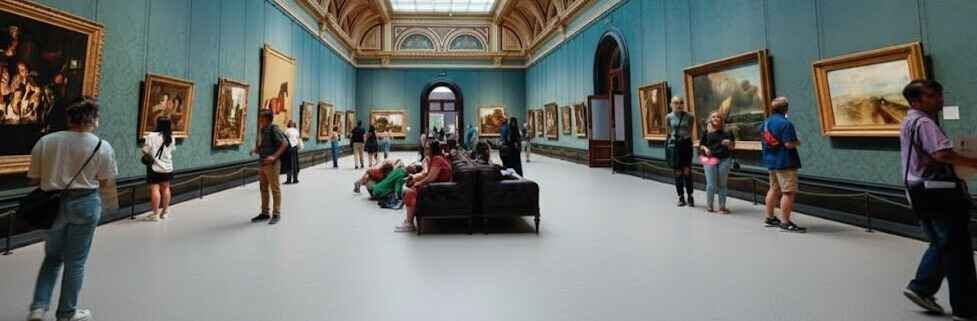
Homogeneous flooring meets the needs of modern museums by providing a reliable surface that balances durability, visual quality, safety and long-term performance. It supports continuous visitor movement while keeping a refined and consistent appearance. Its strength against wear, moisture, and chemicals along with ability to handle heavy use makes it ideal for museum spaces from exhibition halls to public areas.
Beyond performance, this flooring provides easy maintenance, design flexibility and compliance with regulations. These benefits allow museums to focus on their main goals of preservation, education and visitor engagement instead of ongoing facility problems. As museums evolve, homogeneous flooring continues to be a practical and forward-looking choice for modern cultural spaces.
Longda Flooring is the leading homogeneous flooring supplier in China. We have 300+ colors so even for the places of museum, we can still provide many different colors to make the modern design.
Answer: Yes, it can be used in galleries, corridors, entrances, storage areas and public zones. Its performance features make it easy to adapt to different functional needs within a museum.
Answer: Homogeneous vinyl flooring is made for high-traffic areas. Its strong structure helps it maintain both appearance and performance even with daily heavy use.
Answer: Many products are made with low volatile organic compound (VOC) emissions which helps maintain good indoor air quality. This is important for visitor comfort as well as for protecting artifacts.
Answer: Yes, it offers a wide range of colors and finishes that let designers match flooring with exhibition themes, architectural styles and wayfinding strategies.
Answer: Over its lifecycle, it is cost-effective because of its long lifespan, low maintenance needs and reduced need for repairs or replacement.
Copy right by Longda China