
When selecting flooring for a commercial space, there are several options available. Traditional tiles and homogeneous vinyl flooring are two of the most common choices. Both have advantages, but many modern commercial spaces are now choosing homogeneous vinyl because it is durable, cost-effective, performs well and offers flexible design options. Knowing these differences helps businesses make smarter long-term flooring decisions.
Homogeneous vinyl flooring has become a modern choice that meets the needs of commercial spaces. Its strong construction, smooth surface and reliable performance make it ideal for offices, hospitals, schools, retail stores and other busy areas. Compared to tiles, it provides better comfort, easier maintenance and greater durability which makes it a popular option for many commercial projects.
In this blog we explain why homogeneous vinyl flooring is a better choice than tiles for commercial spaces. It compares both options based on durability, maintenance, installation, safety, hygiene, cost efficiency and long-term value. This helps you understand which flooring solution provides better performance and a smarter investment for commercial areas.
Homogeneous vinyl flooring is a type of strong and flexible flooring made from a single continuous layer of vinyl. Unlike layered vinyl or laminate floors, homogeneous vinyl is the same throughout its thickness, so the color, pattern and material remain consistent from top to bottom.
This uniform structure gives the flooring reliable wear resistance and color stability. It is made using a special manufacturing process where pigments and materials are blended evenly, ensuring the floor keeps its appearance even after years of heavy use.
In commercial spaces such as offices, hospitals, schools, retail stores and hotels, this flooring is preferred for its consistent performance, easy maintenance and long-lasting durability.
Safety standards in commercial construction are strict. Flooring must meet requirements for slip resistance, fire safety and indoor air quality.
Many homogeneous vinyl flooring products are made to follow these safety regulations. They have slip-resistant surfaces that reduce the risk of accidents, even in wet conditions.
Tiles can become slippery when wet and may need extra treatments to meet safety standards. Vinyl flooring includes built-in safety features that make compliance easier.
Modern commercial spaces require flooring that is both functional and visually appealing.
Tiles also provide visual options but need careful selection to ensure long-term performance. Over time, tiles can appear outdated and are harder to update or refresh.
Durability is a key factor in commercial flooring. Commercial spaces face heavy foot traffic, moving furniture, equipment use and sometimes wheeled loads. Flooring must handle these stresses without cracking, chipping or wearing unevenly.
Homogeneous vinyl is made to be highly durable. Because it is made from one material all the way through, the wear layer is not just a thin surface coating. The color and material are the same from top to bottom, so even after years of heavy use, the floor does not show worn spots. This makes it perfect for busy areas such as shopping malls, hospitals, schools and airport terminals.
Tiles, especially ceramic or porcelain, are hard but rigid. They can crack or chip if heavy objects are dropped on them or if the floor underneath shifts. Tiles are also more likely to have grout damage, which can cause hygiene issues and increase maintenance costs.
Flooring in commercial spaces must be safe and comfortable for people who spend long hours walking or standing.

Large commercial buildings need a consistent design across different areas. Flooring should remain uniform even after years of use.
Homogeneous vinyl is made from the same material throughout, so it keeps a consistent appearance. Wear does not reveal different layers or colors which helps preserve the original design.
Tiles, on the other hand, can show uneven wear, chipped edges or color differences over time, especially in high-traffic areas.
To understand the practical advantages of homogeneous vinyl compared to traditional tiles, the table below highlights the key features that are most important in commercial flooring.
Feature | Homogeneous Vinyl Flooring | Tile Flooring |
Durability | Very High | Moderate to High |
Wear Uniformity | Excellent | Varies (wear shows on surface) |
Installation Complexity | Low | High |
Maintenance Ease | Very Easy | Moderate to Difficult |
Grout Lines | None | Yes |
Slip Resistance | High (textured options) | Moderate (can be slippery) |
Comfort Underfoot | Slight Cushioning | Hard Surface |
Long-Term Cost | Cost-effective | Higher with maintenance |
Design Variety | Wide | Wide |
This comparison clearly shows that homogeneous vinyl flooring provides better performance and long-term value than tiles which makes it the smarter choice for modern commercial spaces.
In commercial projects, time is very important. Flooring installation often needs to be done quickly to prevent long business closures. Homogeneous vinyl flooring has a clear advantage in this regard.
Vinyl sheets are easier and faster to install than tiles. Large sheets cover more area in less time and do not require extensive grouting or curing. Once installed, the floor can usually be used shortly after.
Tile flooring takes more time because each tile must be placed carefully and the grout needs time to set and dry. This longer process can delay business operations, especially in retail stores, offices and healthcare facilities where downtime needs to be minimal.
Commercial facilities need flooring that is easy to clean and maintain. In areas such as hospitals and restaurants, hygiene is very important.
In places where cleanliness and fast cleaning are important, homogeneous vinyl flooring is the clear choice.
Commercial spaces often face spills, humidity and frequent cleaning with water. Flooring must resist moisture without getting damaged.
Homogeneous vinyl flooring is very water-resistant. It does not absorb moisture which helps protect the floor underneath. This makes it ideal for hospitals, laboratories, washrooms, cafeterias and retail stores.
Tiles are water-resistant on the surface but water can pass through damaged grout lines. Over time, this can cause loose tiles, mold growth and damage to the subfloor.
A clean environment is important in commercial buildings. Homogeneous vinyl flooring helps maintain cleanliness through its seamless installation.
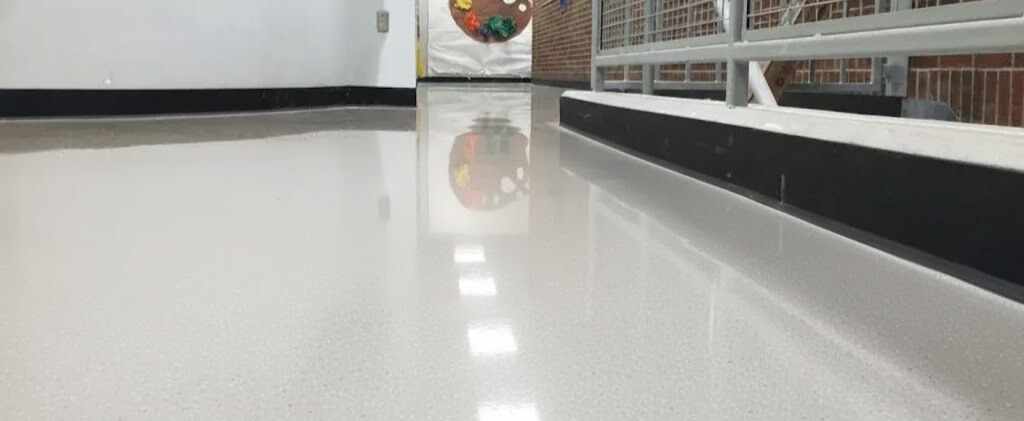
When vinyl sheets are heat welded, they form a smooth, continuous surface. This design reduces gaps and joints where dust, dirt and bacteria usually gather which makes cleaning faster and more effective.
Tiles, on the other hand, depend on grout lines. Over time, grout can absorb moisture and stains, making it harder to keep clean. This is one reason many commercial spaces choose vinyl over tiles.
Noise control is an important factor in offices, schools and healthcare buildings. Flooring plays a key role in managing sound.
Homogeneous vinyl flooring helps reduce noise by absorbing sounds from footsteps and moving equipment. This creates a calmer and more comfortable environment for staff and visitors.
Tile flooring reflects sound instead of absorbing it. This can raise noise levels, especially in large open commercial spaces, making vinyl a better choice for areas where noise control is important.
Commercial environments often use strong cleaning products and may come into contact with chemicals. Flooring must resist stains and surface damage.
Homogeneous vinyl flooring is resistant to many chemicals, disinfectants and cleaning solutions. This keeps the surface intact and looking good for years.
Tiles can resist some chemicals, but grout lines are more likely to stain or get damaged. This can affect both appearance and hygiene over time.
Costs go beyond the initial purchase price. In commercial spaces, the total cost of flooring includes:
When looking at the total cost of ownership over 5, 10 or 15 years, homogeneous vinyl often turns out to be more cost-effective.
Over time, commercial floors may need repairs due to wear or damage. How easy they are to repair is an important advantage.
Homogeneous vinyl flooring can often be fixed by replacing small sections without affecting the rest of the floor. The surface can also be restored through polishing and routine maintenance.
Tile repairs usually require removing broken tiles and re-grouting, which can take a lot of time and may not match the original look perfectly.
Sustainability is an important factor in commercial construction decisions. Flooring materials should support environmental goals.
Many homogeneous vinyl flooring options are made with low emissions and long lifespans. Their durability reduces the need for frequent replacement, which lowers material waste.
Tile production often uses a lot of energy. Although tiles are durable, repairs and replacements create waste and require extra resources.
When all factors are considered, homogeneous sheet vinyl provides excellent life cycle value. It combines durability, low maintenance, safety, comfort and visual appeal in a single solution.
Commercial decision-makers benefit from lower operational costs, fewer disruptions and consistent performance over many years. This makes homogeneous vinyl flooring a smart long-term investment.
Tiles may still be used in some areas, but for most commercial applications, vinyl offers a more balanced and cost-effective solution.

Homogeneous vinyl flooring is a practical and future-ready choice for commercial spaces that need durability, hygiene and low maintenance. Unlike tiles, it does not crack, stain easily or require grout cleaning, which helps lower long-term costs and daily upkeep. Its consistent performance, safety features and clean appearance make it a reliable flooring option for busy commercial areas. For businesses seeking efficiency without compromising quality, homogeneous flooring provides clear advantages over traditional tiles.
Basically, homogeneous vinyl flooring is more for commercial applications, while tile is more for residential applications.
Longda Flooring is the largest vinyl sheet flooring manufacturer in China, currently our annual sales is 36 million square meters. Flooring is selling well in both domestic and abroad.
Answer: Yes, homogeneous vinyl flooring is suitable for many commercial environments such as offices, hospitals, schools, retail stores, hotels and industrial areas. Its durability and easy maintenance make it ideal for both high-traffic and hygiene-sensitive spaces.
Answer: Homogeneous vinyl flooring is made for heavy foot traffic. Because the material is the same throughout, wear does not easily affect its appearance. This makes it perfect for corridors, entrances and busy commercial areas.
Answer: Yes, it is much easier to maintain. Homogeneous vinyl has no grout lines, which reduces dirt buildup and makes cleaning simple. Regular sweeping and mopping are usually enough to keep it in good condition.
Answer: Many homogeneous vinyl flooring products have slip-resistant surfaces and meet commercial safety standards. This helps lower the risk of slips and falls, especially in areas exposed to moisture or frequent cleaning.
Answer: The initial cost may be a little higher than tiles, but homogeneous vinyl flooring needs less maintenance, fewer repairs and lasts longer. Over time, this results in lower overall costs and better value for commercial users.
Copy right by Longda China