
Maintaining hygiene in hospitals is very important for patient safety, recovery, and overall healthcare quality. Floors are high contact surfaces, so they play a key role in keeping the environment clean or allowing bacteria to grow. Traditional flooring such as tiles or carpet can trap dirt and germs, which makes cleaning difficult. Homogeneous vinyl flooring has a smooth and non-porous surface that stops dirt and microbes from building up, helping create a safer environment for patients and staff.
Homogeneous flooring is designed to handle heavy foot traffic, hospital equipment, and frequent cleaning. Unlike other flooring materials that can crack or wear unevenly, vinyl sheets stay strong over time. Its long life, easy maintenance, and hygienic qualities help hospitals keep high cleanliness standards without affecting safety or comfort.
In this blog, we will explain why homogeneous vinyl flooring is ideal for hospital hygiene. We will also cover its design, safety features, ease of cleaning and where it is best used in hospitals. This flooring helps create a safer, cleaner and more efficient healthcare environment.
One of the main reasons homogeneous vinyl flooring is preferred in hospitals is its seamless and non porous design. Traditional flooring materials often have gaps or grout lines where dirt and bacteria can collect, which makes deep cleaning difficult. Vinyl sheets are installed as continuous surfaces and the joints are sealed, which removes spaces where harmful microbes can grow.
The non porous surface of vinyl stops liquids such as medicine spills, body fluids, and cleaning solutions from soaking into the floor. The surface helps reduce the risk of bacterial growth and cross contamination, which is very important in operating rooms, patient wards and laboratories. The staff can clean spills easily without worrying about residue and keep the environment hygienic at all times.
In addition, the seamless design lets hospital equipment such as wheelchairs, trolleys, and beds move smoothly. It reduces wear on both the floor and equipment, lowering maintenance costs. This combination of hygiene and practicality makes homogeneous vinyl flooring a smart choice for healthcare facilities.
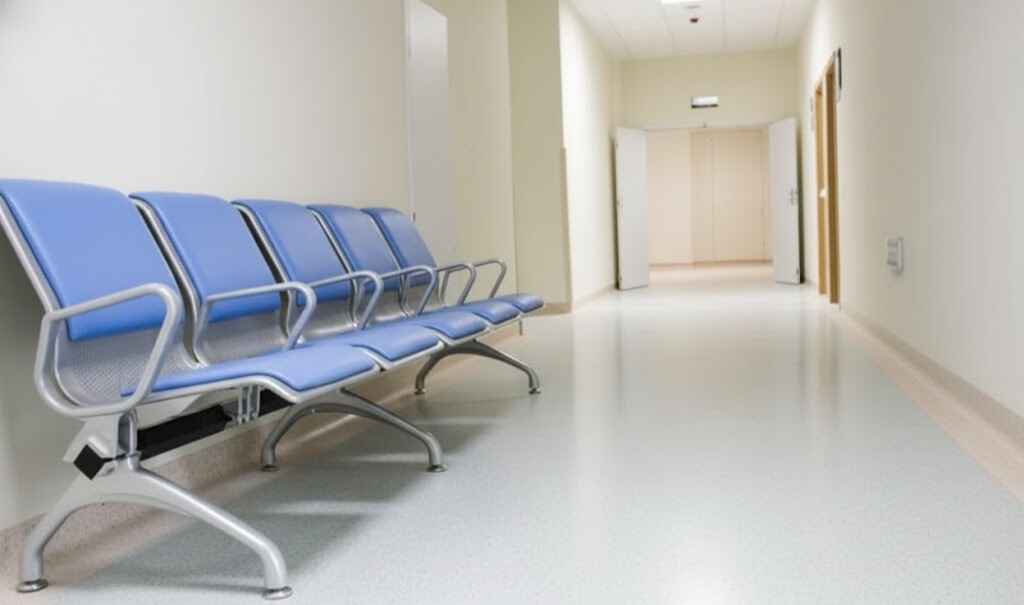
Hospitals regularly use disinfectants, cleaning chemicals and other strong agents to keep the environment sterile. Flooring that is sensitive to these chemicals can wear out over time, causing cracks, discoloration and higher contamination risks. Homogeneous vinyl flooring is highly resistant to stains and chemicals, which makes it ideal for hospitals.
This resistance allows hospital staff to use different cleaning agents without worrying about damaging the floor. Routine cleaning with bleach, alcohol-based solutions or other disinfectants does not affect the vinyl’s structure. The vinyl sheet maintains its appearance and hygienic properties even with regular cleaning.
In addition, the material durability helps hospitals reduce costs from frequent repairs or replacements. Unlike porous or fragile floors, the vinyl sheet stays intact for years, supporting ongoing infection control measures without causing downtime or disruption to hospital operations.
Hospital floors are often exposed to spills and wet conditions, which can increase the risk of slips and falls. Homogeneous vinyl flooring can be made with anti-slip surfaces, providing a safer environment for patients, visitors and healthcare staff.
The anti-slip features are important in areas such as emergency rooms, operating theaters, and washrooms, where spills are common. In addition, they reduce accidents, protect safety and help maintain hygiene by limiting contamination.
In addition to safety, the surface texture of vinyl makes cleaning easy without affecting grip. The floor can be mopped, disinfected or scrubbed regularly and it will keep its anti-slip properties while providing an ideal balance of hygiene and safety.
The ease of cleaning is another key reason why homogeneous flooring is ideal for hospitals. Its smooth and seamless surface allows cleaning staff to remove dirt, dust and spills quickly and efficiently. Unlike floors with grout lines or porous textures, vinyl sheets do not trap contaminants, which reduces the time and effort needed for thorough cleaning.
Hospitals often follow strict sanitation protocols that require cleaning several times a day. Vinyl flooring supports these protocols by allowing the use of automated scrubbers, mops and disinfectants without damaging the surface. Staff can maintain a high level of cleanliness consistently while keeping patient areas sterile and minimizing infection risks.
In addition, the flooring is resistant to wear, stains and chemicals, which lowers the need for harsh cleaning methods that could affect hygiene. This makes it easier for hospitals to meet regulatory standards and internal quality benchmarks.
Hygiene and safety are top priorities in hospitals, but comfort and acoustics are also important. Homogeneous vinyl flooring provides a slightly cushioned feel, which can reduce strain for staff who spend long hours on their feet. Comfortable flooring can also help maintain hygiene, as tired staff are less likely to make cleaning mistakes or miss important tasks.
The material absorbs sound, helping to lower noise in busy hospital corridors and wards. Reduced noise creates a calmer environment for patients, supporting faster recovery and overall well-being. This mix of comfort, safety and hygiene makes vinyl flooring a practical choice for modern healthcare facilities.
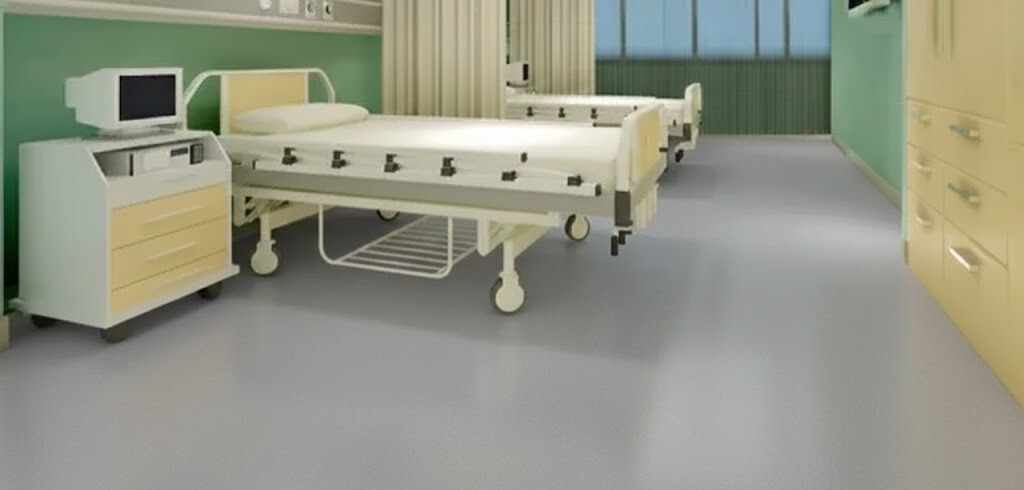
Homogeneous vinyl flooring is versatile and can be installed in nearly any area of a hospital.
Each area gains from the flooring hygiene, durability and safety features. Using the same flooring throughout the hospital simplifies maintenance and helps maintain consistent infection control standards.
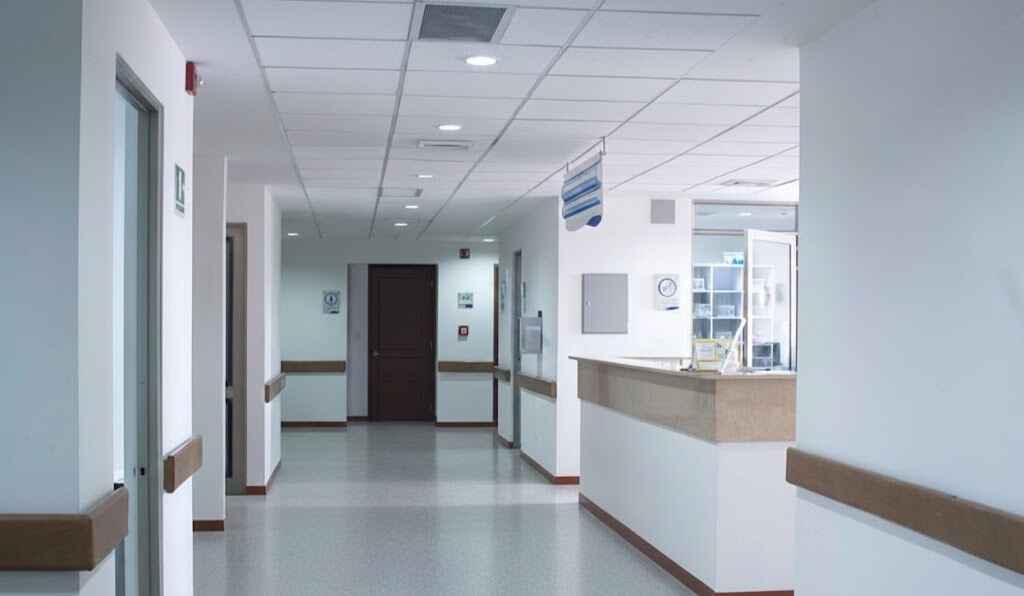
Hospitals have high foot traffic every day, with patients, visitors and staff moving constantly throughout the facility. Heavy medical equipment such as trolleys, wheelchairs and hospital beds also puts pressure on the flooring. Homogeneous vinyl flooring is built to withstand this heavy use without wearing out or cracking and without losing its hygienic properties.
Other flooring types may weaken over time, but vinyl sheets stay strong and even for years. Their uniform structure prevents weak spots, reducing damage and contamination. This makes vinyl a durable, low-maintenance and hygienic choice for hospitals.
In addition, the flooring resists scratches and dents, keeping it smooth over time. This is crucial in areas like surgical theaters and labs, as a smooth surface reduces bacteria buildup and makes cleaning more effective.
The initial installation cost of homogeneous flooring may be slightly higher than some alternatives, but its long-term benefits make it a very cost-effective choice for hospitals. The flooring durability and low maintenance needs significantly reduce operational costs over time.
Regular cleaning, disinfecting and occasional maintenance are all that is needed to keep the flooring in good condition. There is no need for frequent replacements, refinishing or specialized treatments that other flooring types, such as hardwood or ceramic tiles, often require. Hospitals can use their resources more efficiently, focusing on patient care instead of constant floor upkeep.
In addition, the flooring energy efficiency adds another layer of cost-effectiveness. Vinyl has natural insulating properties that help regulate indoor temperatures, reducing the load on heating and cooling systems. This not only saves money but also supports a more sustainable and environmentally friendly hospital environment.
To understand why homogeneous vinyl flooring is ideal for hospital hygiene, it helps to compare it with other common flooring options.
Flooring Type | Advantages | Disadvantages |
Ceramic Tiles | Hard, durable, resistant to stains | Grout lines can harbor bacteria, prone to cracking, slippery when wet |
Carpet | Comfortable, absorbs noise | Difficult to clean, traps dust and germs, not good for wet/high-traffic areas |
Laminate Flooring | Looks good, moderate cost | Can get water damage, hard to disinfect, wears out quickly |
Homogeneous Vinyl Flooring | Seamless, non-porous, chemical-resistant, durable, easy to clean, anti-slip, comfortable | Needs professional installation |
This comparison shows that homogeneous vinyl flooring offers durability, hygiene and safety without the drawbacks of other materials. It is a practical choice for modern hospitals aiming for long-term cleanliness and efficiency.
Infection control is very important in hospitals. Floors can spread germs if they are not kept clean.
Homogeneous vinyl flooring helps prevent infections with its hygienic features:
These features help hospital staff keep the highest level of cleanliness with minimal risk of spreading germs. When used with proper cleaning routines, vinyl flooring plays a direct role in reducing hospital-acquired infections.
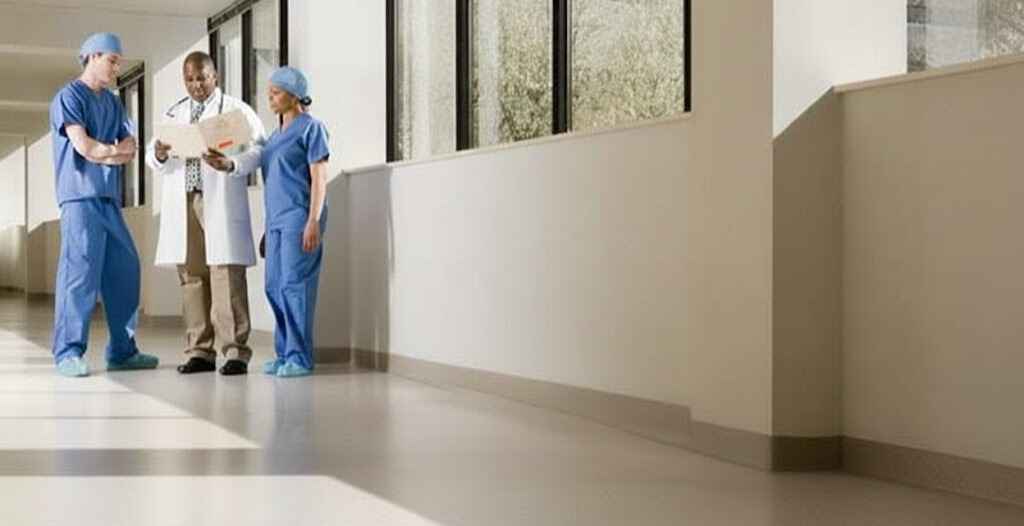
Modern hospitals are focusing more on sustainable and eco-friendly practices. Homogeneous vinyl flooring supports these goals in several ways:
By choosing homogeneous vinyl flooring, hospitals maintain hygiene and safety while also supporting greener and more sustainable healthcare practices.
Healthcare facility designers and hospital management experts often recommend homogeneous vinyl flooring because of its proven benefits. Studies show that hospitals with seamless vinyl flooring have lower levels of floor contamination compared to facilities using other flooring types.
The flooring adaptability is highly valued by experts. It can be installed in different hospital areas, including operating theaters, intensive care units, corridors and administrative spaces, ensuring consistent hygiene throughout the facility. In addition, the vinyl sheet resistance to wear and tear ensures that the initial investment provides long-term value. It remains durable and reliable for many years, making it a practical choice for hospitals.
Many hospitals use vinyl flooring to help prevent infections. Its hygiene, durability, safety and comfort make it a trusted choice for healthcare staff.
Homogeneous vinyl flooring works well in different hospital areas because of its flexibility and special features.
Its versatility allows hospitals to use the same flooring in different areas which makes maintenance easier and ensures consistent hygiene throughout the facility.
Homogeneous flooring is a great choice for hospitals. It is easy to clean, durable, resistant to chemicals and safe. It helps reduce the risk of infections and provides a comfortable, long-lasting floor for all hospital areas. Its practical and hygienic features make it a popular choice for modern healthcare facilities.
Longda Flooring is the largest homogeneous vinyl sheet flooring manufacturer in China. Currently 80% of the homogeneous flooring sales are for hospital & healthcare projects. And one of the biggest advantages is hygiene. It is seamless, fungicidal and antibacterial.
Answer: Homogeneous vinyl flooring is durable, seamless, and resistant to stains and chemicals. It is easy to clean, helps maintain hygiene and lowers the risk of infections compared to tiles, carpet or laminate.
Answer: Yes, homogeneous vinyl resists chemicals and cleaning agents such as bleach and alcohol based solutions which helps keep the surface durable and hygienic over time.
Answer: Absolutely, vinyl can have anti-slip surfaces which reduce the risk of falls. Its smooth and cushioned texture also makes it comfortable for staff who stand for long hours.
Answer: It is suitable for operating rooms, patient wards, corridors, laboratories, emergency rooms, washrooms and kitchens. Its durable and hygienic features make it useful in all hospital areas.
Answer: Yes. The initial cost may be higher, but its durability, low maintenance and resistance to wear make it a cost-effective flooring option in the long run.
Copy right by Longda China