
Laboratories are very demanding places where flooring plays an important role in safety, hygiene, and long-lasting performance. The floor must handle chemical exposure, heavy equipment movement, spills, and regular cleaning without losing strength or safety. If the wrong flooring is used, it can cause contamination, accidents, and expensive repairs. This is why laboratories need flooring that is strong, safe, and easy to maintain.
Homogeneous vinyl flooring has become one of the most reliable choices for laboratories. Its uniform structure from top to bottom gives stable performance for many years. It resists chemicals, protects the floor from spills, and stays safe even with frequent cleaning.
In this article, we will explain why homogeneous vinyl flooring is the best choice for laboratories. It offers strong chemical resistance, easy spill control, long-lasting durability, and high hygiene performance. These qualities make it a trusted option for healthcare, pharmaceutical, research, and educational labs.
Laboratories are unique spaces that place very high demands on flooring. Unlike offices, they face constant exposure to hazardous chemicals, liquids, and biological materials. The floor must handle spills, strong cleaning agents, and heavy traffic without losing strength or performance. Safety, hygiene, and durability are the most important requirements for laboratory flooring.
Chemical resistance is a key requirement for laboratory flooring. Labs often use acids, alkalis, solvents, and disinfectants that can harm regular floors. A floor that absorbs chemicals or wears out quickly can create safety risks and costly repairs. Homogeneous vinyl flooring resists most common lab chemicals, keeping its strength and appearance even after repeated exposure.
In addition to chemical resistance, laboratories require slip-resistant and easy-to-clean flooring. Floors are regularly washed and disinfected, and wet surfaces are common. Seamless installation and non-porous material prevent liquids from seeping in, reducing bacterial growth. Homogeneous vinyl flooring meets these standards while providing a stable surface for heavy equipment and frequent foot traffic.
Homogeneous vinyl flooring offers many advantages that make it ideal for laboratories. Its uniform structure ensures long-lasting durability and resistance to scratches, wear, and chemical damage. Even if the surface is scratched, the material underneath remains strong and reliable, making it perfect for high-traffic labs with rolling carts, machinery, and heavy equipment.
A major benefit is hygiene. The seamless and non-porous surface prevents liquids from seeping under the flooring. This makes cleaning and disinfection easier and more effective. Unlike tiles or layered flooring, homogeneous vinyl does not develop cracks or gaps over time, ensuring long-term safety and a professional appearance.
The flooring also enhances safety. Slip-resistant surfaces lower the risk of falls, while cushioning provides comfort for staff who stand or walk for long periods. This blend of durability, hygiene, and comfort makes homogeneous sheet vinyl a smart choice for laboratories.
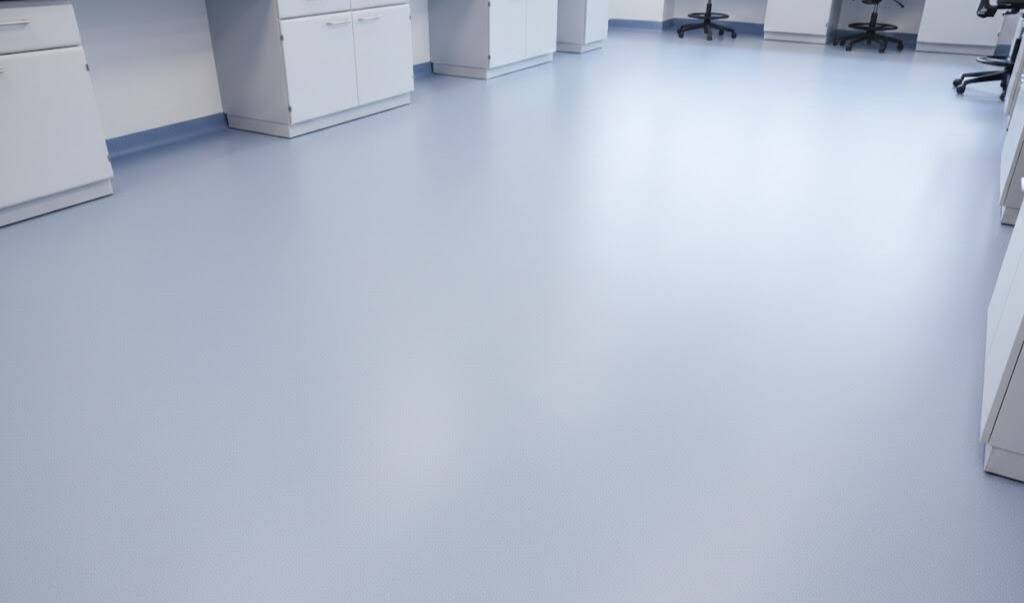
Homogeneous flooring offers many important benefits that make it ideal for laboratories, healthcare facilities, and busy workspaces. Its design ensures safety, durability, and easy maintenance, while providing long-term cost efficiency and a clean, professional appearance.
Proper installation is essential for getting the best performance from homogeneous vinyl flooring. It should be installed on a smooth, level subfloor to avoid uneven surfaces. Professional welding or sealing of joints creates a seamless finish, preventing liquid seepage and bacteria growth. Correct installation extends the life of the flooring, maintains safety standards, and ensures a professional look throughout the laboratory.
Seamless installation also improves hygiene and lowers maintenance needs. By removing gaps and cracks, cleaning is more effective, and the risk of contamination is reduced. Professional installation ensures the flooring remains reliable throughout its entire lifespan.
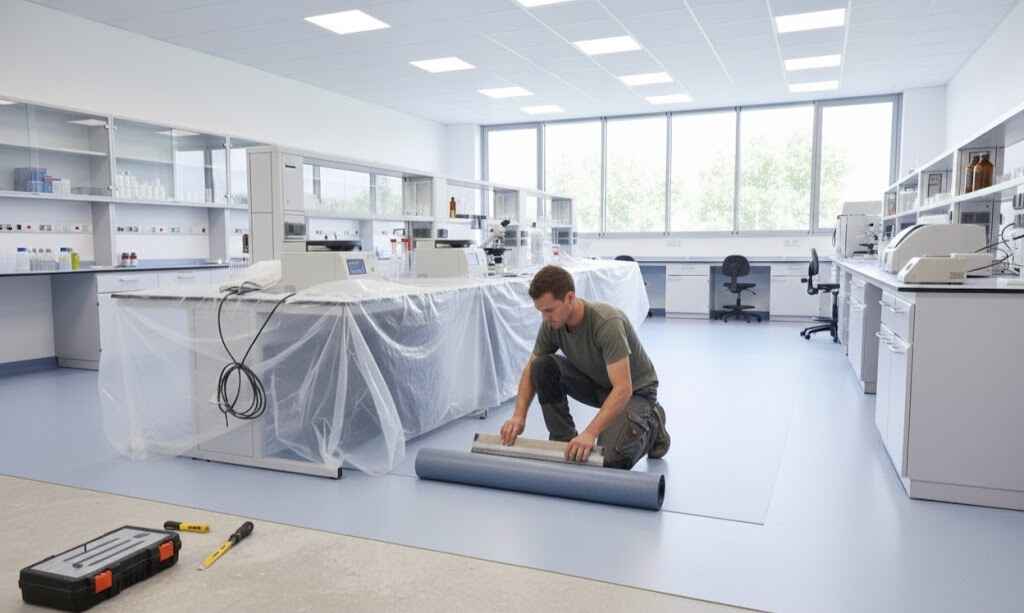
Safety and hygiene are essential in laboratory environments. Floors need to allow safe movement of staff and equipment while preventing contamination. Homogeneous vinyl flooring provides a slip-resistant and stable surface that helps reduce the risk of accidents even in areas prone to spills.
Regular spills of chemicals, water, or biological materials are common in laboratories. Floors that absorb liquids or lose traction can be dangerous. The non-porous surface of homogeneous vinyl keeps spills on top, allowing quick cleaning, reducing contamination, and supporting safety protocols.
In addition, the flooring is easy to disinfect, helping laboratories meet hygiene standards. Quick and effective cleaning reduces downtime and supports smooth operations while keeping the work environment safe and sterile.
Laboratories regularly handle hazardous chemicals like acids, alkalis, solvents, and disinfectants. Ordinary flooring can corrode, stain, or wear out when exposed to these substances. Homogeneous flooring resists chemical damage by maintaining strength and appearance even after repeated exposure.
Its non-porous surface keeps liquids on top for easy cleaning. This prevents contamination and damage while reducing the risk of slips or accidents. Laboratory staff can handle chemical spills safely as the flooring provides reliable protection.
Effective spill management also minimizes operational disruptions. Quick cleanup helps maintain experiments and daily work while keeping the laboratory safe and professional. These benefits make homogeneous flooring ideal for labs that handle strong chemicals.
Laboratories have heavy foot traffic and frequent movement of carts and equipment. Floors that cannot handle this stress may crack, dent, or wear unevenly, affecting safety and appearance. Homogeneous vinyl flooring is built for durability, offering a stable surface that supports heavy loads.
Homogeneous flooring has a uniform composition that distributes wear evenly, preventing small scratches from causing damage. Unlike layered flooring or tiles, it does not peel or discolor, keeping the floor looking professional for longer.
Its durability ensures that the floor maintains both strength and appearance, even in busy laboratory environments. This makes it a reliable choice for spaces that experience heavy traffic and constant use.
In the long run, homogeneous flooring reduces maintenance and replacement costs. Laboratories benefit from a practical, safe, and cost-effective floor that continues to perform well over time.
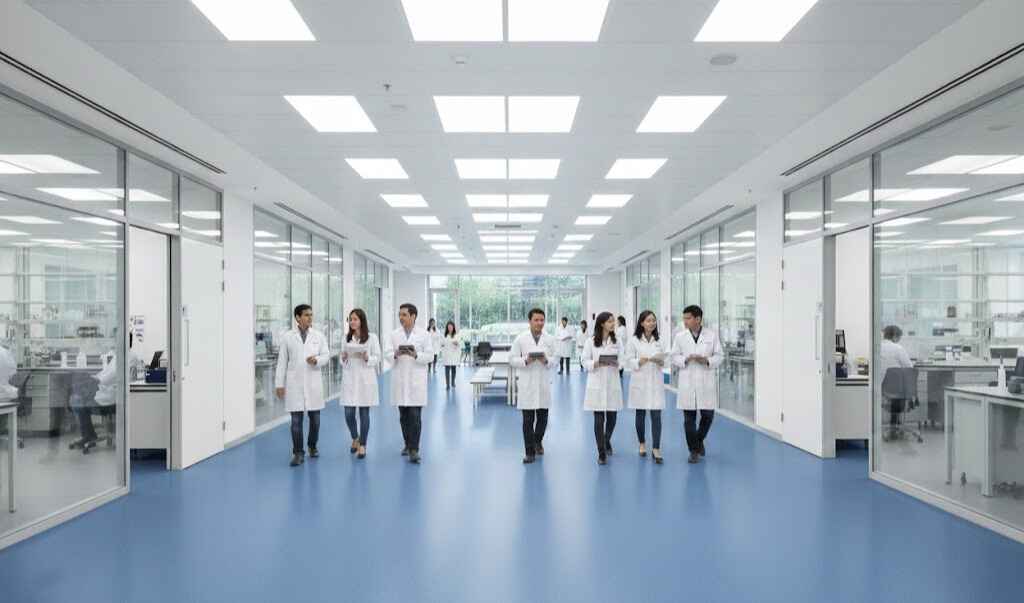
Slip resistance is essential in laboratories, where wet surfaces and chemical spills are common. Homogeneous flooring provides excellent grip and reduces the risk of accidents and falls. This creates a safer environment for staff and visitors.
Additionally, the flooring provides slight cushioning, improving comfort for staff who stand or walk for long periods. Comfortable flooring reduces fatigue and supports productivity throughout the workday. It also helps create a safer and more efficient working environment.
Its design also makes cleaning and maintenance easier, helping laboratories stay hygienic and organized. The seamless structure prevents liquids from seeping in, while slip resistance and durability ensure safety even during busy workdays. This combination of comfort, safety, and practicality makes homogeneous material a reliable choice for any laboratory environment.
Maintaining hygiene is vital in laboratories. Homogeneous vinyl flooring is non-porous, preventing liquids from being absorbed and reducing bacterial growth. Its seamless surface stops dirt and debris from collecting in joints or seams.
The flooring works well with standard laboratory cleaning agents and disinfectants, allowing thorough cleaning without damage. Spills can be cleaned quickly, minimizing downtime and keeping operations efficient.
Regular maintenance is easier because the flooring resists chemical and physical wear. Laboratories benefit from lower long-term costs and consistent hygiene with homogeneous vinyl flooring.
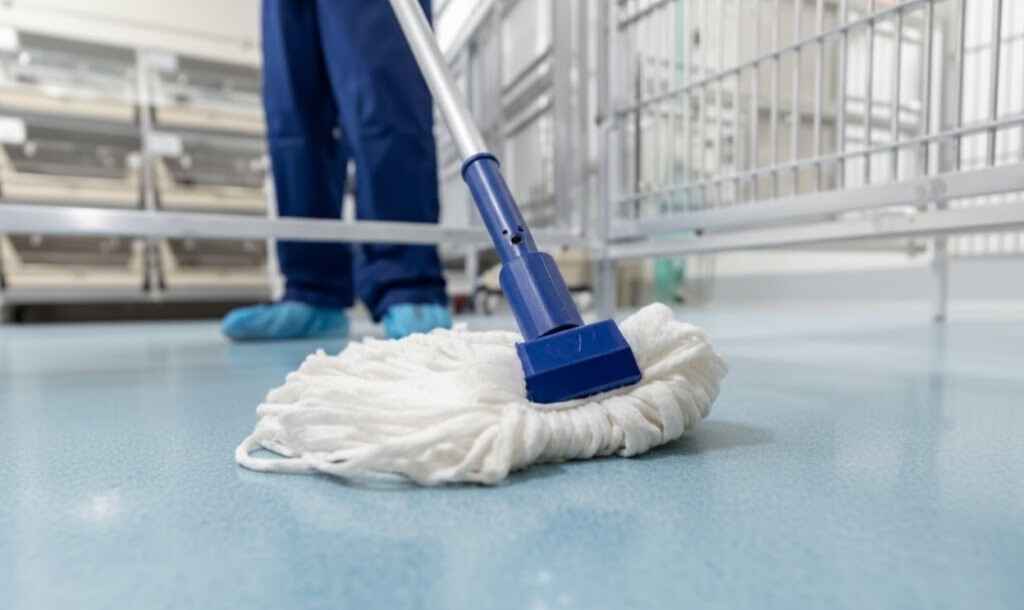
Proper installation ensures the best performance. The subfloor should be smooth and level, and joints should be professionally welded for a seamless finish. This prevents liquid seepage and limits bacterial growth.
Seamless installation improves hygiene and safety by removing gaps that can trap contaminants. Cleaning becomes more effective, and the risk of contamination is minimized, which is essential for high-standard laboratories.
Correct installation also prolongs the lifespan of the flooring. Homogeneous vinyl flooring retains durability, chemical resistance, and a professional appearance over years of heavy use while remaining a long-term investment for the laboratory.
Even though initial installation costs may be slightly higher than some alternatives, homogeneous vinyl flooring provides substantial long-term savings. Its durability reduces maintenance and replacement needs, cutting overall lifecycle costs.
The uniform appearance and performance of the flooring create a professional laboratory environment. Safe, hygienic, and reliable flooring supports compliance with standards, staff productivity, and efficient operations.
Long-term benefits include less downtime for repairs, improved safety, and consistent appearance. Laboratories can focus on research and operations without concerns about floor deterioration while using homogeneous vinyl as a practical and cost-effective choice.
Laboratory floors must endure chemicals as well as temperature changes, moisture, and humidity. Homogeneous vinyl flooring resists moisture, preventing warping, swelling, or microbial growth. It also handles temperature variations common in laboratories, staying stable under changing conditions.
This environmental resistance adds to the durability of the flooring. Laboratories benefit from a long-lasting surface that preserves safety, hygiene, and appearance for years, reducing maintenance requirements.
This table highlights the key differences between popular laboratory flooring options. Homogeneous vinyl stands out for its seamless installation, durability, and overall suitability for laboratory use.
Feature | Homogeneous Vinyl | Vinyl Tiles | Epoxy Coating | Rubber Floorring |
Chemical resistance | Excellent | Moderate | High | Low |
Seamless installation | Yes | No | Yes | Partial |
Slip resistance | Hight | Moderate | Moderate | Low |
Ease of cleaning | Very easy | Moderate | Easy | Moderate |
Durability | Excellent | Moderate | High | Moderate |
Cost efficiency | Long-term savings | Moderate | High | Low |
Appearance | Uniform, professional | Can wear unevenly | Smooth finish | Less uniform |
Homogeneous flooring is very strong and designed to last for many years. It resists chemicals, slips, and wear, which makes it an excellent choice for laboratories and other professional spaces. Its seamless and smooth surface is easy to clean, reduces the risk of contamination, and helps maintain a safe and hygienic environment.
This type of flooring can handle heavy foot traffic, frequent movement of equipment, and constant cleaning without losing its quality or appearance. It keeps the workspace looking professional and ensures that the flooring continues to perform well even in busy and demanding areas.
In addition, homogeneous flooring requires less maintenance and does not need frequent replacement. This helps save time and money while providing a safe, practical, and cost-effective solution. It is ideal for laboratories, healthcare facilities, and research centers, combining durability, hygiene, and efficiency in one choice.
Homogeneous vinyl flooring is perfect for laboratories where safety, hygiene, and durability are essential. Its seamless, non-porous surface resists chemicals, allows easy cleaning, and handles spills effectively. The flooring withstands heavy traffic and equipment use while keeping a professional appearance, making it a reliable, long-lasting choice for healthcare, research, and educational labs.
Besides safety and hygiene, homogeneous vinyl flooring offers long-term cost savings. Its durability, low maintenance, and consistent performance reduce overall lifecycle costs. Choosing this flooring helps laboratories maintain a safe, efficient, and professional environment that meets modern operational and regulatory standards.
Answer: It is recommended because it offers chemical resistance, durability, slip resistance, seamless design, and easy maintenance, making it ideal for hazardous and high-traffic laboratory environments.
Answer: Yes, Its non-porous surface stops liquids from penetrating and allows quick, easy cleanup of chemical spills without harming the floor.
Answer: Compared to epoxy, it is less likely to crack and easier to maintain. Compared to rubber, it offers better chemical resistance and durability while keeping a seamless, hygienic surface.
Answer: Yes, Its seamless, non-porous surface allows easy cleaning and disinfection and helps maintain strict laboratory hygiene standards.
Answer: Absolutely. Its long-lasting nature, easy maintenance, and resistance to chemicals and wear help save money and remain a cost-effective choice.
Copy right by Longda China