
Flooring problems can affect the appearance, cleanliness and everyday performance of a space. Issues such as surface wear, difficult cleaning, moisture exposure, damaged seams and marks from regular use can become more noticeable when the flooring is not suitable for its environment. Choosing the right flooring material from the start can help reduce these common concerns and make long-term floor care easier and more manageable.
Homogeneous vinyl flooring is made with a consistent material structure throughout its full thickness. Unlike flooring that relies on a separate surface wear layer, its material composition extends through the entire sheet, which can provide useful performance benefits in demanding areas. This construction makes it a practical option for facilities where durability, hygiene and easy maintenance are important.
In this article, we will explain how homogeneous vinyl flooring can help address several common flooring problems and why its construction matters in everyday use. We will also discuss its surface characteristics, resistance to moisture and chemicals, seam treatment, cleaning requirements and performance under regular traffic.
One important feature of homogeneous vinyl is its consistent structure. The flooring is made from the same material throughout its full thickness rather than having a separate decorative layer over a different base. This construction can be beneficial in areas with regular use because the flooring does not rely on a thin surface layer for its basic appearance.
With some flooring products, surface damage can become more noticeable as the upper layer wears down. Homogeneous vinyl sheet flooring uses a different construction because its material and colour pattern extend throughout the sheet. As a result, normal wear does not simply reveal a completely different material beneath the surface. This consistent structure does not mean the flooring cannot be damaged. Sharp objects, unsuitable equipment and excessive force can still affect any flooring material. However, its through-colour construction can help maintain a more consistent appearance as the flooring experiences everyday use. This makes its structure an important factor when considering long-term floor performance.
A smooth and sealed surface can help reduce the areas where dirt and contaminants may become trapped. Homogeneous vinyl sheet flooring is commonly produced with a non-porous surface, which can provide a practical advantage in areas where regular cleaning is an important part of floor management.
When a flooring surface is difficult to clean, small particles can remain in surface irregularities and make routine maintenance more demanding. A smooth surface allows cleaning equipment to move more consistently across the floor, making routine dirt removal more straightforward. This does not mean that every type of contamination can be removed using the same cleaning method. Cleaning products, dilution levels and equipment should still be selected according to the flooring manufacturer’s instructions. The main benefit is that the surface is designed to support practical cleaning without creating unnecessary obstacles during routine maintenance.
Moisture can cause problems for flooring when the material or installation is not suitable for areas where water exposure occurs. Water can affect vulnerable materials and may cause deterioration when it reaches areas that are difficult to dry or protect.
Homogeneous sheet vinyl offers moisture resistance that can be useful in environments where regular cleaning or occasional water exposure is expected. Its sheet format can also reduce the number of open joints across the floor compared with flooring installed using many separate pieces. However, moisture resistance does not mean protection from every installation-related problem. The subfloor, adhesive, installation method and seam treatment all play an important role. Proper installation is essential to achieve the intended performance of the flooring.
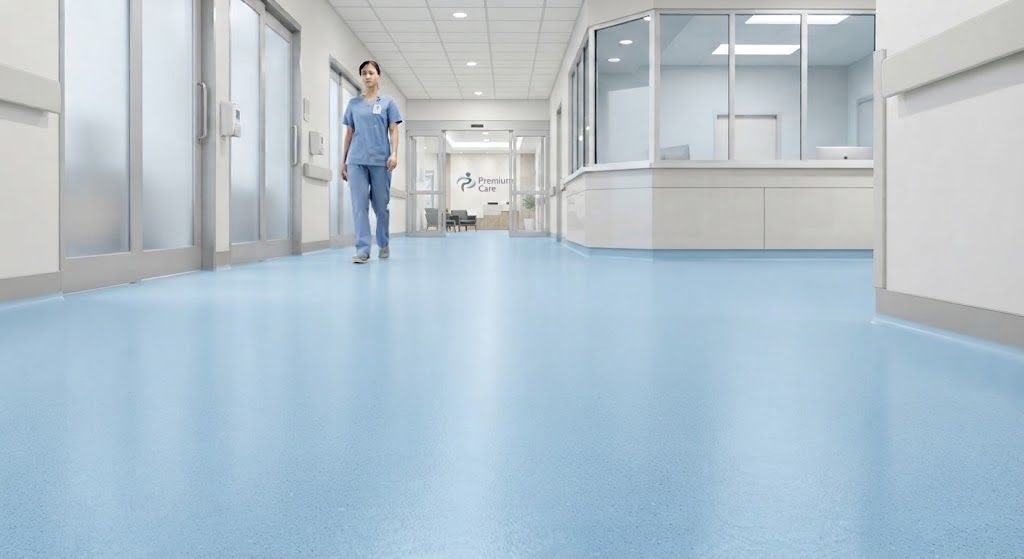
Seams are an important part of sheet flooring installation because poorly treated joints can collect dirt or allow moisture to enter beneath the flooring. Homogeneous vinyl flooring can use heat-welded seams to create a more continuous surface between adjacent sheets.
During heat welding, the edges of the vinyl sheets are joined with a compatible welding material using controlled heat. When done correctly, the seam becomes an integrated part of the flooring surface rather than remaining as an open joint.
This method can support hygiene and maintenance by reducing vulnerable gaps between sheets. Professional installation is still important because the quality of the finished seam depends on proper preparation, welding and finishing. A correctly completed seam can help create a cleaner and more continuous floor surface.
Durability does not depend on one feature alone. The material structure, thickness, installation quality, cleaning routine and level of use all affect how a floor performs over time.
Homogeneous vinyl sheet flooring is available in different thicknesses to meet various performance needs. For areas with demanding traffic, thicknesses around 3–4 mm may be considered, depending on the manufacturer’s product range and intended application.
A durable floor can help reduce the need for frequent replacement when it is properly selected and maintained. With suitable selection, installation and maintenance, homogeneous vinyl flooring can provide a long service life, depending on traffic levels, care and environmental conditions.
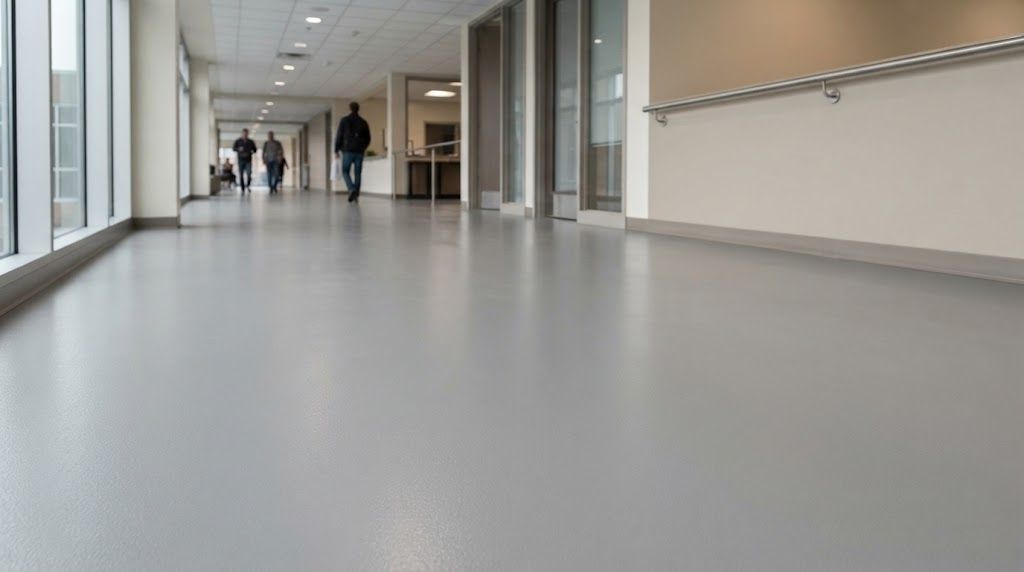
Homogeneous vinyl flooring has several features that can help address common flooring concerns in demanding environments. Each feature supports a different need, so understanding these differences can help buyers choose a more suitable flooring option.
The table below provides a simple comparison of common flooring concerns and the relevant characteristics of homogeneous vinyl sheet flooring.
Common Flooring Concern | Homogeneous Vinyl Flooring Characteristic | Practical Benefit |
Surface wear from regular use | Consistent material throughout the full thickness | Supports a more consistent appearance as the flooring experiences normal wear |
Difficult routine cleaning | Smooth, sealed and non-porous surface | Helps make regular dirt removal more manageable |
Moisture exposure | Moisture-resistant vinyl construction | Provides suitable resistance where regular moisture exposure is expected |
Open or vulnerable joints | Heat-welded seams | Creates a more continuous surface between adjoining sheets |
Repeated rolling movement | Durable sheet construction | Can support specified rolling loads when the correct product is selected |
Chemical exposure | Resistance to many suitable cleaning chemicals | Helps the surface withstand appropriate cleaning and disinfection practices |
Isolated damage | Potential for localized repair | May allow an affected section to be repaired instead of replacing a larger area |
Changing visual appearance | Range of colours and patterns | Gives buyers options for creating a suitable and consistent floor design |
These features show why homogeneous vinyl flooring can be considered when a single flooring system needs to meet different performance requirements. The most suitable choice still depends on the product specifications, installation conditions, expected use and manufacturer’s recommendations. Considering each requirement before purchase can help buyers select flooring that is better suited to the conditions it will experience throughout its service life.
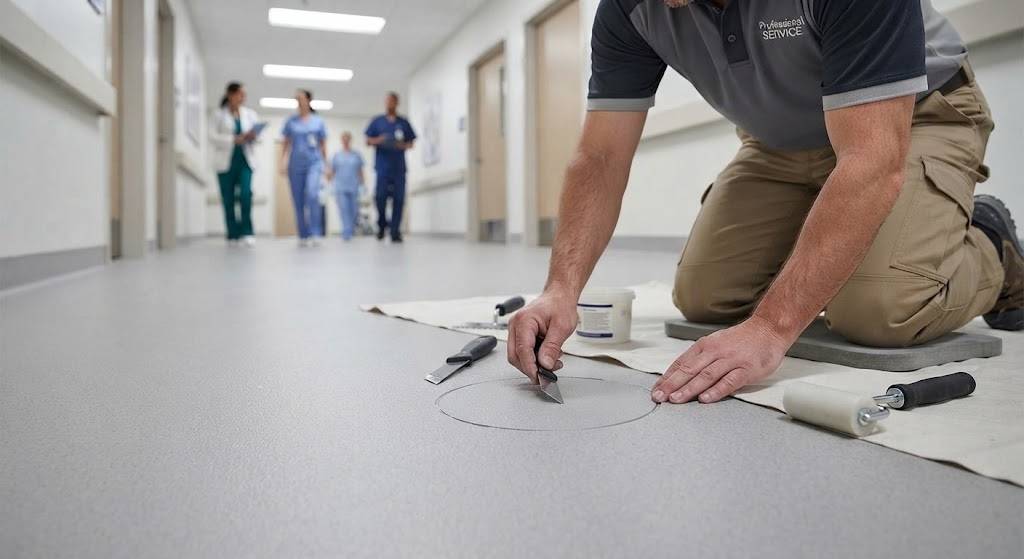
One practical advantage of homogeneous vinyl sheet flooring is that certain areas can be repaired without automatically replacing the entire floor. If a small section becomes seriously damaged, a matching piece of material can sometimes be used to replace the affected area. This can be useful when the damage is limited to one specific location.
Key factors include:
Localized repair can also help reduce disruption in areas that need to remain operational. Instead of removing a large section because of one isolated problem, a flooring professional can assess the affected area and determine whether a patch repair is suitable. The success of the repair depends on factors such as the size and depth of the damage, the availability of matching material and the quality of the installation.
Cleaning and maintenance often involve disinfectants and other chemical products. If a flooring material is not compatible with the chemicals used in its environment, repeated exposure can affect its surface appearance or performance.
Homogeneous vinyl sheet flooring can provide resistance to many chemicals and cleaning agents when they are used at suitable concentrations and according to the manufacturer’s guidance. This makes chemical compatibility an important feature in areas where regular cleaning and disinfection are required.
However, chemical resistance has limits. A stronger chemical is not always better for cleaning. Factors such as concentration, contact time and chemical type can affect the flooring. Using approved cleaning products and following recommended procedures can help protect the surface while maintaining effective cleaning.
The conditions around a floor can affect its long-term performance. Temperature changes, direct sunlight, humidity and the surrounding environment should all be considered when selecting a flooring product. A material that performs well in one setting may require different specifications in another.
Homogeneous vinyl sheet flooring should be selected based on the manufacturer’s stated performance limits and recommended applications. In areas exposed to strong sunlight, buyers should check whether the product is suitable for that level of exposure. This can help ensure that expectations remain within the product’s tested performance.
The condition of the surface beneath the flooring is also important during installation. Although the flooring provides the finished surface, the supporting base must meet the required conditions for the selected flooring system. Proper preparation can help create a stable foundation and support the expected performance of the finished floor.
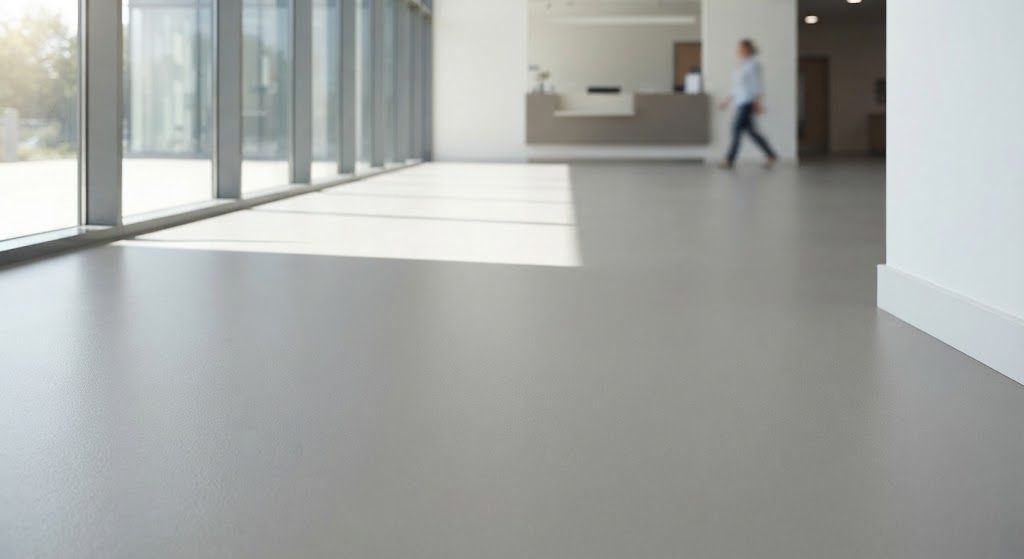
Homogeneous vinyl sheet flooring can be a practical choice for areas where durability, consistent performance and long-term use are important. Its full-thickness construction, flexible design options and potential for localized repair can help meet different flooring needs while making the overall flooring system easier to manage. When the right specification is selected and the flooring is installed and maintained according to professional recommendations, homogeneous vinyl flooring can provide reliable performance and help reduce the impact of common flooring concerns over time.
Longda Flooring is the largest vinyl sheet manufacturer in China. The superior advantage of homogeneous flooring makes a the trend for commercial applications.
Answer: Homogeneous vinyl sheet flooring is different because its material structure remains consistent throughout the full thickness of the sheet rather than relying on a separate decorative surface over another base material. Its colour and pattern can extend through the flooring, which can help maintain a consistent appearance during long-term use. The sheet format can also create a more continuous surface across larger areas with fewer individual joints. These features make it useful in environments where flooring needs to provide reliable daily performance while supporting hygiene and practical maintenance. However, actual performance depends on the product specification, installation method and conditions in which the flooring is used. Buyers should therefore review the manufacturer’s technical information to understand the capabilities and limitations of the specific product before making a selection.
Answer: Homogeneous vinyl sheet flooring can be suitable for areas with frequent use when the selected product is designed for the expected level of activity. Its consistent material structure can support regular foot traffic and repeated daily use, while the sheet construction provides a continuous flooring surface across larger areas. Actual performance depends on several factors, including traffic intensity, rolling loads, equipment used on the floor, installation quality and maintenance practices. Choosing the correct thickness and specification is therefore important when the flooring will experience demanding use. Buyers should carefully consider the expected conditions and check the manufacturer’s performance information to ensure the selected flooring is suitable for the specific application rather than assuming that every homogeneous vinyl product will perform in the same way.
Answer: Homogeneous vinyl flooring should be maintained through a regular and suitable cleaning programme based on the manufacturer’s recommendations. Routine cleaning helps remove dirt, dust and other particles before they remain on the surface for long periods, while suitable cleaning products can help maintain the flooring’s appearance and performance. The concentration and contact time of cleaning chemicals should also be controlled because stronger products or longer exposure do not always provide better results and may affect the flooring when used incorrectly. Suitable cleaning equipment should be selected based on the flooring requirements, and harsh cleaning methods that may cause unnecessary surface damage should be avoided. Regular maintenance, prompt attention to spills and proper use of cleaning products can all help keep the flooring in good condition throughout its expected service life.
Answer: Damaged homogeneous vinyl sheet flooring can sometimes be repaired locally when the problem is limited to a specific section and suitable replacement material is available. A qualified flooring professional should first inspect the damaged area to determine the type and extent of the problem and whether a localized repair is suitable. Factors such as the depth of the damage, the condition of the surrounding flooring and the availability of a suitable matching piece can affect the result. When a repair is practical, only the affected section may need to be removed and replaced instead of disturbing a larger area. This can help reduce disruption and preserve flooring that remains in good condition. The quality of the final repair depends on proper preparation, accurate fitting and professional installation.
Answer: Before choosing homogeneous vinyl flooring, buyers should look beyond appearance and consider the conditions in which the flooring will be installed and used. Important factors include expected traffic levels, rolling movement, moisture exposure, cleaning practices, chemical use, environmental conditions, product thickness and installation requirements. Buyers should also review the manufacturer’s technical documentation to understand the product’s tested performance and any limitations that may apply. The condition of the supporting surface should be checked before installation because proper preparation can affect the performance of the finished floor. It is also useful to understand the recommended cleaning and maintenance procedures before making a purchase. Considering all these factors together can help buyers select a product that is well suited to the intended application and capable of providing the expected performance over time.
Copy right by Longda China