
Flooring selection has a direct impact on long term maintenance cost, durability and performance of any building space. Many property owners focus only on installation cost, but they often ignore how much they will need to spend on repairs and upkeep over time. A poor flooring choice can result in frequent damage, higher labour costs and early replacement.
Homogeneous vinyl sheet flooring is widely used in modern construction because it offers strong durability, consistent structure, and low maintenance requirements. Its single layer composition allows it to perform well under heavy usage conditions while maintaining its appearance over time. This makes it a practical solution for spaces where long term performance and cost control are important.
In this article, we will explain how homogeneous vinyl flooring reduces long term maintenance costs through its strong structure and durable performance. We will also explore how its single layer design, low maintenance requirements and long service life help reduce repair and replacement expenses over time.
Homogeneous vinyl sheet is produced with a single layer structure, where the material remains consistent from top to bottom. This construction removes the chance of layer separation or internal weakness, which is often seen in multi-layer flooring systems. As a result, the flooring retains its strength even after long-term use in high demand environments.
The uniform structure ensures that wear and tear is not limited to only the surface. There are no hidden layers underneath that can degrade over time. Instead, the material stays consistent throughout its full thickness, which supports long term stability and reduces the risk of early damage. This structural benefit plays an important role in extending the overall lifespan of the flooring. This consistent composition also keeps maintenance needs low during its entire service life. Property owners experience fewer repair needs and reduced long term maintenance expenses, making it a cost effective option for both small scale and large scale projects.
In many buildings, flooring is exposed to heavy loads due to continuous foot traffic, movement of furniture and use of equipment. These conditions often cause early wear and structural damage in traditional flooring systems. Over time, this leads to costly repairs and frequent replacement needs.
Homogeneous vinyl flooring is engineered to withstand high load conditions without losing its shape or strength. Its dense and uniform structure helps distribute pressure evenly across the surface, which prevents localized damage and deformation. This ensures that the flooring stays stable even in areas with heavy traffic.
Due to its strong load bearing capacity, the flooring needs fewer repairs and continues to perform effectively for a longer period. This helps reduce maintenance costs significantly and makes it a reliable choice for environments where durability is highly important.
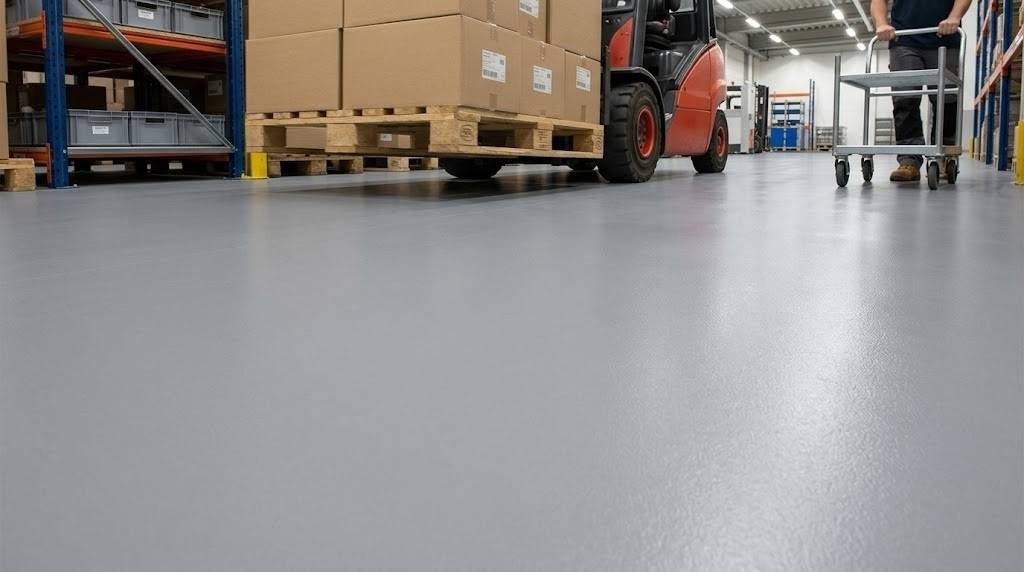
Surface damage is one of the most common factors that increases maintenance costs in flooring systems. Scratches, stains, and abrasion marks often require polishing, resurfacing, or partial replacement, which raises long term expenses. In high traffic environments, this problem becomes even more frequent.
Homogeneous vinyl provides strong surface durability due to its uniform material structure. Since the surface and inner core are the same material, minor surface wear does not affect the overall quality of the flooring. This reduces the need for frequent surface treatments or repair work.
As a result, maintenance teams spend less time on restoration tasks, while organizations save on labour and material costs. This consistent surface performance plays an important role in reducing long term maintenance expenses.
Fire safety is an important factor in flooring selection, especially in commercial spaces where safety standards must be strictly followed. Some flooring materials can contribute to faster fire spread or release harmful emissions when exposed to high temperatures.
Homogeneous vinyl flooring is designed with improved fire resistance properties that help slow the spread of flames. This enhances overall building safety and reduces the risk of rapid fire damage in critical situations.
Main benefits include:
Because of these safety features, long term financial risk is reduced, including repair costs, insurance related expenses and emergency restoration work.
Cleaning and daily maintenance have a major impact on the overall cost of flooring over time. Some materials require special cleaning products, polishing equipment, or professional maintenance services, which increases operational expenses.
Homogeneous vinyl sheet flooring supports an easy and efficient cleaning process that does not depend on complex tools or costly chemicals. Simple cleaning methods, such as sweeping and mopping, are enough to maintain its appearance and hygiene standards.
This ease of maintenance reduces cleaning time and labour requirements, which directly helps in lowering overall maintenance costs. Over the long term, this simple upkeep process delivers consistent savings and improves operational efficiency.
Frequent replacement of flooring is one of the main reasons for high long term costs. When flooring materials wear out quickly, organizations are forced to invest again and again in new installations, which increases both material and labour expenses.
Homogeneous vinyl sheet flooring provides a much longer service life due to its strong structure and resistance to wear. It stays functional and stable for many years without significant deterioration, even in areas with heavy usage. This longer lifespan reduces the need for frequent replacement cycles, helping property owners save a large amount of money over time. It also reduces disruption caused by renovation or installation work.
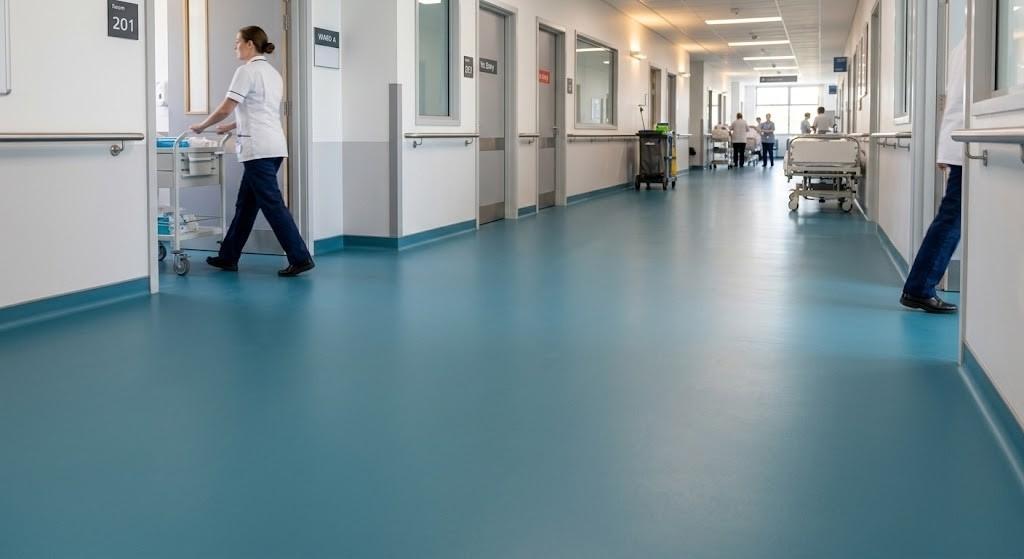
Moisture damage is a common problem in many flooring systems, often causing swelling, weakening and long term deterioration. Once moisture enters the material, repair costs can increase significantly.
Homogeneous vinyl provides strong resistance to moisture penetration due to its dense structure. It does not easily absorb water, which helps maintain its stability even in environments with frequent moisture exposure.
This resistance reduces the risk of structural damage and lowers maintenance needs, ensuring long term cost savings and improved durability.
Homogeneous vinyl flooring provides strong resistance to chemical exposure, which is an important factor in preserving long term surface quality. In many environments, cleaning agents, spills, and chemical contact can gradually damage flooring surfaces, leading to discoloration or surface weakening.
This flooring resists chemical reactions due to its dense and uniform structure. It prevents substances from penetrating deep into the material, which helps maintain its original appearance and structure over a long period. Regular cleaning does not harm the surface, which supports long term durability.
Over time, this chemical resistance reduces the need for resurfacing or replacement work. It also allows the safe use of standard cleaning products without increasing maintenance costs, making it a cost efficient option for long term use.
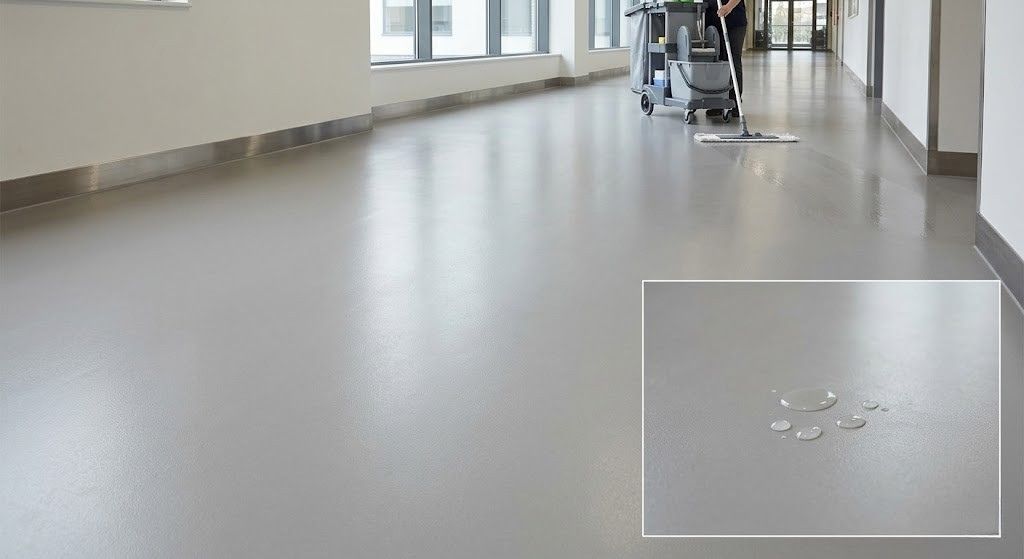
Homogeneous vinyl helps reduce noise levels caused by movement, which is an important benefit in busy environments. Hard flooring materials often produce sound reflections and impact noise that can reduce comfort and productivity. This flooring absorbs sound impact due to its flexible yet dense structure. It reduces noise created by walking, equipment movement and daily activities. This helps create a more controlled and comfortable environment without the need for additional soundproofing systems.
Key advantages include
Due to these benefits, organizations can save money on additional acoustic treatments and long term maintenance modifications.
Homogeneous vinyl flooring can deliver strong long term cost efficiency when it is selected and used in suitable conditions. Although the initial investment may be similar to other flooring options, the overall lifecycle cost can often be lower due to reduced maintenance, repair and replacement requirements.
Its durability, long service life, and low maintenance needs can provide financial advantages over time, especially in properly designed and correctly installed projects. Property owners may benefit from more predictable maintenance planning and fewer unexpected expenses in such environments. This makes it a practical option for projects that focus on cost control and operational efficiency, depending on usage conditions and installation quality.
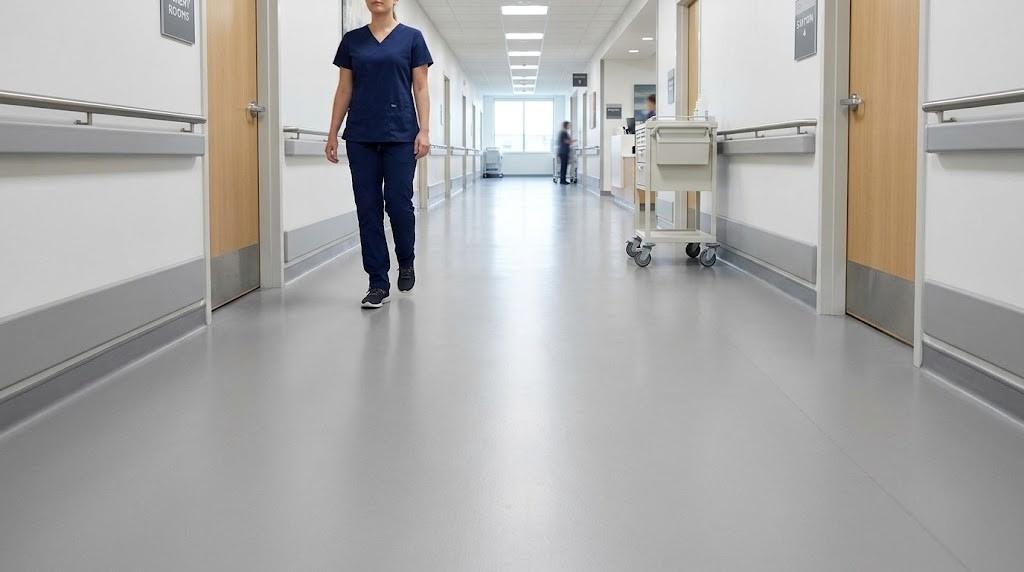
Homogeneous vinyl flooring is a smart long term investment because it helps reduce maintenance costs while providing strong durability and consistent performance over many years. Its uniform structure allows it to resist daily wear, environmental stress, and surface damage, which reduces the need for frequent repairs or replacements. This stability helps property owners avoid unexpected maintenance expenses, making budgeting more simple and predictable. Its easy cleaning requirements and long service life also lower operational costs, allowing organizations to save a significant amount of money over time while maintaining a clean and reliable flooring surface.
Longda Flooring is the largest homogeneous vinyl sheet flooring manufacturer in China. The rapid growth of the sales is comes from the ouotstanding advantage of the flooring and maintenance too.
Answer: Homogeneous vinyl sheet flooring is highly cost effective in the long term because it is designed to provide durability, stability and consistent performance over many years without frequent maintenance or replacement. Its single layer construction keeps the material uniform throughout its structure, which prevents internal weakening or separation commonly seen in traditional flooring systems. This means that even after years of continuous use, the flooring maintains its strength and does not develop serious damage that requires costly repair work. As a result, property owners can reduce long term expenses related to maintenance, labour and material replacement. Over time, this leads to a lower total cost of ownership, making it a financially smart investment for commercial and residential projects where budget control and long term performance are important priorities.
Answer: Homogeneous vinyl flooring reduces maintenance and repair requirements mainly because of its strong structural integrity and resistance to everyday wear and tear. Unlike layered flooring materials that tend to weaken from specific points, this flooring maintains uniform strength across its entire surface, which helps prevent cracks, peeling or deep surface damage. Even in high usage environments, it performs consistently without requiring frequent repair work or restoration. Its surface is also designed to resist scratches, stains and general abrasion, which further reduces the need for maintenance interventions. Because damage does not easily spread or worsen, maintenance teams are not required to perform regular intensive repairs. This leads to a major reduction in labour costs, material expenses and downtime associated with flooring maintenance, making it a highly efficient option for long term use in busy environments.
Answer: Yes, homogeneous vinyl sheet flooring is highly suitable for high traffic areas because it is designed to withstand continuous movement, heavy usage and constant pressure without losing its structural quality. In places where foot traffic is extremely high, such as commercial spaces, institutions such as schools and hospitals or public facilities, flooring materials are often exposed to rapid wear and damage. However, this flooring distributes pressure evenly across its surface, which prevents localized stress points that usually lead to cracks or deformation. Its dense and uniform structure ensures that even under heavy load conditions, the flooring remains stable, safe and visually consistent. This long term resilience reduces the frequency of repairs and replacements, which ultimately lowers maintenance costs. It also ensures that the flooring maintains its appearance and functionality for many years, making it a reliable choice for demanding environments.
Answer: This flooring is easier to maintain because it removes the need for complex maintenance procedures and expensive upkeep materials that are often required in other flooring systems. Its surface is designed to resist dirt accumulation, stains and moisture absorption, which means regular cleaning is usually enough to keep it in good condition. Simple cleaning practices such as sweeping and mopping are sufficient and there is no need for specialized chemicals, polishing treatments or professional maintenance services. In addition, the flooring maintains its appearance for a long time without fading or surface degradation, which further reduces the need for restoration work. This simplicity in maintenance not only saves time but also reduces labour costs and long term operational expenses, making it a practical solution for spaces that require consistent cleanliness with minimal effort.
Answer: Yes, homogeneous vinyl flooring provides excellent long term durability benefits due to its strong, uniform composition and ability to withstand various environmental and physical stresses over time. It is designed to resist moisture, heavy loads, surface wear and temperature variations without losing its structural integrity. This means that the flooring continues to perform effectively even after years of continuous usage in demanding conditions. Unlike traditional materials that may require frequent replacement or repair due to degradation, this flooring maintains its quality and stability for a much longer period. This extended lifespan leads to big lifecycle cost savings and ensures long term financial benefits for property owners. Its durability also minimizes disruption caused by maintenance or replacement work, making it a dependable and cost efficient flooring solution for long term applications.
Copy right by Longda China